
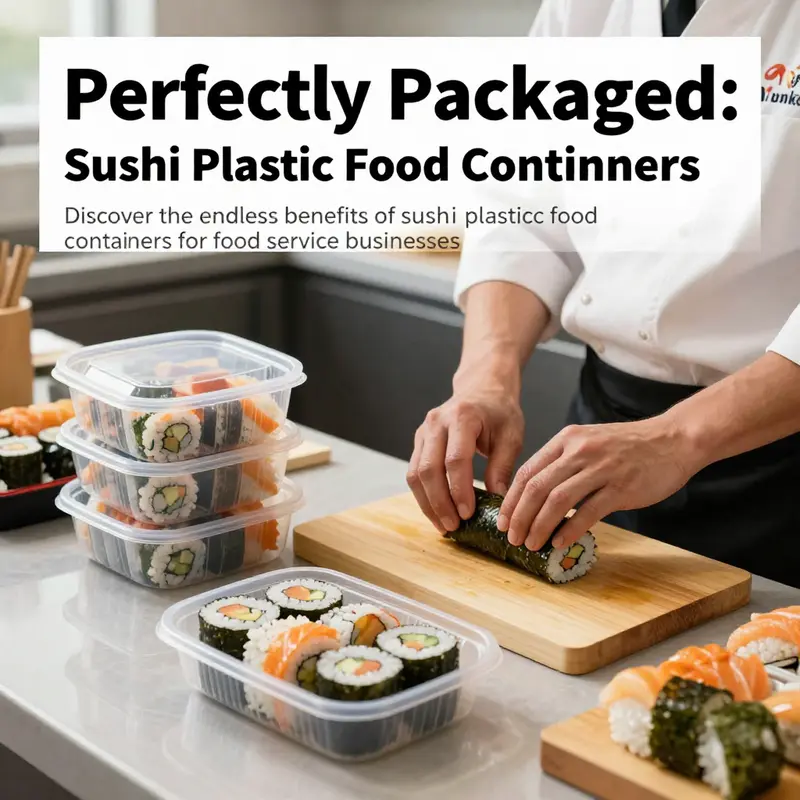
Sushi plastic food containers are an essential tool for restaurants, food trucks, and catering services, offering a perfect blend of convenience, safety, and functionality. These containers not only provide secure packaging solutions but also enhance the presentation of sushi dishes, ensuring they arrive fresh and intact. Within this article, we will delve into the essential features that make these containers a must-have, explore the materials used in their production, examine market pricing and availability, and finally, discuss the environmental impacts associated with their usage. Each chapter highlights how these elements contribute to optimizing food service operations while meeting customer expectations and sustainability goals.
Clear, Contained, and Convenient: The Functional Architecture of Sushi Plastic Food Containers
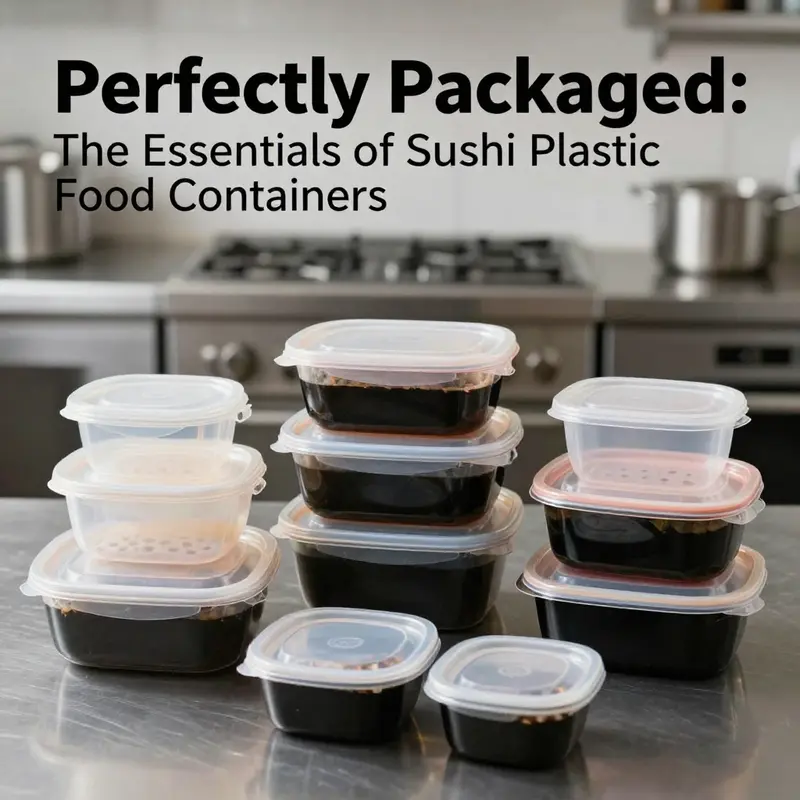
The act of packaging sushi is more than wrapping food; it is engineering a small, portable stage where color, texture, and aroma can linger a little longer and travel a little farther. The plastic containers used for sushi harness a deliberate fusion of materials, geometry, and lid technology to balance freshness, presentation, and practicality. They are designed to meet real world demands such as high throughput takeout, careful handling during delivery, compact storage in crowded refrigerators, and a consumer experience that feels seamless from the moment a box is opened. This is not merely a case for the food; it is a carefully composed interface between the chefs craft and the diners expectation. In that light, the functional features of these containers reveal themselves as a cohesive system, each element supporting the others to preserve texture, prevent leakage, and keep flavors from clashing while still presenting the sushi in a way that is appetizing and accessible.
Airtight sealing lies at the heart of the design logic. Many sushi containers use secure, leak-proof lids that form a tight seal against air and moisture ingress. In practice, this means the rice maintains its bite rather than drying out, and delicate ingredients such as raw fish remain plump rather than softened by evaporation. The interplay between a well-sealed lid and a rigid bottom tray helps slow the rate at which the product loses aroma and moisture, extending perceived freshness during short transit times. Yet the sealing system is not merely about keeping things in; it is also about keeping things out. When condensation forms inside a lid, it can obscure the view of the contents and alter the perception of freshness. For that reason, designers have incorporated lid geometries and venting options that minimize fogging while preserving a robust barrier against humidity. The choice of materials supports this function as well; a high-quality, impact-resistant plastic can tolerate repeated opening and closing without deforming, preserving the integrity of the seal over many cycles.
The visual appeal of sushi, with its precise arrangement of colors and shapes, benefits from a transparent, high-clarity plastic. Clear polymers allow the consumer to quickly identify the assortment inside the container. This visibility is not merely aesthetic; it reduces handling and unnecessary exposure, which supports hygiene by limiting the number of times the food is touched. The clarity of the plastic also contributes to trust. A container that looks cloudy or stained from soy sauce can undermine confidence in the product s freshness, even if the contents are perfectly fine. The use of rigid, clear plastics ensures that the presentation remains as faithful as possible from packaging to plate. At the same time, the material must resist the kinds of staining and odor absorption common to seafood and sauces. Odor and stain resistance hinges on both the chemical resistance of the polymer and the ease of cleaning after use. In day to day operations, a container that can be washed thoroughly without retaining residual odors helps maintain consistent quality across a restaurant s entire takeout fleet.
Inside the lid, designers often borrow from the traditional bento box idea by layering multiple compartments. This feature is not only about aesthetics; it is a practical means to keep flavors distinct and prevent cross-contamination. A modular interior with divided sections lets spicy tuna contrast with cucumber rolls, while a separate space can cradle soy sauce cups or pickled ginger without contaminating the main contents. The compartments also provide a predictable structure for packing, enabling staff to arrange a variety of items quickly and consistently. For customers, the segmentation makes it easier to portion and transport a balanced meal, preserving the arrangement that diners anticipate when they order sushi for delivery or takeout. The compartment system can be integrated with moisture management strategies—dividers that are tall enough to guide condensation away from delicate edges, or slightly curved walls that help guide any excess liquid into a low-spot region rather than onto the sushi itself.
In addition to segmentation, the containers are designed to be stackable and space-efficient. This is not merely a matter of convenience; it is a logistical necessity for high-volume environments. The ability to nest empty containers within each other reduces the space required in refrigerators, coolers, and during transport. When full, a modular design allows for stable stacking, minimizing the risk of toppling during transit. The geometric efficiency of these boxes translates into tangible benefits: fewer boxes in circulation, lower shipping weight per unit, and better utilization of cold-chain space. The end result is a system that sustains freshness while also reducing waste, because the more efficiently the containers ship and store, the less energy is wasted in unnecessary handling.
Temperature tolerance is another crucial pillar of functional design. The plastic chosen for sushi packaging varies in its response to heat and cold, and the best options offer compatibility with common food-service workflows. Some versions are rated for microwave use, allowing a quick reheat for customers who prefer warm sushi, while others are approved for freezing to extend shelf life when needed. The phrase where rated matters here a container may perform perfectly when heated in a microwave, but only if the lid and seals are explicitly labeled as microwave safe. Likewise, freezer-grade plastics must resist cracking or warping when subjected to cold storage. This attention to temperature performance makes the containers robust across the full cycle of handling from kitchen to customer to home pantry, sometimes reducing the need for switching between container types as menus and service styles evolve.
Maintenance and durability are not afterthoughts; they underpin the reuse potential of these containers. Modern sushi packaging emphasizes resistance to oils, soy sauce, and other ingredients that can embed themselves in plastics. A well-chosen material will resist odor uptake, making repeated washing more predictable and less punishing to the wallet over time. The lighter weight of plastic compared with glass or ceramic is not just a convenience; it reduces the physical strain on staff during packing and reduces the energy consumed in transport. Yet, because misuse or overuse can lead to scratches or micro-structural damage, responsible operators emphasize careful cleaning and proper reuse protocols. When used repeatedly, the container s ribs, walls, and seams must withstand repeated exposure to hot water, detergents, and varying temperatures without losing their seal integrity or clarity. In this way, the physical resilience of the container becomes directly linked to sanitation outcomes, because a box that remains intact is less likely to harbor residues or harbor microbial growth in cracks or crevices.
From a safety and regulatory angle, these containers are designed to meet food-contact standards that vary by region. The core requirement is that the polymer be safe for contact with food under typical conditions of use. In practice this translates into choosing materials with proven performance in the presence of moisture, oils, and acids found in food, plus a predictable response to cleaning agents and heat. The design language follows a simple but critical principle: packaging should protect the food without altering its safety profile. The lids, seals, and interior surfaces are chosen to minimize crevices where residues could accumulate, and to allow rapid evacuation of any liquid that might seep into unexpected corners. The result is a system that supports both operational efficiency and consumer confidence, enabling sushi brands to offer convenient takeout while upholding a standard of hygiene that underpins the dining experience.
The economics of these containers also reflect a balancing act between performance and cost. Bulk orders can bring unit prices down significantly, which is a practical consideration for restaurants and suppliers alike. At scale, the choice of materials and the complexity of the interior geometry must justify the incremental cost through improved shelf life, reduced breakage, and easier handling. A well-designed container pays for itself by reducing waste, limiting sogginess, and preserving presentation, which translates into fewer complaints and a stronger brand impression at the moment of opening the box. This is particularly important in a crowded takeout market where every detail—from the snap of the lid to the crisp edge of a cucumber roll—contributes to the customer s overall perception of quality.
To bring the reader back to the practicalities of daily use, the chapter emphasizes how the functional features converge in real-world scenarios. A restaurant might choose a straightforward, rectangular bottom tray with a transparent lid, optimizing for compact packing and fast turnover. A higher-end operation could favor a more segmented interior that keeps different sushi varieties distinctly separated, with an anti-fog lid to preserve visibility on crowded lines during service. In both cases, the container is more than a dispassionate vessel; it is a carefully tuned part of the service ecosystem, designed to protect texture, preserve aroma, and present the food in a way that appeals to the senses before the first bite.
For readers curious about alternatives or broader considerations, consider the environmental dimension of packaging choices. While plastic sushi containers excel in durability and presentation, many operators also explore recyclable or compostable options for other categories of takeout. One can appreciate how the packaging ecosystem evolves when comparing the performance of a clear, rigid plastic box with the versatility of eco-friendly paper-based bowls designed for hot and cold foods. This broader view highlights the trade-offs between recycling infrastructure, consumer behavior, and the demands of fast-service environments. It also invites a conversation about how packaging design can support sustainability while maintaining the standards of freshness and ease of use that diners expect. If you want to explore a related packaging option that emphasizes eco-friendly design, you can refer to a case study of kraft paper bowls with lids, which illustrates how a family of containers can be styled to coordinate with the same service goals in a different material universe.
The conversation about plastic sushi containers would be incomplete without acknowledging the role of materials science in shaping what is possible at the counter. The chemistry of the plastics used, whether the resin system emphasizes clarity, rigidity, or chemical resistance, determines how cleanly the interior surfaces shed sauces and oils during washing, how easily the lids seal against leaks, and how well the whole system stands up to temperature fluctuations. In practice engineers specify materials that strike a balance among transparency, stiffness, heat resistance, and chemical compatibility with common sushi ingredients. The goal is to create a container that is not merely a barrier but a trustworthy partner in the food service chain capable of preserving the integrity of the product from the moment it leaves the kitchen until it reaches the consumer s plate.
As the chapter closes, it becomes clear that the functional features of sushi plastic food containers are inseparable from the broader systems in which they operate. They are designed to be clear enough to tempt a shopper with color and composition, sealed enough to protect freshness, compartmentalized enough to preserve the individuality of each item, and durable enough to survive the rigors of fast service, transport, and reuse. They must be compatible with microwaves and freezers when required, resist odors and stains over repeated cleanings, and fit into a logistics framework that values space efficiency as much as presentation. In short these containers embody a practical philosophy; they are built not only to carry sushi but to carry its story from the chef s artistry to the diner s delighted unboxing. For readers seeking alternative packaging approaches that align with sustainability goals, the linked kraft-paper option provides a tangible counterpoint to plastic while still illustrating how packaging design can be harmonized with the service model. External resource for deeper material specifications can be found here: https://www.eastman.com/products/tritan
Clear, Lightweight, and Safe: The Material Foundations of Sushi Plastic Food Containers
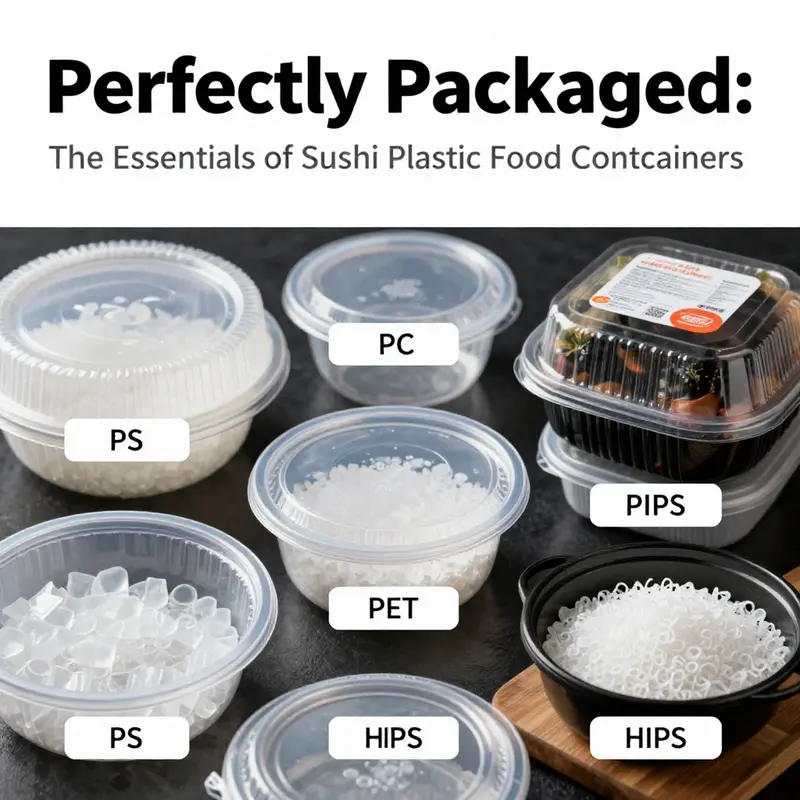
The containers that cradle sushi, hand rolls, and delicate garnishes do more than hold food. They embody a careful balance of chemistry, engineering, and practical design that protects freshness, preserves texture, and presents a clean, appetizing image from kitchen to consumer. The chapter that follows examines the materials most commonly used in sushi plastic food containers, not as isolated curiosities, but as the core determinants of safety, performance, and lifecycle. In this context, the material choice is not just about what sits in the box; it is about how the box interacts with light, moisture, temperature, and even the way the product is perceived by a diner. The aim is to trace how plastics such as polystyrene, polypropylene, and PET are selected and engineered to meet stringent food-contact requirements while supporting efficient production, easy disposal, and appealing presentation. Each material contributes its own signature properties to the final package, and these properties often guide a container’s shape, thickness, stiffness, and surface finish. The overarching story is one of a careful trade-off: lightness versus durability, clarity versus heat resistance, and the need to keep sushi pristine without sacrificing recyclability or cost efficiency. As consumers increasingly seek packaging that is both practical and mindful of the environment, suppliers emphasize materials that can deliver clear visibility of the content, resist moisture and staining, and remain robust under the chill of refrigeration and the occasional heat exposure during brief microwaving or hot holding. In short, the material toolkit behind sushi containers is designed to keep flavor intact while delivering reliability in fast-paced service settings. The choices reflect not only technical capability but also a sensitivity to regulatory compliance and consumer trust. The plastics used in sushi containers must not leach harmful substances or alter taste, and they must perform under the chill of refrigeration and the occasional heat exposure during brief microwaving or hot holding. In short, the material toolkit behind sushi containers is designed to keep flavor intact while delivering reliability in fast-paced service settings. The dialogue around these materials also recognizes the environmental and economic dimensions of packaging: weight, recyclability, and the ability to withstand repeated freezes or short departures to a customer’s home without compromising the sensory experience of the sushi inside. With this larger frame in view, the discussion turns to the three dominant families of plastics—polystyrene, polypropylene, and PET—and explains how each contributes its distinctive strengths to the world of sushi packaging, from the moment a tray is molded to the instant a lid is snapped shut. Through this lens, anti-fog lids become more than a convenience; they are a design response to the need for visible freshness in cold cases and refrigerated shelves. Drainage or vent features, when present, address a practical concern in takeout contexts: sauces that otherwise cling to the product can create soggy edges or a less appealing texture if not managed. The careful shaping of corners and edges—curved bottoms, rounded rims, and smooth surfaces—also reduces the risk of liquid pooling and simplifies cleaning in high-volume operations. Each feature is anchored in a material choice. PS, PP, and PET each respond to these design cues in different ways: rigidity and gloss in PS can mirror the pristine, glass-like presentation of the contents; PP can tolerate higher temperatures and rough handling, making it a preferred option for containers intended to be microwaved or reused in some contexts; PET provides clarity and moisture resistance that helps preserve the visual appeal of the sushi, especially when containers sit in damp fridge drawers awaiting pickup. Taken together, these properties shape the overall consumer impression. A plastic tray that remains clear and free of fog off the display case can entice a buyer to choose a particular item, while a container that resists cracking under pressure can withstand the realities of transit and stacking in busy kitchens. Another practical dimension is the environmental and regulatory landscape that governs food-contact materials. The materials must comply with international safety standards to ensure that, even after a period of storage, no toxic substances migrate into food. Labeling and certification remain essential, with practical implications for vendors who source in bulk and for restaurants that aim to minimize liability while preserving quality. This is not merely a matter of meeting a checklist; it is about building trust with customers who place a premium on safety and on the consistent appearance of their meals. The nuanced differences among PS, PP, and PET also influence the decisions about recycling programs and end-of-life handling. Polystyrene, particularly in its standard rigid form, has historically drawn attention for its environmental footprint, though it is compatible with certain recycling streams and can be sterilized for reuse in some markets. Polypropylene is widely considered more recyclable in many regions and is often preferred for microwave-safe containers, offering a balance of toughness and lightness that aligns with ongoing efforts to reduce waste. PET provides excellent clarity and strong barrier properties against moisture, two features that enhance presentation, but the recyclability of PET hinges on the availability of appropriate facilities and consumer participation in recycling programs. Packaging designers and manufacturers continually evaluate life-cycle analyses to determine the appropriate mix of materials for a given application, weighing performance, cost, and environmental impact. Beyond material properties, the physical design of sushi containers embodies a philosophy of minimalism and efficiency. Shapes vary—from rectangular and square to triangular trays—each chosen to optimize portioning, stacking, and transport. Exact dimensions, such as compact lids and bottom trays designed to nest and minimize space during shipping, reflect a broader objective: to maximize throughput in kitchens and reduce handling time for drivers. In the most effective configurations, functional features align with material performance. Anti-fog lids exploit PET’s clarity or complement PS’s rigidity to maintain visibility even when condensation would normally obscure the contents. Drainage holes or vents leverage the weaker points in a container’s geometry to relieve internal pressure and liquid buildup without compromising the integrity of the sushi itself. The result is a package that not only preserves the product but also communicates quality to the shopper at a glance. The conversation around materials is also a gateway to considering the broader packaging ecosystem. While the focus here remains on plastic containers for sushi, it is instructive to look at the options that exist in the market for readers seeking environmental alternatives. For readers interested in alternatives to plastic, disposable-octagonal-box-restaurant-food-kraft-paper-packaging offers a contrasting approach that prioritizes recyclable paper-based packaging and a different lifecycle profile. This reference point helps illuminate how material choice influences not only the sensory experience of the food but also the sustainability narrative presented to customers and stakeholders. In the end, the material choices for sushi containers are a blend of science, engineering, and pragmatism. The polymer families—polystyrene, polypropylene, and PET—each offer a distinct set of advantages that align with the needs of cold-chain transport, meticulous food presentation, and the demands of high-volume service. The materials deliver the required rigidity or flexibility, optical clarity, moisture management, and heat tolerance that together create a reliable, visually appealing, and safe packaging solution. They also intersect with regulatory expectations and recycling realities that shape procurement decisions and end-of-life strategies. The outcome is a packaging system that helps keep sushi’s delicate textures intact, ensures the product looks fresh on display, and maintains integrity from kitchen to customer’s table. To support ongoing quality and safety, many manufacturers continue to refine resin formulations, blends, and processing conditions, aiming to push the boundaries of what a disposable container can safely achieve. The future may bring even more sophisticated composites and barrier technologies that further extend shelf life while maintaining recyclability and reducing environmental impact. Meanwhile, industry players emphasize that the best choices are those that balance performance with responsibility—from the factory floor to the consumer’s home. External resource for broader safety considerations can be found at commonly referenced regulatory and standards bodies that oversee food-contact materials and packaging safety. For readers seeking authoritative guidance on packaging safety standards, the U.S. Food and Drug Administration provides extensive information on materials used in food contact and how they are regulated. https://www.fda.gov/food/packaging-food-contact-substances-fcs
Pricing Currents and Availability: Navigating Sushi Plastic Containers in a Competitive Market
In the bustling ecosystem of sushi takeout, packaging does more than hold food. It signals safety, preserves texture, carries brand cues, and affects the total cost of a meal for both the operator and the diner. The market for disposable plastic sushi trays is intensely competitive, and prices shift with the tides of material choice, design complexity, order volume, and geography. As of early 2026, buyers typically see a price spectrum that runs from about US$0.051 to US$0.10 per piece. That spread is not random; it mirrors a matrix of practical decisions. At the low end, basic trays crafted from PS or OPS materials are offered at rock-bottom unit costs when buyers commit to enormous quantities. In many cases, orders exceeding 1,000,000 pieces unlock these steep economies, with production capabilities that can reach as high as roughly 1.5 million units per month. The math is straightforward: when the factory scales up, the per-unit cost drops, and the buyer gains leverage on packaging budgets even as the volume of orders climbs to meet demand from busy kitchens and caterers alike.
Yet the market for sushi packaging is not a race to the cheapest option. Customization and sustainability move price points upward in a predictable arc. Eco-friendly or logo-printed trays—recyclable plastics designed to align with brand identities or corporate sustainability goals—tend to land in a higher band, typically between US$0.189 and US$0.268 per set, with a minimum order quantity of around 200 sets. This tier reflects the added value of branding surfaces, more selective resin choices, and finishes that resist moisture and staining while presenting a cleaner, more professional image for restaurants during peak service. It also mirrors the costs associated with more involved tooling, higher-quality print runs, and sometimes more stringent packaging standards demanded by food-safety programs. The decision to pursue these higher tiers is often a strategic one, where a brand is willing to invest in recognition and in consumer perceptions of freshness and reliability.
The material composition itself matters as a price lever. PS and OPS dominate the economy segment because they offer reliable rigidity, clear surfaces, and compatibility with standard forming and sealing processes. PET trays present a middle-ground proposition, delivering stronger barrier properties and potential clarity advantages, while HIPS and BOPS variants tailor impact resistance and edge stability for longer service life in high-turn environments. Each material type carries its own footprint in terms of recyclability, food-contact safety certifications, and compatibility with microwaving or reheating protocols. In practice, a buyer selects not only a price, but a material strategy aligned with the operation’s service model, whether that means single-use convenience for high-volume takeout or a more branded, lightly re-usable approach that invites customers to remember the dining experience.
Beyond material choice, functional features can tilt the price scales in meaningful ways. Some trays incorporate anti-fog lids, designed to maintain a crisp appearance and mitigate condensation that can soften delicate items like nigiri and fresh cuts. Others offer drainage holes and curved edges to channel excess sauce away from the sushi, helping to reduce sogginess and tightening the gap between presentation and perception. A practical example from the broader sector notes a popular 26 oz plastic to-go box made from PS material that is marketed as 40% lighter than a comparable cardboard option, with a glossy finish that resists moisture and staining while meeting FDA and EU safety standards. While this exact specification sits outside the direct scope of a single supplier discussion, it illustrates how design choices—weight, moisture resistance, and regulatory alignment—translate into cost differences and consumer experiences. For a buyer, the challenge is to weigh the need for a visually pristine product against the incremental cost of features that improve operational performance or brand differentiation.
The shape and size vocabulary of sushi trays also influence price and supply dynamics. Rectangular, square, and even triangular trays populate the market, with common dimensions evolving to accommodate typical sushi assortments or set-piece assortments used by convenience stores, quick-service restaurants, and caterers. Typical dimensional conventions mentioned in supplier catalogs include a lid measuring around 220 by 92 by 32 millimeters and a bottom tray near 220 by 90 by 22 millimeters, with usable capacities in the neighborhood of 250 milliliters. While those figures anchor design and compatibility decisions, buyers frequently adjust to the realities of their menu and portioning, selecting vendors who can deliver the combination of size, seal integrity, and print surface that aligns with the dishware ecosystem in their kitchens.
The geographic fabric of sourcing also informs price and availability. Guangdong Province in southern China remains a central hub for production, thanks to its integrated supply chains that knit together raw material procurement, injection molding, printing, and logistics. Cities such as Shenzhen, Dongguan, and Shantou exemplify this clustering, where scale anthropology—the way suppliers organize capacity, tolerances, and delivery windows—translates into real-world cost advantages and faster turnarounds. The resulting efficiency helps explain why bulk pricing is often more favorable and why lead times can be shorter when buyers secure consistent production slots. In a market fueled by speed and accuracy, the ability to align volumes with monthly production capacity—readily stated as tens or even millions of units per month—becomes a critical factor in price negotiation and supplier selection.
Payment terms and sourcing platforms add another layer to the price equation. For many buyers, letters of credit (LCs) and telegraphic transfers (T/T) are standard, complemented by flexible options like Western Union or MoneyGram depending on the supplier’s policies and the buyer’s risk profile. Platforms that facilitate wholesale procurement, post RFQs, and secure payment protection—often including refund guarantees when shipments do not arrive as described—provide a practical framework for negotiating terms, especially for buyers new to overseas sourcing. This is where the broader ecosystem of cross-border commerce intersects with the granular economics of plastic sushi trays: the cost of money, the speed of payment, and the reliability of delivery all weave into the final landed cost per unit.
Real-time quotes, bidding dynamics, and the ability to compare suppliers directly are common features of B2B marketplaces that manage these transactions. For operators who plan across quarters rather than weeks, the ability to secure favorable pricing while locking in quality and lead times matters as much as the food itself. The pricing story thus becomes a blend of arithmetic and judgment: volume drives unit costs, customization and branding push price upward, material and feature choices tune performance, and geography, logistics, and payment terms determine how quickly a quote translates into a delivered container that preserves the integrity of sushi from box to conveyance.
In this complex math, the supplier landscape remains deeply local in its core efficiencies. Guangdong’s manufacturing districts illustrate how proximity to tooling, resin suppliers, and downstream packaging services lowers cycle times and reduces freight exposure, supporting both high-volume production and rapid restocking for busy food-service teams. The pricing implications of such configurations are straightforward: when a factory can run consistent, optimized processes and maintain stable material costs, the relative premium for brand-ready options or enhanced barrier properties remains justifiable in the eyes of buyers who are balancing cost with customer experience.
For buyers who need to navigate this market with confidence, several decision-making threads are particularly salient. First, define the core requirement: is the priority cost per unit or the reliability of a tight delivery window? If the latter, prioritize factories with demonstrated capacity, a history of meeting deadlines, and a supply chain that can absorb fluctuations in demand. Second, articulate the branding strategy early. If logo printing and surface finishes are central to the offering, budget for the higher tier of trays where customization is explicit rather than additive. Third, consider the sustainability narrative and regulatory compatibility. If a brand positions itself around responsible packaging, the choice of recyclable materials and the potential for clear labeling supporting recycling streams can justify a higher upfront investment.
To illustrate the potential market framing, a reference point exists in the broader packaging ecosystem, where a single internal link to a packaging option outside the plastic domain demonstrates how formats can vary even within the same market family. See the disposable octagonal box packaging for restaurant food made with kraft paper, a representative example of how operators sometimes trade plastic for paper-based options to align with sustainability goals or branding narratives. This reference can be found here: disposable-octagonal-box-restaurant-food-kraft-paper-packaging.
For readers seeking a window into real-market listings and a snapshot of current price bands, the broader sourcing landscape shows a layered picture. Basic plastic trays in PS or OPS sit near the entry price, while customized, eco-conscious configurations sit higher on the spectrum. The business advantage comes not from squeezing every cent but from balancing price with performance, branding, and reliability. When an operator pairs a clear, moisture-resistant tray with a dependable supplier who can deliver a consistent stream of inventory, the perceived value of the sushi offering improves—mouthfeel and visual appeal reinforce each other, and the packaging becomes a quiet driver of repeat business. In this sense, pricing is a proxy for quality, service, and strategic alignment rather than a focal point on its own.
For buyers who want an external reference point to inform their own market expectations, a widely used industry database offers current listings and vendor profiles related to plastic sushi trays. See the external resource here: https://www.made-in-china.com/products/Plastic-Sushi-Tray. This repository illustrates how international buyers compare specifications, min/max order quantities, and shipment terms when mapping procurement strategies across regions.
In sum, the pricing and availability landscape for sushi plastic containers reflects the broader tensions in modern food packaging: cost discipline versus performance, standardization versus customization, and the enduring push toward recyclable or recyclable-adjacent solutions. The operators who succeed will be those who align their sourcing with a clear service model—whether it emphasizes speed, branding, or sustainability—and who select suppliers able to scale with demand while preserving the integrity of the product inside. The chapter’s pricing narrative thus serves not only as a ledger of numbers but as a guide to making informed choices that support consistent dining experiences and sustainable business growth.
Beyond the Takeout Box: Reimagining Sushi Packaging in a World of Plastics and Circularity
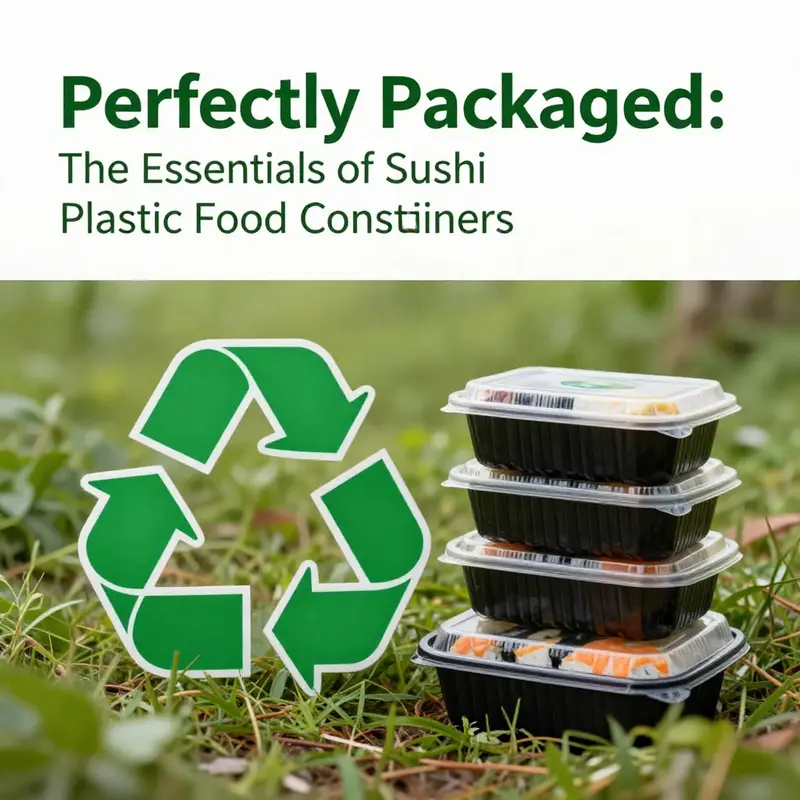
Sushi plastic food containers are a familiar sight on every takeaway counter, a silent testament to the demand for speed, practicality, and reliable protection of delicate contents. These boxes are often molded from polystyrene or polypropylene, with sometimes PET or biaxially oriented polystyrene in the mix. The choices are not arbitrary; they reflect a calculus that weighs low cost, lightness, moisture resistance, and the confidence that a fragile assortment of nigiri, sashimi, or hand rolls will arrive intact. Yet those very traits—rigidity, moisture barriers, and disposable convenience—anchor the packaging in a system built on fossil fuels and single use, raising pressing questions about longer term consequences that reach far beyond a single meal. The chapter that follows is not a plea to abandon practicality but a careful look at how the packaging we rely on shapes ecosystems, economies, and everyday choices, and how shifts in materials and design might reduce harm while preserving safety and freshness.
The lifecycle of a typical sushi container begins long before the box reaches a customer. Resin is derived from non renewable sources, most commonly through processes that convert fossil feedstocks into plastics designed to resist moisture and grease. The molding, printing, and assembly steps then produce a product durable enough to withstand the rigors of transit, stacking in coolers, and the occasional rough handling of delivery personnel. In a restaurant or takeaway setting, these attributes translate into fewer leakages, better presentation, and a predictable consumer experience. But the same durability that protects food can complicate end of life. PS and PP, while effective in preserving temperature and texture, do not readily return to reuse streams in many urban systems. They accumulate in landfills and, when mismanaged, make their way into waterways and soils. The environmental stakes are not merely about litter; they involve resource depletion, energy intensity, and the persistence of plastics in the natural world for decades or even centuries. This is especially salient in coastal regions and densely populated urban centers where takeaway culture has grown most rapidly.
Public discourse has begun to connect the convenience of plastic packaging with broader ecological footprints. Consumer awareness has risen in step with visible images of discarded containers in beaches and streets, and with studies that point to the long tail of plastic waste. The perception of eco friendliness around a single use item has shifted, and retailers, distributors, and municipalities are listening. This awareness has catalyzed interest in alternatives that align with a circular economy—systems in which materials are kept in use, waste is minimized, and the design of products anticipates recovery and regeneration. In the sushi segment, the alternative discussion centers on compostable materials that can replace conventional plastics for takeout trays and lids, as well as packaging formats that simplify disposal and recycling by reducing complexity and glues, coatings, or multi layer laminates.
Among the most discussed options are compostable materials derived from renewable resources such as cornstarch, sugarcane bagasse, and bamboo. These biosourced options are not a panacea, but they hold potential to reduce fossil fuel dependence and to align with industrial composting infrastructure that exists in many regions. The crucial caveat is that industrial composting facilities, not home compost bins, are typically required to achieve meaningful breakdown. In the real world, if a compostable tray winds up in a mixed municipal stream or a landfill, it may not decompose as intended, just as traditional plastics may persist. The effectiveness of this shift depends on a network of coordinated factors: material certification, consistent supply chain practices, consumer sorting, and municipal or industrial composting capacity. When all these pieces align, the environmental footprint of sushi packaging can shrink markedly. In this sense, the transition is not simply substituting one material for another; it is a reengineering of the packaging system to fit a circular ethos.
The economic dimension cannot be ignored. Industry analyses show that the move toward more sustainable sushi packaging is becoming economically viable, especially at scale. High quality environmentally friendly trays can be produced at prices near US dollars 0.133 per piece when ordered in substantial quantities with a minimum order, such as thirty thousand pieces. This statistic signals that environmental gains do not have to come at the cost of economic feasibility for large operators. It also points to a reality that early adopters might face higher unit costs at small scale, but benefits accrue through improved waste management, potential reductions in disposal fees, and enhanced consumer perception. The challenge is translating these gains into practical procurement decisions for diverse operators, from single shop takeouts to chain formulations that require consistent performance, while also balancing safety standards and regulatory requirements.
Design choices in sushi packaging also influence environmental outcomes in subtler ways. Anti fog lids, drainage holes, and curved edges exist to maintain freshness, manage sauces, and protect the integrity of the product under transport. However, these features can complicate recycling or compostability. Multi material constructions, adhesives, inks, and coatings can hamper separation during recycling, or prevent clean biodegradation in composting streams. A careful evaluation of a container’s end of life must consider not just the immediate functional benefits but the entire downstream path—from consumer sorting to facility processing and final fate. In practice, this calls for design for recyclability or compostability, prioritizing materials that can be efficiently separated and recovered. The best outcomes arise when packaging designers reduce layer complexity, select materials with established recycling or composting pathways, and avoid coatings that impede disassembly in recovery facilities.
A practical bridge between performance and sustainability lies in exploring alternative packaging formats that can maintain the integrity and convenience of sushi takeout while fitting into circular waste systems. Kraft paper based options, for instance, offer a different trajectory. They appeal to operators seeking a recyclable or compostable alternative that can still convey a premium presentation with the right finish. These options translate practical benefits into a broader market narrative of responsibility without sacrificing the customer experience. For practitioners curious about the breadth of kraft paper packaging options in the to go sector, a catalog of designs and configurations illustrates how a shift in material can reframe a brand story and operational habits. See kraft paper packaging options for examples of how design language and material choice intersect to deliver both function and recyclability. kraft paper packaging options.
The supply chain implications of shifting away from conventional plastics are non trivial. Standards, certifications, and logistics become more complex as the industry experiments with different resins, fiber based alternatives, and coatings. Certification programs for compostable and recyclable materials help buyers navigate quality and performance expectations, while also signaling to consumers that the product aligns with stated environmental goals. Equally important is the establishment of consistent, transparent labeling so that waste streams can be sorted correctly. Without clear guidance, even the most well intentioned packaging can fail at the final hurdle, ending up in the wrong bin or in a mixed stream that undermines efficiency and increases processing costs. In this context, the environmental promise of sustainable sushi containers depends on a functioning ecosystem that extends from raw material production to consumer behavior and waste management infrastructure.
A broader frame shows that sushi packaging sits at the intersection of health safety, convenience, and environmental stewardship. Food contact materials must meet safety standards; materials chosen for sustainability must still guard against contaminants and be suitable for contact with seafood and rice. Regulatory bodies emphasize hygiene, fatigue resistance, and barrier properties, and any alternative must demonstrate not only environmental credentials but robust performance during the product’s journey from market to mouth. The ongoing research in this space blends material science, waste management engineering, and consumer psychology. It is a multidisciplinary effort that requires collaboration across suppliers, food service operators, and municipalities. The end game is a packaging system that minimizes waste while preserving the sensory and safety characteristics essential to sushi.
In thinking about the future, it helps to imagine a spectrum of possibilities rather than a single best option. On one end, continued optimization of traditional plastics through lighter, more efficient formulations and improved recycling processes could lower the ecological footprint while preserving the familiar consumer experience. On the other end, a more radical transition toward bio based or fiber based alternatives could reduce fossil fuel dependence, while reconfiguring takeout workflows to maximize compostability and recycling rates. An integrated pathway might combine lightweight plastic components with recycled content, complemented by fiber based outer shells or inserts that reduce overall material usage and improve end of life outcomes. The most promising trajectory likely blends incremental improvements with strategic shifts in packaging architecture that emphasize disassembly, separation, and reuse where feasible. In this sense, the sushi container becomes not merely a disposable carrier but a configurable part of a broader sustainability strategy that aligns with corporate responsibility, city waste systems, and evolving consumer expectations.
The conversation around sustainability in sushi packaging would be incomplete without recognizing the role of consumer engagement. Sorting behavior and disposal choices have a measurable impact on waste streams. Educational cues on packaging, simple disposal instructions, and visible certifications can empower customers to participate in proper waste management. When designers and operators provide clear pathways for recycling or composting, they remove friction for the consumer and strengthen the environmental case for sustainable options. The synergy between design, policy, and behavior is what will ultimately determine whether the shift toward greener containers translates into real environmental gains, or remains at the level of aspiration. In a world where meals are increasingly delivered, a responsible approach to packaging is necessary not only for the health of the planet but for the resilience of the food service sector itself.
For readers seeking deeper technical grounding on the standards, properties, and performance of sushi packaging in industry practice, a detailed external resource offers insights into how performance and environmental criteria intersect under real world conditions. This analytic perspective helps practitioners weigh trade offs and align product development with both safety expectations and sustainability goals.
External resource: https://www.sustainabilityreport.com/2025/12/24/inside-sushi-togo-box-detailed-standards-properties-and-performance-analysis-for-industry/
Final thoughts
In summary, sushi plastic food containers not only offer practical benefits for packaging and transporting delicious sushi but also ensure compliance with safety standards and promote sustainability practices. By understanding their unique features, the materials utilized, market pricing, and their environmental implications, businesses can make informed decisions that enhance their operations. Whether you run a bustling restaurant, food truck, or catering service, embracing these innovative solutions can lead to improved customer satisfaction and operational efficiency.