
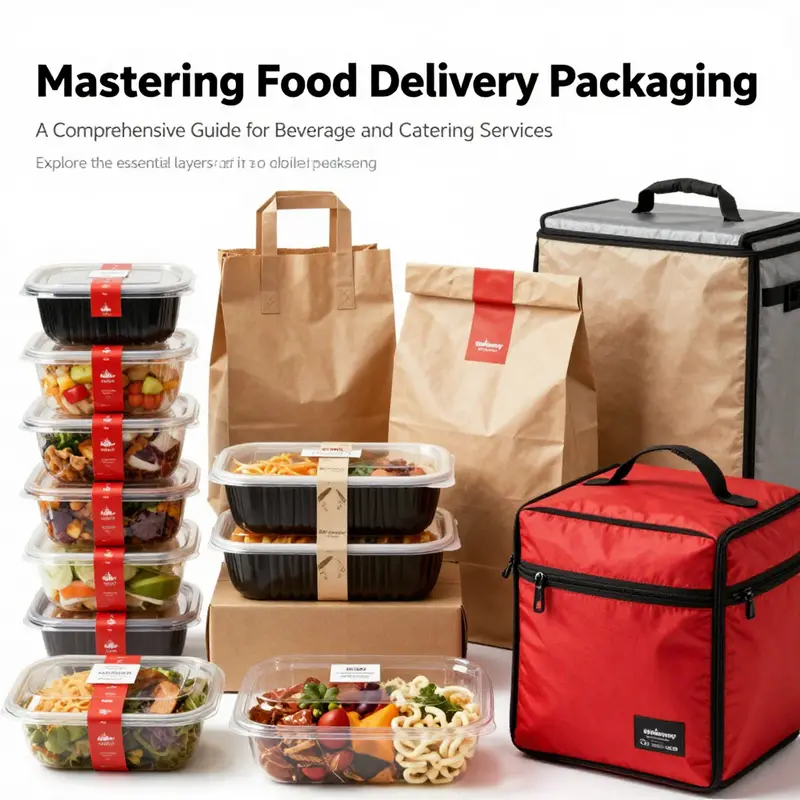
Food delivery has emerged as a critical component of the service industry, bridging the gap between consumers and their favorite meals and beverages. For businesses ranging from bubble tea shops to large catering services, understanding food delivery packaging is vital for maintaining quality, hygiene, and temperature during transit. This article delves into the three essential layers of food delivery packaging—inner packaging, the middle layer, and outer layer design—each playing a unique role in the overall efficacy of delivering food and beverages. By examining these components, businesses can enhance their delivery methods, improve their brand image, and ensure customer satisfaction.
The Thin Barrier: How Inner Packaging Safeguards Quality, Safety, and Temperature in Food Delivery
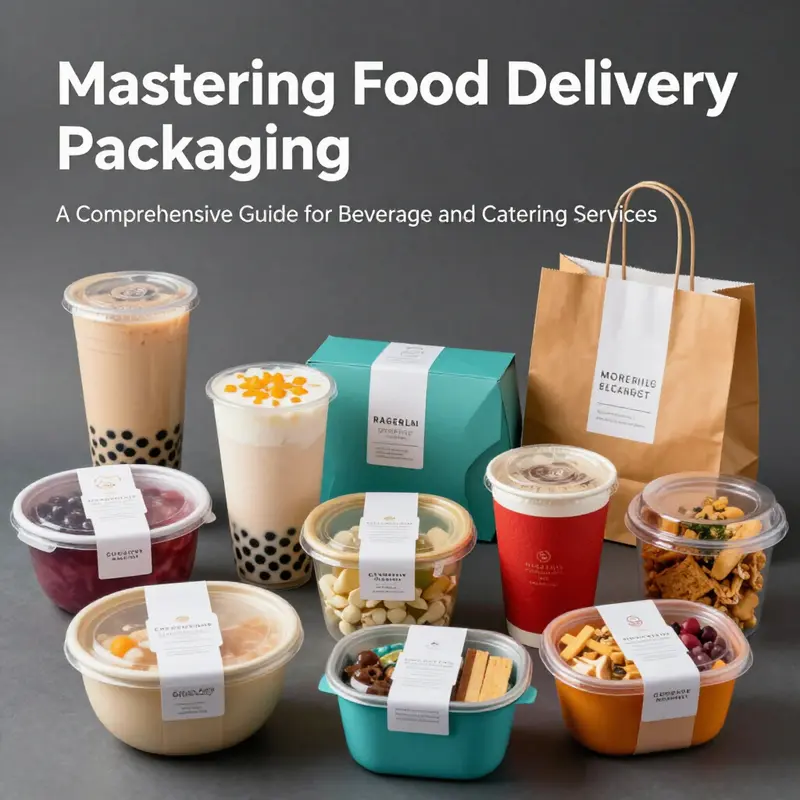
The Thin Barrier: How Inner Packaging Safeguards Quality, Safety, and Temperature in Food Delivery
The inner packaging layer is more than a simple lining for meals destined for a doorstep. It is the first line of defense against contamination, moisture intrusion, and temperature fluctuations that can ruin texture, aroma, and flavor long before a delivery arrives. While the outer bag protects the order from the elements and from the rough realities of transit, the inner packaging works in close contact with the food itself, shaping not only its safety but its sensory experience. It is a domain where material science meets practical kitchen discipline, where choices made in a restaurant kitchen ripple outward to affect consumer perception, waste streams, and the environmental footprint of an ostensibly everyday service.
At its core, inner packaging performs a trio of core duties. First, it acts as a barrier. It keeps microbes at bay, blocks moisture from wilting crisp textures, and prevents cross-contamination between items. Second, it is a thermal engineer, moderating heat or cold to ensure that a hot curry does not arrive at the table tasting like leftovers from a cold storage, and that a delicate dessert remains intact rather than a muddled puddle. Third, it serves as a functional interface for handling and reheating. It must be safe to touch, sometimes microwave-ready, and designed to withstand the quirks of consumer use—from a lunchtime bite to a late-evening reheat. These roles might seem straightforward, but they require careful balance among performance, cost, and sustainability.
The most common configurations of inner packaging are layered in a way that resembles a nested system of intimacy with the food. The innermost containers are chosen to cradle the food in a secure, non-reactive environment. These are typically food-grade trays and containers crafted to minimize movement, reduce the risk of leaks, and withstand heat without warping. The materials here are chosen not only for their barrier properties and durability but also for compatibility with a wide range of cuisines—from steaming-hot noodles to fried items that throw off splashes and grease. In many operations, these trays are BPA-free and designed with microwave safety in mind, which supports a seamless transition from kitchen to consumer to pantry reheating.
The next layer broadens the protection and address a different set of challenges. This is where insulators, liners, and inserts come into play. Insulated liners are frequently made from expanded polystyrene (EPS), foam, or vacuum-sealed fiber layers. Each option has its own flavor of performance. EPS and other foams excel at trapping heat, which is essential for soups and curries that would cool to a stale parlor room temperature without intervention. Vacuum-sealed and fibrous inserts enhance moisture management, which matters for items like fried foods that shed moisture and risk sogginess if not properly shielded. The science here is about controlling gradients—temperature gradients, moisture gradients, and gas exchange gradients—that can alter texture and aroma in ways diners notice and judge, sometimes subconsciously.
A growing segment of inner packaging emphasizes sustainability by adopting compostable and biodegradable wraps. Plant-based materials such as cornstarch, sugarcane pulp, or cellulose derivatives are increasingly used to provide a reliable moisture barrier and physical integrity without relying on conventional plastics. These materials respond to a rising consumer demand for eco-friendly solutions and align with broader industry goals to reduce long-lived plastic waste in the delivery ecosystem. Yet even as compostable materials advance, they are not a panacea. They require appropriate end-of-life infrastructure to realize their environmental benefit. Without industrial composting or designated take-back programs, some of these materials may end up in landfills where the hoped-for advantage diminishes. The debate over compostable versus recyclable inner packaging is not merely a technical one; it is a systems problem that requires coordination among suppliers, restaurants, delivery platforms, and municipalities.
As the boundaries of what inner packaging can do expand, smart components are making their way into the inner layer. Some advances integrate antimicrobial agents or oxygen scavengers directly into the packaging materials. These active elements aim to suppress microbial growth and stabilize the food environment, offering an extra margin of safety and shelf life without resorting to chemical preservatives that consumers may find off-putting. Even more intriguing are packaging indicators that change color when exposed to unsafe temperatures, providing a visible cue to drivers or customers about the state of the meal. This kind of feedback, while still emerging, has the potential to reduce the guesswork that sometimes accompanies multi-item orders and late-night deliveries, where temperature fluctuations can be more erratic.
Another practical feature within inner packaging is the use of separation dividers and inserts. For orders containing several items, dividers prevent flavor transfer and protect delicate components—desserts perched beside heavy entrees, salads jostled by sauces, and beverages clinking against noodles. These small architectural choices matter. They preserve the intended culinary experience by maintaining the integrity of each item’s texture, aroma, and appearance. A well-considered divider system can transform a mixed bag of items into a coherent, restaurant-quality experience upon unboxing, which in turn reinforces consumer trust in the delivery service.
The selection of inner packaging is guided by a delicate balancing act among functionality, cost, and sustainability. The industry has learned that a superior heat barrier often comes at a price, and the challenge is to deliver enough thermal protection to preserve quality without generating waste that overwhelms recycling streams. In practice, the tradeoffs unfold in real kitchens and on real streets. A bulky, super-insulated liner may safeguard a hot bowl of soup for a longer ride, but it also increases material use and weighs down the order. A lighter, cheaper insert might suffice for shorter trips but fail to preserve textures that require more consistent temperatures. These decisions are deeply context-driven: the type of cuisine, the typical delivery distance, the climate, and the expected order size all shape what inner packaging will be trusted to do.
From a quality management perspective, inner packaging is a site of constant refinement. It is where sensory science meets logistics. Food researchers and packaging engineers work together to map how packaging interacts with different foods, how moisture migrates, and how temperature decays along transit routes. The aim is to craft a packaging stack that behaves like a reliable thermal envelope, preserving the aromatic cues and crisp textures that define a dish from the first bite to the last. This is not purely about keeping food hot or cold; it is about preserving the characteristics that define a dish’s identity—the crunch of fried edges, the sheen of a glossy sauce, the soft yield of a steamed dumpling. Even where inner packaging performs its protective role invisibly, its impact is visible in consumer satisfaction metrics: repeat orders, slower disposal of packaging, and a quiet but steady rise in the perceived quality of the brand’s food-delivery proposition.
A practical example helps illuminate how all these considerations play out in day-to-day operations. Consider a multi-item order that includes a hot entrée, a side with a delicate texture, a dessert, and a beverage. The inner packaging must do several things at once. It must prevent spillage and cross-contamination, keep the hot item hot long enough for the recipient to enjoy it comfortably, protect the fragile dessert from being crushed, and prevent the beverage from soaking other components in the bag. It must also accommodate the possibility of the customer reheating components in a microwave, which requires packaging materials that are microwave-safe and that do not degrade in quality when exposed to heat. In such a scenario, the inner packaging could employ a combination of a sturdy, heat-tolerant tray for the hot entrée, a separate moisture-control liner around the dessert to prevent condensation from seeping into the pastry, and a compact, heat-insulating sleeve that keeps the beverage at its optimal temperature while remaining easy to grip. The multi-layer configuration is balanced against the overall package weight and the cost per unit, and decisions are often revisited as new materials or technologies become available.
Internal design choices in inner packaging also intersect with consumer expectations around convenience and aesthetics. A consumer who is handed a neatly organized, easy-to-open set of containers experiences a sense of care and professionalism. Even the way a package is labeled—clear, legible temperature indicators, simple instructions for reheating, and compact packaging that minimizes litter—contributes to perceived value. In this sense, inner packaging is a form of nonverbal communication. It signals that the food has been handled with attention to hygiene and that the provider considers the entire delivery experience, from order placement to table. This social dimension matters because food delivery is not merely about sustenance; it is about delivering an experience, and the packaging architecture is one of the first touchpoints through which that experience is conveyed.
From an environmental perspective, inner packaging constitutes a meaningful portion of the waste generated by takeout and delivery. The push toward more sustainable options is not simply about substituting one material for another; it is about integrating packaging choices with waste management infrastructure. Compostable inner materials depend on industrial composting facilities to break down effectively, and not every jurisdiction provides such infrastructure. Recycling compatibility is another layer of complexity. Some inner packaging materials are designed to be recyclable, but the contamination introduced by food residues or the presence of composite materials can hamper recycling streams. The industry, therefore, negotiates between material science breakthroughs and real-world waste systems. In some cases, the answer lies in a hybrid approach: selecting recyclable materials where appropriate, and compostable alternatives where composting facilities exist and are accessible to consumers.
This nuanced landscape suggests that inner packaging is a moving target, evolving with advancements in material science, changes in consumer behavior, and shifts in municipal waste policies. It also implies a responsibility on the part of restaurants and delivery platforms to educate customers about proper disposal and to design packaging that aligns with local recycling and composting opportunities. The long-term success of any inner packaging strategy rests on its ability to deliver reliability in performance while mitigating environmental impact. It requires ongoing collaboration across suppliers, chefs, logisticians, and waste managers to ensure that each shipment contributes to a sustainable cycle rather than an endless accumulation of discarded materials.
In practical terms, the inner packaging layer should be designed with modularity in mind. A modular approach allows operators to tailor packaging to the specific needs of a menu and to adjust configurations as orders evolve. For example, a modular system might use a standard set of inner containers and liners that can be combined in different ways to accommodate various dish types. This reduces the number of unique component SKUs, simplifies training for staff, and streamlines procurement. It also opens opportunities for customers to reuse or repurpose components when possible, further reducing waste over time. The principle is simple: design for flexibility and reuse wherever feasible, while preserving the essential protective functions.
Within this broader framework, researchers and industry practitioners increasingly emphasize data-informed decision-making. By tracking how long orders stay hot or cold, monitoring moisture and condensation levels, and surveying consumer feedback on texture and taste after delivery, operators can identify which inner packaging configurations are delivering the best balance of performance and sustainability for their particular context. These data-driven insights enable targeted improvements, whether that means selecting a more efficient insulator for regional routes, choosing a material with a lower environmental footprint, or refining the divider system to better protect fragile items during peak traffic hours. The ultimate objective is a cohesive packaging system in which inner packaging, outer bags, and delivery practices work in concert to preserve the food’s integrity from kitchen to doorstep.
From the perspective of the broader article on food delivery packaging, inner packaging is a microcosm of the tensions and opportunities facing the industry. It embodies the challenge of balancing protection, cost, and sustainability while meeting consumer expectations for convenience and transparency. It also highlights the importance of standardization and interoperability. When inner packaging components are designed to work across a wide range of dishes and delivery scenarios, the result is a more resilient, scalable delivery system that can adapt to evolving culinary trends and logistical realities. The chain of decisions—from material choice to user instructions—ultimately shapes the dining experience, even before the consumer unseals the outer bag. That is why inner packaging deserves sustained attention in any comprehensive examination of food delivery packaging.
For readers seeking concrete examples of eco-friendly inner packaging materials and assemblies, a closer look at kraft-paper-based bowls and related containment solutions provides a useful reference point. These containers, often designed with inserts and lids that fit snugly, illustrate how a simple container can combine strength, temperature stability, and a lower environmental footprint when chosen thoughtfully and used within a system that supports proper disposal. The practical takeaway is that inner packaging should be treated as a system component with a measurable impact on quality, safety, and sustainability, rather than as a disposable afterthought that gets discarded without consideration. In the end, the right inner packaging choices contribute to a delivery experience that feels reliable, hygienic, and respectful of both the food and the planet.
To see a concrete example of how such components are marketed and deployed in real-world packaging ecosystems, consider exploring practical designs such as octagonal bowls and related kraft paper packaging options that balance form, function, and sustainability. octagonal-bowl-1500ml-rectangle-bar-party-take-out-kraft-paper-bowl. While this is just one illustrative instance, it highlights how inner packaging can be tuned to deliver specific protective and thermal outcomes without compromising the overall environmental objectives of the business.
As the chapter nears a close, the broader implication remains clear: inner packaging is not merely a shell around the meal but a decisive factor in quality, safety, and the sustainability trajectory of modern food delivery. Its development is informed by scientific inquiry, operational pragmatism, and consumer expectations, all of which push the industry toward smarter materials, smarter designs, and smarter disposal practices. The inner layer, in its quiet, everyday work, is where the promise of a perfected takeout experience begins—and where the ambition to deliver meals in better, cleaner, and more responsible ways can be realized.
External resource for broader context and ongoing discussion on sustainable packaging solutions in the restaurant and delivery space: https://www.theguardian.com/environment/2023/mar/14/restaurant-food-delivery-packaging-eco-friendly-solutions
The Middle Layer: The unsung gatekeeper of food delivery packaging
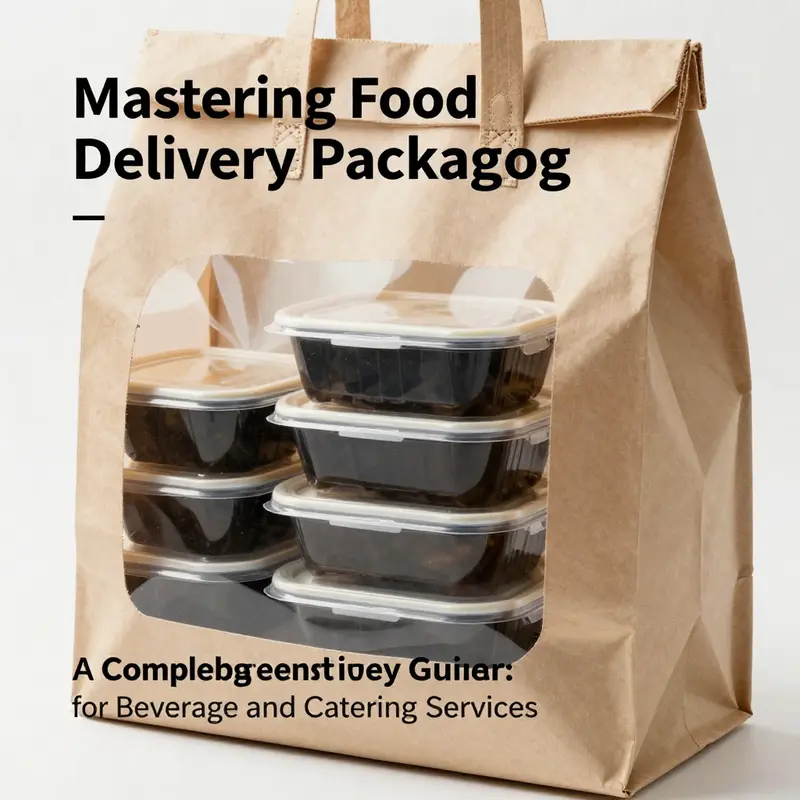
The journey of a delivered meal begins long before a driver taps the doorbell. It starts with a carefully engineered middle layer that sits between inner containers and outer packaging, shaping freshness, safety, and handling. This layer is not flashy, but it is essential. It must resist moisture to prevent soggy textures, block oxygen to slow spoilage, and stand up to grease and abrasion during transit. In short, the middle layer preserves sensory attributes and food safety as the meal travels from kitchen to customer.
Multi-layer films are common here because single-material films rarely meet barrier, strength, and heat-resistance needs. Moisture barriers keep condensation from turning a burger bun into a soggy bassline; oxygen barriers slow microbial growth and lipid oxidation. The middle layer also contributes to thermal performance, reducing heat loss for hot meals and helping maintain quality across longer routes. Sustainability matters too, with a push toward recyclable or compostable stacks and strategies to separate layers for end-of-life processing.
Beyond containment, the middle layer supports cleanliness and leakage prevention, supporting consumer trust and reducing waste. It must be designed to work with various food types and packaging formats, from crispy fries to saucy noodles, ensuring seals hold and contents stay intact. In practice, this means thoughtful material selection, precise lamination, and testing that simulates hours or days of real-world transit.
In a broader sense, the middle layer links kitchen craft with supply-chain logistics and environmental stewardship. When designed well, it helps a hot curry arrive hot, a salad stay crisp, and a dessert arrive intact—without contributing unnecessarily to waste streams. It is the quiet workhorse that enables safe, fresh, and sustainable meals delivered to doors.
Guardians of Temperature: The Outer Layer that Keeps Every Food Delivery Fresh
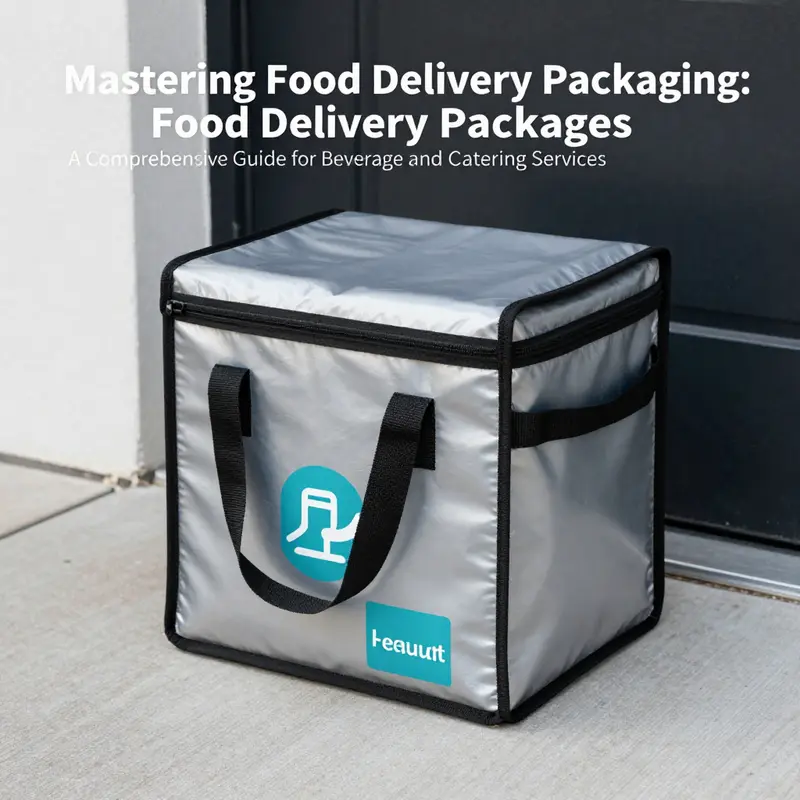
The outer layer of a food delivery package is often the most influential yet the least noticed part of the system that brings a hot burger to a doorstep or a warm bowl of soup to a late-night student. It is not merely a carrier but a carefully engineered barrier whose primary job is to protect the meal from the unpredictable nature of transit. In practice, the outer layer must shield against a cascade of external challenges: temperature fluctuations that swing between heat and cold, moisture from humidity and rain, light that can degrade sensory qualities, dust and particulates, and physical shocks from roads, stairs, and careless handling. The overarching aim is protection, a term that scholars emphasize in discussions of packaging science. Protection encompasses shielding the food from microbial intrusion, chemical changes, and physical damage that can shorten shelf life or alter texture, aroma, and appearance. Every spacer, seal, and panel in the outer layer contributes to a chain of defense that begins the moment a kitchen finishes cooking and ends when the package lands in the customer’s hands.
The outer layer operates on a balance between barrier performance and user experience. On one hand, it must be robust enough to withstand compression, abrasion, and accidental punctures during loading, transit, and last-mile handling. On the other, it must remain approachable for everyday users. This means material choices and structural features must be intuitive, easy to open, and adaptable to diverse delivery contexts. When a box is stacked with other orders in a crowded courier vehicle, the outer layer’s rigidity helps prevent the contents from being crushed. When a drizzle falls, a water-resistant outer shell prevents moisture from seeping into the inner containers. When the package travels long distances, insulation within the outer layer helps retain heat or coolness, reducing the rate at which food quality deteriorates.
The most advanced outer-layer designs also venture beyond passive protection to active maintenance of food quality. Smart packaging has moved into the realm of practical application, with materials that incorporate natural active components to deter microbial growth or to scavenge oxygen inside the package. These innovations reflect a broader consumer demand for freshness without resorting to chemical preservatives. The idea is to extend the usable life of a meal by working with the natural chemistry of food and air, not by masking it with additives. In this sense, the outer layer becomes a functional ally rather than a mere enclosure. It participates in the preservation process, easing the burden on the interior containers and enabling safer, more reliable delivery.
For practical purposes, the outer layer’s design must be adaptable to the specific type of food and the conditions of delivery. When the meal is a hot dish, the outer shell often relies on high-performance insulation and leak-resistant seals that trap heat and prevent spills. The goal is to keep steam distributed and contained, preserving texture while avoiding condensate that could sog the packaging or reaching the consumer’s hands. Conversely, for items like pizza or other flatbreads, the outer layer emphasizes moisture management and light-weight durability. A water-resistant exterior helps keep rain and humidity from penetrating the package, while a lightweight construction supports rider mobility and fuel efficiency. For delicate items such as pastries or sandwiches, a lighter outer structure with resealable closures can preserve freshness without adding unnecessary bulk. These scenarios illustrate how the outer layer design must be problem-driven, tailored to the physical realities of each category of food and the uncertainties of weather and traffic.
Materials play a central role in shaping these outcomes. Traditional options include paperboard, cardboard, and various plastics, each with trade-offs in barrier properties, cost, and environmental impact. The choice often hinges on the specific performance requirements and the sustainability goals of the operation. For instance, paper-based shells can provide good stiffness, printability for branding, and recyclability, but may require moisture barriers or additional coatings to resist oily contents. Plastic films or laminates can deliver superior moisture and gas barriers but pose waste-management challenges. A growing trend is to combine layers in a way that leverages the strengths of each material: a stiff outer shell for protection, followed by an inner insulating layer, and then the standard food-grade container. The outer layer’s ability to seal and insulate becomes a multilayer dialogue, where the outer shell, barrier films, and closures work in concert to protect temperature and prevent leaks.
Sustainability cannot be separated from these practical considerations. A major design challenge is achieving high-performance protection while minimizing environmental impact. Recyclability, compostability, and the use of renewable or recycled content are increasingly prioritized. Yet sustainability must not compromise functionality. The outer layer must remain resistant to moisture and light, capable of withstanding the rigors of the delivery environment, and accessible to users with varying abilities. In some cases, designers aim for reusable or returnable outer shells, though this approach requires robust logistics for collection, cleaning, and redistribution. The tension between durability and disposability is not resolved by a single material choice; it is a strategy problem, deciding when a one-time-use solution meets environmental targets and when a reusable approach may offer a better lifecycle outcome.
Aesthetics and brand identity also flow from the outer layer. The outer shell often carries logos, color schemes, and tactile cues that help a customer recognize a particular restaurant or delivery service at a glance. Beyond branding, the outer layer can convey quality and care through its finish, texture, and edge sealing. A user who feels confident handling a well-sealed package experiences less anxiety that the order will spill or arrive cold. In a market where customers may order multiple items at once, consistent, visible cues on the outer layer help distinguish an order and reassure the recipient that the packaging is designed for safe transport.
Functionality must also accommodate accessibility and inclusivity. Packaging should be usable by people with reduced dexterity, limited vision, or lower strength. This means closures that are easy to grip, clear indicators for opening, and intuitive reseal options. A packaging system that neglects accessibility risks exclusion and increases the likelihood of mishandling. The science behind outer-layer design thus embraces universal design principles: the packaging should be usable by as many people as possible without requiring specialized tools or significant effort. This is not merely a matter of convenience; it intersects with hygiene, safety, and customer satisfaction. When an outer layer is hard to open or difficult to reseal, the food may be left exposed to the elements or compromised by contamination risks. In short, the outer layer functions best when it is intelligently simple to use while delivering robust protection.
The outer layer also serves as a conduit to the broader system of packaging, positioned as the final hurdle before the meal reaches the customer. The inner containers, whether paper boxes, clamshells, or foil trays, are designed for specific food types and structured for portion integrity. They rely on the outer layer to maintain environmental conditions during transit. The middle layer—often a bag or box that gathers items together—adds another buffer against spills. Yet it is the outer layer that is most directly responsible for keeping the temperature and texture stable across the most variable environments. This is why researchers and practitioners increasingly emphasize the outer layer’s performance as a primary determinant of overall package reliability.
The evolution of the outer layer is also a story of standards and testing. Industry guidelines stress the need for reliable barrier properties, leak resistance, and behavior under shock and compression. Tests examine how well the outer layer protects against gas permeation, light exposure, and moisture ingress. They measure the capacity to resist punctures and abrasions, to remain intact when stacked, and to maintain seal integrity after repeated handling. The results inform improvements in material composites, seal technologies, and lamination strategies. They also influence consumer-facing attributes like ease of opening and the feel of a premium product in hand. The interplay between rigorous protection and everyday practicality drives ongoing innovation in outer-layer design.
In some contexts, localization matters. Delivery conditions vary by climate, urban density, and local waste management practices. An outer layer that performs brilliantly in a temperate region may struggle under heavy rainfall or in a hot, humid urban corridor. Designers increasingly consider such regional differences, incorporating moisture barriers for wet climates and lighter, more breathable structures where heat buildup is a concern in crowded neighborhoods. The goal is to deliver consistent quality regardless of where and when a meal travels from kitchen to doorstep. It is a reminder that packaging is not a universal fix but a tailored solution shaped by context, cuisine, and customer expectations.
The inner and middle layers, while essential, do not carry the same weight in public perception as the outer layer, yet they function synergistically. The outer layer must acknowledge that some moisture, steam, and heat will escape and that condensation is an inevitable variable. To mitigate this, designers employ venting strategies, controlled permeability, and creative seal features that balance airflow with containment. The outer layer thus acts as a steward of the food’s physical state, even as the inner containers do most of the direct handling of food items. This integrated approach helps explain why the outer layer receives increasing attention in both research and practice: it is the line of defense that sustains quality across contingencies, from a quick trip through a rainstorm to a late arrival during a citywide holiday.
Taken together, these considerations reveal a central thesis: the outer layer’s design is not a standalone solution but a thoughtful orchestration of materials, mechanics, and human factors. It is where science meets everyday practice, where barrier properties meet brand storytelling, and where the goal of protection aligns with the promise of a reliable, accessible, and sustainable delivery experience. When customers remember a hot meal arriving at the right temperature, the outer layer has done its quiet work. When they notice a container that’s easy to open but secure against leaks, the outer layer has proven its usability. When a courier reports fewer complaints about soggy boxes or cold fries, the outer layer has demonstrated its resilience. And when each order demonstrates a balance of performance and sustainability, it reflects a broader industry shift toward responsible packaging that respects both consumers and the environment.
In this light, the outer layer emerges as a central protagonist in the story of the modern food delivery package. Its design is a synthesis of science and sensibility, a materialized commitment to keeping every bite in optimal condition while easing the journey from kitchen to customer. As the field advances, the outer layer will continue to evolve—integrating smarter materials, tighter seals, and more inclusive usability features—yet its core mission will endure: to act as a trustworthy guardian at the final mile, preserving safety, freshness, and satisfaction from the moment the order leaves the stove to the moment it disappears into a recipient’s hands. For readers seeking concrete examples of how these principles translate into real-world packaging solutions, a closer look at the layered structure and testing standards explains why outer-layer design deserves the attention it receives in the ongoing conversation about sustainable, high-performance food delivery.
customized-design-eco-friendly-1300ml-kraft-soup-salad-paper-bowl-with-lid provides a practical illustration of how an outer layer can align with eco-conscious goals without sacrificing functional performance. Its lid design and kraft-based materials underscore how branding, usability, and sustainability can converge within a single container component. By examining such examples, designers and operators can glean how outer-layer choices affect not only the immediate handling experience but also the broader lifecycle of packaging. The dialogue between performance and responsibility is not an afterthought but a guiding principle in contemporary packaging development, one that the outer layer embodies with each shipment.
In exploring these issues, one encounters a reminder of the scientific backbone supporting practical decisions. The outer layer’s role in protecting food from microbial and physicochemical threats is grounded in principles of barrier science, materials engineering, and human factors. The research landscape, including comprehensive overviews published in reputable journals, emphasizes that what may seem like a simple sheet of cardboard or a plastic film is inseparable from microbial safety, shelf life, and consumer confidence. As researchers push the envelope with antimicrobial additives, oxygen scavengers, and smarter barrier designs, the outer layer becomes an active participant in food safety strategies, not merely a passive wrapper. This evolution is thoughtfully captured in scholarly syntheses that connect material science with real-world delivery constraints, offering a roadmap for future improvements that respect both health outcomes and environmental stewardship.
External resource: https://www.sciencedirect.com/science/article/pii/S030881462500097X
Final thoughts
Understanding the intricacies of food delivery packaging is paramount for beverage chains, restaurants, food trucks, and event planners alike. Each layer—the inner packaging, middle layer, and outer layer—serves its unique purpose, contributing to the overall delivery experience. Prioritizing quality packaging not only enhances customer satisfaction but also reflects your brand’s commitment to excellence. By adopting effective packaging strategies, businesses can ensure that their offerings arrive at their destination in perfect condition, thus fostering loyalty and repeat business.