
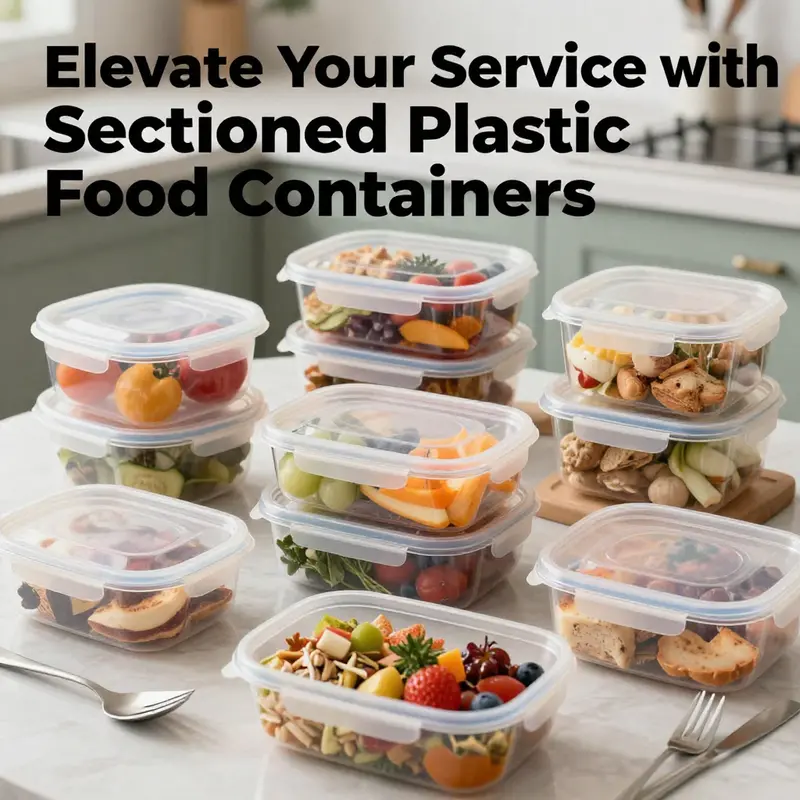
In today’s competitive food and beverage industry, efficiency, presentation, and sustainability are vital. Sectioned plastic food containers are an essential solution, offering a practical way to store and serve a variety of foods without compromising quality or flavor. Designed with multiple compartments, they enable restaurants, food trucks, and caterers to streamline operations while maintaining food’s freshness and appeal. This article will explore the features and materials of these containers, their health and safety aspects, their economic impact, and important environmental considerations, helping you make informed choices for your business.
Multiple Compartments, Unified Purpose: The Design, Materials, and Everyday Use of Sectioned Plastic Food Containers
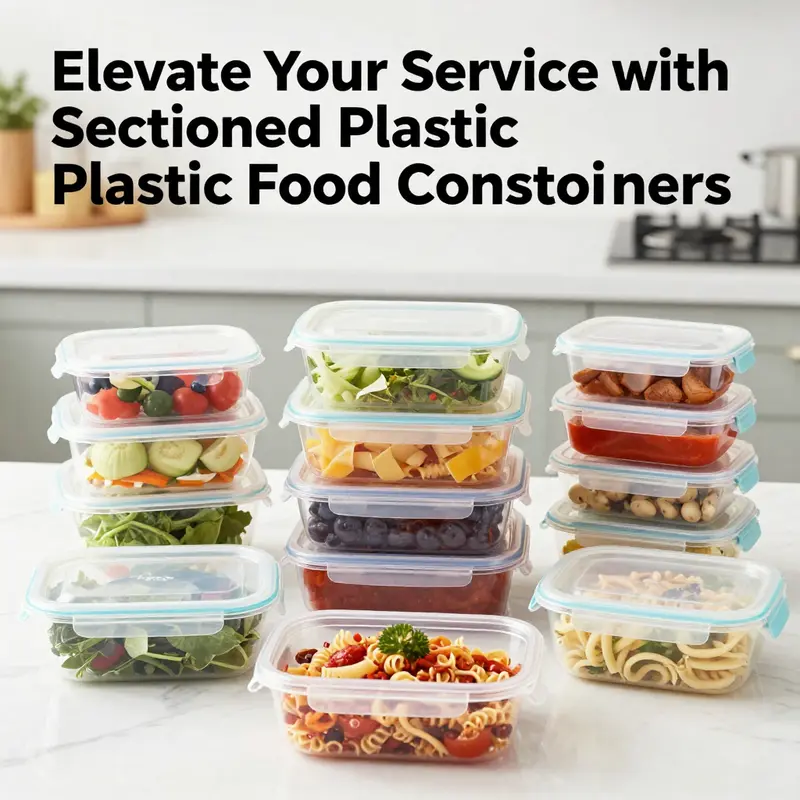
Sectioned plastic food containers sit at a quiet intersection of practicality and routine. They are the everyday workhorses of kitchens, offices, and takeout bags, engineered to keep diverse foods separated within a single vessel. Their appeal lies less in novelty and more in predictability: a reliable means to portion meals, preserve freshness, and simplify cleanup. The compartments act as tiny organizers, turning a single container into a micro-plan for a meal, a week, or a trip, depending on the user’s needs. This capacity to hold proteins, grains, vegetables, and sauces apart without compromising flavor or texture is more than a convenience. It is a deliberate design response to how modern eating patterns have evolved—toward portion control, meal prepping, and the efficient movement of food from kitchen to desk to destination without a mess or mix that can undermine quality.
At the heart of this design philosophy is a careful marriage of interior geometry and material science. The divided interior, with its rigid walls, creates distinct zones that discourage cross-contamination of flavors while enabling pantry-style organization in a compact footprint. The lids, often featuring secure seals or snap closures, are not mere covers but active components that preserve moisture, reduce spills, and extend the usable life of prepared meals during transport. This combination of secure enclosure and modular layout makes sectioned containers especially well suited for hot meals, soups, and leftovers, whether carried in a backpack, slid into a lunch bag, or tucked into a briefcase for a day away from home.
In practice, the versatility of sectioned containers mirrors the routines of a broad cross-section of users. For families, they provide a simple mechanism to separate children’s meals by taste and texture, while allowing parents to control portions in a way that can promote balanced eating. For office workers, these containers translate meal prep into a portable, hygienic system that keeps salads crisp and dressings distinct from proteins. For food service and bulk meal prep operations, the compartments facilitate portion control, reduce cross-contact of ingredients, and support a more predictable supply chain by standardizing meal components. The results are not only clearer meal boundaries but also a tangible reduction in food waste, since portions can be more precisely sized and tracked.
The materials that underwrite these containers are pivotal to their performance. Polypropylene, or PP, dominates as the go-to choice for many users because it balances heat resistance with durability. PP’s compatibility with microwave heating makes it a practical option for reheating, and its freezer resistance allows for longer storage without textural degradation. In addition, PP is widely labeled as BPA-free and adherent to FDA and EU food safety standards, which reassures consumers about safety when meals move from fridge to plate to mouth. HDPE, or high-density polyethylene, contributes strength and chemical resistance, making it a sturdy option for long-term storage and heavy use. It is particularly valued in environments where containers encounter solvents or cleaning agents, or where the container may be reused many times across seasons. PS, or polystyrene, tends to appear more in disposable contexts, offering lightness and low cost but often sacrificing long-term durability and high-heat performance. This spectrum of materials gives designers and manufacturers a toolkit to tailor containers to different use cases, from frequent microwaving to extended refrigeration.
Beyond the core materials, many sectioned containers incorporate advanced features that enhance flexibility and user experience. Adjustable or repositionable dividers stand out as a practical innovation. They empower users to tailor the size and shape of each compartment, accommodating everything from a small snack to a full meal with multiple components. This adjustability makes it easier to manage portion control and adapt to changing meals or dietary needs, such as swapping a side dish in and out of its segment without compromising the rest of the pack. Some models include interlocking stackability with airtight lids, a combination that streamlines storage and transportation. Stackable designs help in crowded pantries and refrigerators, enabling a vertical organization that saves valuable space in both home kitchens and commercial settings.
Another notable feature is built-in utensil storage, which turns a simple container into a travel-ready kit for lunches on the go. The presence of clear or translucent lids often helps users identify the contents at a glance, a small but meaningful convenience when grabbing a meal from a cooler or refrigerator. In premium or professional-grade variants, lids can offer airtight seals and leak resistance that protect sauces or dressing-based dishes from tipping or seeping through the lid while in transit. All of these features—adjustable dividers, secure lids, interlocking edges, and visibility—converge to support a broader goal: preserving the integrity of a meal from kitchen to consumption.
A practical thread that runs through the story of sectioned containers is their role in supporting portion control and hygiene. For households embracing structured meal prep, a container with clearly defined sections provides a visual cue for balanced eating. When used in office settings, the ability to compartmentalize different food groups helps employees maintain variety in their meals without resorting to separate containers or extra packaging. In food service and bulk meal programs, standardized section sizes promote consistency across orders, which can simplify inventory management and reduce the likelihood of food waste. The containers’ design makes it possible to pre-portion a day’s or week’s meals in a way that aligns with dietary goals and time constraints, while also reducing the risk of contamination between foods with different temperatures or textures.
From a safety and compliance perspective, the emphasis on food-grade plastics is central. Stainless steel and glass alternatives exist, but plastic containers remain popular because of their lightness, cost-effectiveness, and resilience to everyday use. The emphasis on food-grade materials, with many products made from PP or HDPE, reflects an industry-wide commitment to safety standards and consumer confidence. The fact that these plastics are recyclable in many regions further supports a circular economy narrative, even as recycling realities vary by locale. It is important to recognize that while PP and HDPE are recyclable, recycling acceptance and infrastructure differ across countries and municipalities, so users should consult local guidelines to ensure proper disposal.
In the broader conversation about packaging and food ecosystems, sectioned containers sit alongside a range of formats, each with its trade-offs. For customers seeking lower waste or a move away from plastic, kraft paper packaging and other paper-based solutions offer a compelling alternative for certain applications. The choice between plastic and paper is rarely binary; it is a matter of balancing durability, reusability, heating capabilities, and environmental goals. For instance, when a meal needs to be kept warm during a commute, a heat-resistant, reusable PP container may perform better than many disposable paper alternatives. Conversely, for takeout packaging or single-serving meals that must be compact and lightweight, paper-based options can provide a convenient, recyclable choice. In this landscape, the option to reference related packaging formats, such as kraft paper packaging for restaurant boxes, helps readers understand the full spectrum of practical choices available to them. See this comparative look for a sense of how paper-based packaging positions itself relative to plastic compartments: kraft paper packaging for restaurant boxes.
The dialogue about materials also invites reflection on the environmental and economic dimensions of sectioned containers. Durability directly influences lifecycle costs. A well-made PP container with a sturdy lid and reliable seal can endure hundreds of uses if cared for properly. This durability translates into lower long-term costs and less frequent replacement, which is a meaningful consideration for households that meal prep daily or for commercial kitchens that rely on consistent packaging throughput. Yet durability has limits. Over time, repeated heating, cooling, and mechanical stress can lead to lid warping, gasket wear, or wall cracking. Lower-quality plastics may start to hold onto odors, especially when foods with strong scents are stored repeatedly. Dishwasher safety is another practical concern: some models are explicitly labeled as dishwasher-safe, while others require hand washing to preserve seals and structural integrity. Users should weigh these maintenance realities when selecting a container that will participate in daily routines.
From a health and safety perspective, the alignment with regulatory standards is as important as performance. PP containers are frequently marketed as microwave-safe and freezer-safe, which aligns with common meal-prep workflows. The BPA-free designation has become a standard expectation, even as debates about alternative chemicals and additive leachates continue. For consumers, this means looking for labeling that confirms compliance with recognized food safety frameworks, as well as clear guidance on heating limits and recommended cleaning practices. The material choice also informs how a container behaves when heated; some plastics are formulated to withstand higher temperatures without warping, while others are more suitable for cold storage and ambient temperatures. The choice of material therefore has practical implications for texture, flavor preservation, and even food safety, since compromised seals or warped lids can lead to leaks or exposure to the external environment.
In the everyday flow of kitchens, these containers also intersect with practical routines like stacking, washing, and reusing. The stackable nature of many designs supports efficient storage in small kitchens, where pantry and refrigerator space is at a premium. The interlocking edges help keep sets organized, which reduces the cognitive load of meal prep and storage. Reuse is a central virtue of plastic containers, but it also carries responsibilities. Proper cleaning is essential to maintain hygiene and prevent odor retention or staining. While many PP and HDPE containers are dishwasher-safe, users should consult manufacturer guidelines to avoid unintended damage to seams and lids. When it comes to disposal, understanding the local recycling stream is critical, because the same container may be recyclable in one region but not in another due to local processing capabilities and contamination thresholds. Thus the conversation about sectioned containers naturally extends beyond the kitchen to neighborhoods, municipalities, and waste management systems.
A sense of continuity underpins the narrative of sectioned containers: they are designed to support consistent portioning, predictable performance, and practical portability. In a world where eating patterns are increasingly organized around planned meals, these containers offer a reliable framework for translating a recipe into a transportable, pre-portioned reality. They enable households to maintain dietary goals without sacrificing convenience, and they give professionals a tool to standardize portions and optimize workflows. Their success rests on a simple premise—divided spaces and durable materials can coexist with ease of use, safety, and environmental awareness. While no packaging format is perfect, the strengths of sectioned containers in terms of portion control, cleanliness, and storage efficiency are clear. They represent a thoughtful response to how we eat, how we move meals, and how we steward resources in busy lives.
For readers exploring the full spectrum of packaging choices, it is useful to weigh how sectioned plastic containers compare with other formats in real-world scenarios. When the priority is durable reuse and microwave-ready functionality, sectioned PP or HDPE containers often deliver steady value. If the aim is minimalism or end-of-life recyclability, paper-based packaging can present compelling advantages in certain contexts. In all cases, the decision should hinge on specific needs—whether a family wants to streamline school lunches, a coworker needs a reliable carry-to-work solution, or a caterer seeks standardized portions for a predictable menu. The conversation is not merely about keeping foods separate; it is about shaping routines that foster healthier eating habits, better storage hygiene, and more efficient use of space and resources.
For readers seeking a deeper technical frame, a comprehensive overview of the materials and features commonly found in sectioned plastic food containers can be found in industry literature that reviews heat resistance, durability, and safety standards across PP, HDPE, and PS variants. This reference highlights core attributes such as microwave safety, freezer compatibility, and the tradeoffs between durability and disposability. External readers can consult the overview here: https://www.alibaba.com/product-detail/4-Section-Food-Plastic-Containers-Versatile-Durable_1600789235552.html?spm=a2700.19179462.0.0.6a2c3e7bOvVYJU.
Safe Portions, Clear Minds: Navigating Health, Safety, and Smart Use of Sectioned Plastic Food Containers
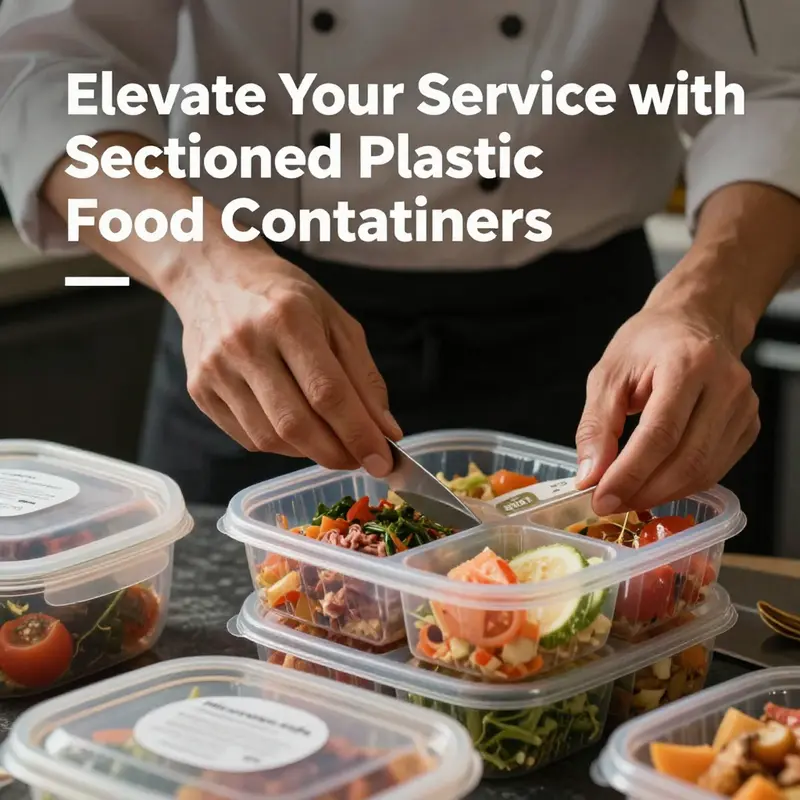
Sectioned plastic food containers have become a quiet backbone of modern eating routines. They promise the practical magic of keeping flavors separate, enabling precise portions, and offering a compact, organized way to transport meals from kitchen to office, classroom, or roadside pickup. Yet beneath the surface of this everyday convenience lies a web of health and safety considerations that influence not only what we eat, but how we store and reheat it. The chapter that follows invites readers to move beyond generic assurances and into a nuanced understanding of how material choices, manufacturing standards, and day-to-day usage shape the safety profile of these containers. The goal is not to alarm, but to empower—so that the act of packing a lunch becomes a mindful, informed habit that supports both personal well-being and responsible consumer behavior.
The materials most commonly used to manufacture sectioned containers— polypropylene (PP), high-density polyethylene (HDPE), and polystyrene (PS)—each carry a distinct set of characteristics that influence safety in everyday use. Among them, PP has become the default for many designs because of its heat resistance, durability, and compatibility with microwave heating. When a container is labeled as microwave-safe and BPA-free, that label should reflect more than a marketing claim; it signals adherence to a set of guidelines intended to minimize the risk of unwanted migration when foods are heated. Yet labeling can sometimes be inconsistent across producers, and not all PP or HDPE products reach the same performance thresholds in real-world conditions. A cautious approach acknowledges that even food-grade plastics are not absolutely inert. The microscopic boundary between container and contents can shift under stress, particularly when exposed to high temperatures, fatty or acidic foods, or storage durations that extend beyond typical meal-prep timelines.
A related safety concern centers on the issue of chemical leaching. A growing body of research notes that plastics used in food contact are not entirely inert. A 2024 review published in a major medical information repository highlighted that plastic containers may release varying levels of metals and other chemicals into stored foods, especially when subjected to heat or prolonged contact. The implication is not that every meal stored in a plastic container will become toxic, but that the potential for migration exists and is modulated by the quality of the plastic, the presence of any coatings, and the specific conditions of use. In this context, the toxicological anxiety most often attaches to older or lower-quality plastics that rely on additives such as plasticizers or stabilizers to achieve the desired properties. PVC-based plastics, in particular, have drawn attention due to their use of phthalates and other additives that, in animal studies, have shown adverse reproductive or developmental effects. Although many common plastics used for food packaging—PET and PE, for instance—do not require plasticizers and are generally considered safer when properly labeled, the overarching principle remains clear: heat, acidity, and fat content can influence the degree of any leaching that occurs, and low-quality or misused containers are more vulnerable to these effects.
To mitigate these risks, regulators and manufacturers emphasize compliance with established food-contact standards. In practice, this means materials are designed and certified to meet regulatory expectations for leaching under typical household conditions. For example, regulatory bodies in various jurisdictions require that containers intended for food contact demonstrate compatibility with common foodstuffs, resistance to typical cleaning processes, and stability under microwave or freezer use where applicable. Certification frameworks, such as FDA guidance in the United States, provide a baseline assurance that a given plastic is suitable for contact with food. At the same time, the existence of a certification does not guarantee perfect performance in every use scenario; a container that is perfectly acceptable for cold storage may not be appropriate for repeated high-heat reheating, and a container that has performed well in the microwave for a few cycles may degrade after extended use. This nuance is especially important for households that rely on meal-prep regimes, family-sized portions, or frequent travel where containers experience varied temperatures and handling conditions.
Alongside material composition and regulatory conformity, the physical design of sectioned containers plays a substantial role in safety and practicality. A number of containers are engineered with leak-proof or airtight lids, interlocking edges, and stackable forms that support efficient storage and reduce the risk of spills during transport. These design features contribute positively to safety by preserving food integrity, reducing contamination from external environments, and limiting the exposure of contents to air that can accelerate microbial growth or odor transfer. However, the protective benefits of a sealed lid depend on the ongoing integrity of the lid and seal. Over time, repeated heating cycles, exposure to sunlight, or aggressive dishwasher detergents can warp or crack lids, diminishing their seal and creating new avenues for leakage or chemical migration. In other words, a seemingly robust container can become a safety liability if its closure system degrades, underscoring the importance of inspecting lids and seals for signs of wear and choosing models whose glass-clear lids and gaskets withstand routine use.
Dishwasher safety is another practical axis along which safety is tested. Some sectioned containers tolerate dishwasher cleaning better than others, yet not all are designed to handle the high heat or aggressive detergents that may accompany professional-grade cleaning cycles. Detergents with strong bleaching agents or high temperatures can, over time, accelerate the breakdown of plastic polymers or the deterioration of coatings or labels, which may subtly alter the surface properties that influence leaching. Even when a container is dishwasher-safe, careful loading practices can help maintain its integrity: avoiding contact with metal hard-water items that can abrade surfaces, validating top-rack placement to minimize warp risk, and keeping lids in good condition rather than using worn replacements. In households where dishwashers are a regular cleaning tool, these small steps can meaningfully extend the usable life of a container and help maintain a safer food-contact environment.
The broader environmental and waste-management context also weaves into safety considerations. While PP and HDPE are widely recyclable, the actual recycling rates and acceptance vary by region, facility, and municipal program. This variability matters not only for environmental stewardship but for safety in the sense that end-of-life handling can affect consumer confidence. A container that is dented, cracked, or stained may be earmarked for discard in ways that limit options for reuse and repurposing. Consumers who practice mindful usage—selecting containers with durable construction, confirming recycling compatibility, and replacing worn items—tend to experience a safer, more reliable user experience as well as a lower environmental footprint. This is not merely a question of minimizing waste; it is about ensuring that the lifecycle of each container does not compromise food safety at any point from purchase, through storage and reheating, to eventual disposal.
The practical implications of these safety dynamics become especially salient in settings that rely on portion control and standardized packaging, such as home meal-prep routines or food-delivery workflows. In these contexts, the choice of container affects not only the safety and quality of the food but also the efficiency and reliability of operations. For hot meals, soups, and other heat-intensive items, materials with proven heat resistance, such as PP, are favored precisely because they reduce the likelihood of heat-induced degradation and migration. Yet even with heat resistance, adherence to usage guidelines remains essential. Users should avoid heating non-microwave-safe containers, refrain from heating foods in containers that show signs of wear, and monitor for any odor changes that might indicate material degradation. Moreover, the transparency of many container lids—while helpful for quick content identification—should not substitute for careful inspection of seals and frames. A clear lid that is cracked or warped can obscure the actual condition of the interior seal, which is the first line of defense against leaks and contamination.
A broader health-and-safety practice emerges when considering the human factors at play. The convenience of a sectioned layout can encourage healthier eating patterns by making it easier to plan balanced meals with separate portions for proteins, grains, vegetables, and sauces. Portion control, in turn, aligns with broader public health goals around dietary balance and caloric awareness. The container serves as a physical reminder to maintain variety and moderation in meals, and its capacity for clean, organized storage can reduce the temptation to mix flavors that might otherwise mask spoilage indicators. But this benefit is meaningful only if the containers themselves support safe storage across the typical life cycle of a meal-prep habit. For instance, if a lid warps after multiple uses, not only does it raise spillage risk, but it also increases the chance that food becomes exposed to environmental contaminants or odors. The awaitable outcome is a smoother, more reliable process of planning and consuming meals—one that relies on attention to material quality, proper use, and timely replacement when wear becomes evident.
From a consumer education standpoint, the safety conversation around sectioned containers benefits from clear, evidence-based guidance. Consumers should look for explicit labeling that indicates “food-grade” material and reference to regulatory standards such as FDA compliance in the United States. Labels that reassure users about resistance to leaching under normal use, microwave heating, and freezer storage can help demystify some of the questions that often accompany plastic food storage. Importantly, these labels should be interpreted with an understanding of the limits of safety assurances. The same container that performs well for short-term storage and occasional reheating might not survive repeated cycles of high-heat exposure. In practice, this means adopting a cautious approach: use containers within the scope of their design specifications, rotate older containers into lighter-use roles, and replace items showing wear or discoloration. Even when a container seems perfectly serviceable, it is wise to verify that the lid and walls remain intact, as unseen micro-cracks or degraded seams can quietly undermine safety by enabling leaks or facilitating the transfer of odors and residues between compartments.
The chapter’s synthesis rests on a few core takeaways that help integrate safety into everyday use without sacrificing practicality. First, prioritize food-grade materials and compliant labeling. Materials like PP and HDPE are common because they combine durability with relatively favorable safety profiles, but not all products are created equal. Second, heat and storage conditions matter: elevated temperatures, fatty or acidic foods, and long storage times increase the potential for migration, so adhere to manufacturer guidance regarding microwave use, freezer storage, and dishwasher cleaning. Third, maintain the physical integrity of containers over time. Regularly inspect seals, lids, walls, and interlocking edges, and retire containers that show cracking, warping, or persistent odors. Fourth, balance environmental considerations with safety. While recyclable plastics offer an opportunity to reduce waste, recycling acceptance varies by region, so be mindful of local guidelines and opt for durable designs when possible to extend the container’s life and minimize premature disposal.
In professional kitchens, takeout services, and bulk meal-prep operations, these safety principles become even more consequential. The scale of use amplifies the importance of reliable materials and robust design. Consumers and operators alike benefit from choosing containers with proven resistance to heat, strong seals, and durable construction that withstand repeated cycles of heating, washing, and stacking. Premium aspects such as airtight lids and built-in utensil storage can improve hygiene and convenience, but they should not overshadow the fundamental requirement that the container remains food-safe throughout its entire usage life. It is this integration of material science, manufacturing standards, design practicality, and user practices that underpins a trustworthy and efficient system for meal storage and transport.
Taken together, the health and safety considerations surrounding sectioned plastic food containers do not culminate in a single universal rule. Instead, they invite a thoughtful, condition-specific approach. We can think of each container as a small, controlled environment for storage, where the material choice, the quality of the seal, and the care taken in heating and washing collectively determine the safety outcomes. This is not about perfection in every use, but about consistent, informed practices that recognize both the benefits of segmentation and the potential risks that come with plastic materials. By aligning product choices with regulatory standards, maintaining awareness of heat and storage limits, and adopting prudent replacement habits, consumers can enjoy the benefits of portioned containers while minimizing health concerns.
For readers seeking further scientific grounding on the topic, an external resource provides a detailed, research-based perspective on plastic food container safety and related migration considerations. This resource highlights the nuanced reality that plastic contact materials are not entirely inert and discusses regulatory frameworks, material choices, and safety testing in depth. Access to this external research can support readers as they evaluate products, interpret labeling, and make informed decisions about safe storage practices for their households or operations.
External resource for further reading: https://www.ncbi.nlm.nih.gov/pmc/articles/PMC10826943/
Economics of Sectioned Food Storage: From Cost to Convenience
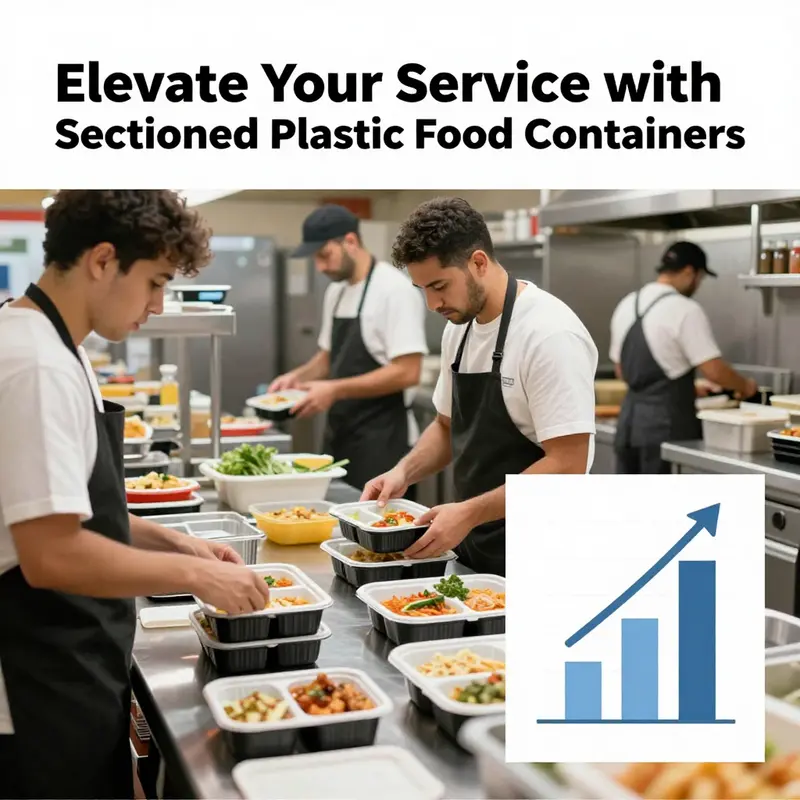
Sectioned plastic food containers play a subtle yet persistent role in how homes, offices, and foodservice operations manage meals. They function as more than vessels; they influence portion control, procurement strategies, waste reduction, and total cost of ownership. The economic footprint spans material choices, manufacturing scale, logistics, and end-of-life considerations, shaping decisions from small cafes to multinational catering programs.
Global demand for compartmentalized containers grows with takeout culture, meal-prep habits, and the need for reliable portioning. Materials like polypropylene (PP) offer heat resistance and durability, while Tritan-based designs promise clarity and longevity for reusable systems. HDPE adds ruggedness and recyclability in many markets, and each material choice informs pricing, weight, and lifecycle performance. The trend toward BPA-free labeling, regulatory scrutiny, and recyclability labeling further impacts consumer acceptance and supplier costs, creating a chain of effects from product design to shelf price.
Beyond materials, the economics of sectioned containers hinge on the cost balance between disposables and reusables. Upfront investment in high-quality reusable sets can be offset by lower per-meal waste, reduced disposal fees, and improved labor efficiency over thousands of cycles. Yet the math is sensitive to cleaning regimes, washing capacity, and the true rate of reuse. Operators optimize through batch processing, standardized portions, and modular designs that minimize replacement when parts wear or break. In large operations, lifecycle cost analyses often tilt toward reusable systems, even if the initial price tag is higher, because savings accumulate across long time horizons and high volumes.
Design innovations—stackable shapes, interlocking compartments, tight-sealing lids, and integrated utensil storage—reduce space, cut handling time, and lower the risk of leaks, all of which contribute to tangible cost savings. The ability to scale storage in warehouses and kitchens translates to lower square footage costs and faster throughput, reinforcing the business case for standardized, compartmented solutions. As sustainability goals gain prominence, buyers increasingly demand traceability of materials, recyclability, and durability, which can drive up upfront costs but may bolster long-term value through extended lifecycles and reduced penalties for waste or noncompliance.
Market dynamics reflect a balance of habits, policy, and supply chains. In regions with robust recycling infrastructure, PP and HDPE containers are more attractive parts of a circular economy, potentially lowering material costs as post-consumer recyclates mature. In markets with weaker infrastructure, suppliers must emphasize durability and reusability to justify prices, while offering guidance on care and end-of-life options. The broader packaging ecosystem—eco-friendly paper alternatives, hybrids, and multiple-material solutions—adds competitive pressure and inspires innovations that keep sectioned containers financially viable within a diversified portfolio. Taken together, the economics of sectioned containers center on lifecycle thinking: upfront capital, operating costs, waste management, and the evolving value proposition of durability, reuse, and recyclability.
Footprints in the Compartments: Unpacking the Environmental Reality of Sectioned Plastic Food Containers
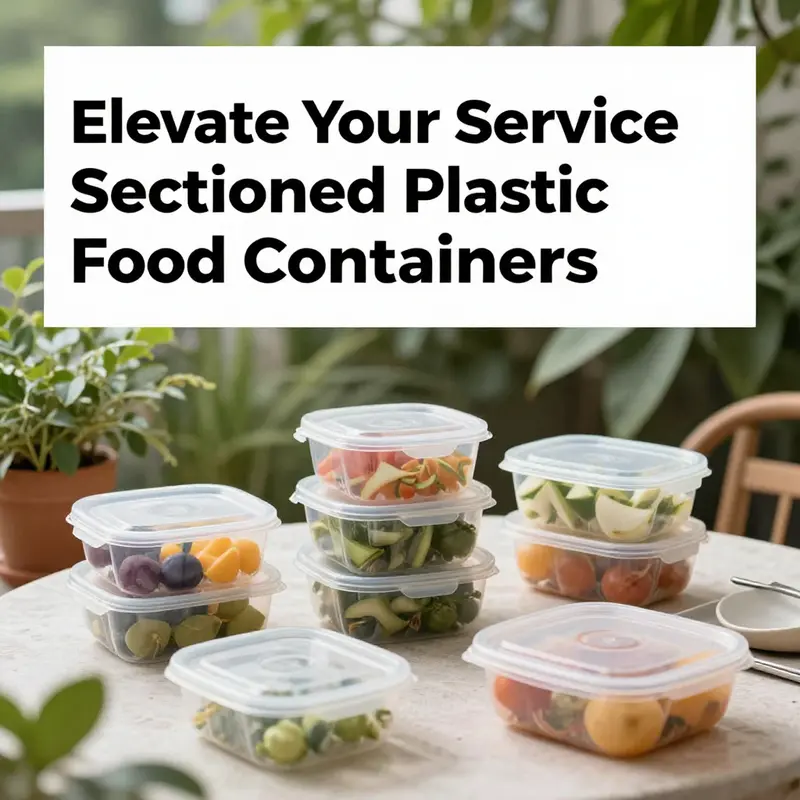
The familiar compartments of a sectioned plastic food container are designed for convenience. They keep sauces from soaking into rice, separate vegetables from proteins, and provide a quick, portable meal in busy kitchens and on crowded desks. The appeal is undeniable: organized portions, easy stacking, and a familiar, recyclable-resistant shell that can travel between home, office, and a take-out counter. Yet beneath this everyday practicality lies a set of environmental questions that complicate the simple math of convenience. To understand the true cost of these containers, it helps to follow their life cycle from raw material to end of life, and to weigh the trade-offs that come with reusability, disposal, and the choice of materials. In doing so, a more nuanced picture emerges—one that recognizes both the value of portion control and the responsibility that comes with measurement of their ecological footprint.
At the heart of environmental considerations for these containers is material composition. The most common workhorses are polypropylene (PP), high-density polyethylene (HDPE), and polystyrene (PS). Each of these polymers is derived from non-renewable fossil fuels, and each carries its own environmental signature. PP is favored for its heat resistance and durability, qualities that make it a frequent choice for reheating meals in microwaves. HDPE is valued for chemical resistance and recyclability, though the realities of recycling are more complex in practice. PS is often used for lighter, disposable applications, but its long-term durability is limited, and its performance under heat is generally poorer. Taken together, these materials reflect a design arc rooted in performance and convenience but with implicit costs tied to resource extraction, energy use, and end-of-life pathways. While it is true that packaging may account for a smaller share of total life cycle emissions for many foods than farming, processing, or distribution, this does not absolve the packaging from scrutiny. The emissions associated with plastic production accumulate across millions of containers used, washed, and disposed of annually, creating a persistent environmental footprint that must be acknowledged if we want to improve sustainability outcomes.
Recycling and waste emerge as another critical axis in the environmental narrative. Sectioned containers often end up in landfills or as litter because the recycling stream is not always prepared for their specific configurations. Contamination—residue left in compartments, food oils, or leftovers—can render a batch unrecyclable, sending otherwise usable material to disposal. Even when materials are recycled, the process is energy-intensive and frequently leads to downcycling, producing plastics of lower quality that are harder to reuse in the same way again. The fate of microplastics is another concern. As containers degrade in sunlight, water, or mechanical wear, tiny fragments can shed and migrate into soils and waterways, posing risks to ecosystems and potentially entering food chains. These microplastics pose a dual challenge: they complicate end-of-life outcomes and raise questions about the cumulative environmental exposure associated with frequent reuse and washing.
The durability and reuse potential of sectioned containers present a double-edged sword. On one hand, their reusability can mitigate some waste if the containers are used repeatedly over years rather than being discarded after a short lifespan. On the other hand, wear and tear—scratches, cloudiness, warping, and seal degradation—can accelerate issues like odor retention, chemical leaching, and microbial growth. The safety of repeated use is not merely a matter of consumer behavior; it is also tied to material performance. Scratches can harbor bacteria, while warping or deformation can compromise seals and lead to leaks. When these problems accumulate, many users replace containers sooner, which undermines the environmental benefits of reusability. In practice, the sustainability calculus becomes a tug-of-war between durability that enables long-term use and degradation that prompts premature disposal. The net effect depends on how often a given container is actually used, cleaned, and maintained, as well as how disposal and recycling are managed in a given region.
This is where the design and lifecycle considerations intersect with regional waste management realities. In theory, PP and HDPE are recyclable in many systems, but actual acceptance varies by geography, processing capacity, and local sorting rules. A container might be technically recyclable, but if it arrives contaminated or if the local facility cannot handle the material, it ends up in a landfill anyway. This dissonance between potential recyclability and real-world outcomes is a crucial part of the environmental conversation. It also explains why some households and institutions resist single-serve plastics in favor of more durable or easily recycled alternatives. The question, then, shifts from “Can this be recycled?” to “How does the local waste system handle this material, and how can users navigate that system most effectively?”
The allure of reuse also invites consideration of alternative materials. For those seeking to minimize plastic consumption, glass and stainless steel offer inertness, long lifespans, and robust end-of-life options. These non-plastic options tend to be more amenable to repeated washing without absorbing odors or harboring scratches, and they can be fully recyclable or endlessly reusable in many contexts. Yet the trade-offs are important. Glass and metal containers are heavier, which increases transport emissions and energy demands during shipping, and they may be more fragile in transit or storage. They also require more careful handling to avoid breakage and injury in busy homes or commercial kitchens. In short, the environmental advantages of breaking away from plastic are balanced by practical considerations around weight, durability, and the energy costs of transporting heavier goods. Consumers and institutions thus face a complex decision landscape: weigh the environmental costs of production and end-of-life against the logistics and safety needs of daily use.
In considering these trade-offs, the design features of the containers themselves cannot be overlooked. The versatility that makes sectioned containers so attractive—interlocking edges for stackable storage, built-in seals to preserve freshness, and even integrated utensil storage—also influences how they are used and how long they last. A tightly sealed, stackable design can reduce food waste by keeping meals fresher for longer and reducing spillage during transport. However, such designs can complicate disassembly and recycling when the container reaches the end of its life. Airtight seals, while beneficial in use, may introduce additional layers of material that are not as easily separated during recycling. This tension between practical performance and recyclability highlights a broader truth: sustainability is not a singular attribute but a system-level outcome shaped by materials, manufacturing, use, and disposal practices all along the chain.
In commercial settings, where portion control and standardized packaging are valued for efficiency and consistency, the environmental calculus takes on additional dimensions. Restaurants, catering services, and take-out operations rely on containers that can withstand hot meals, soups, and sauces while remaining cost-effective and easy to manage at scale. The tendency to favor transparent lids or clear walls stems from a desire to accelerate order picking and reduce food waste through quick visual checks. Yet visibility does not guarantee better end-of-life outcomes. The more components a container has, the more opportunities there are for separation issues and contamination during recycling. In such contexts, environmental impact is not merely the sum of material choices; it also includes operational practices, such as how staff handle leftovers, how thoroughly containers are cleaned prior to recycling, and how well they fit into a region’s municipal recycling stream. In other words, the environmental footprint is mediated by human practices as much as by material science.
The consumer’s role is central to the story, and here education and behavior can tip the scales toward better outcomes. Simple actions—rinsing containers before placing them in recycling, removing always-detachable lids, and reducing frequency of single-use disposables—can meaningfully shift the environmental equation. When households understand local recycling guidelines and the limits of what their community accepts, they can make choices that align more closely with the capabilities of their waste system. Likewise, informed buyers can opt for options that align with broader sustainability goals, such as containers designed for long-term reuse, those manufactured from materials with robust recycling streams, or alternatives that offer a lower overall environmental burden in their specific context.
The broader policy and research landscape reinforces that there is no one-size-fits-all solution. Life cycle assessment studies consistently reveal that the environmental impact of packaging is multifaceted, influenced by raw material extraction, manufacturing energy, distribution, use, end-of-life processing, and the governance of waste streams at the local level. Even so, clear patterns emerge: reducing single-use plastic, encouraging reuse, improving design for recyclability, and enhancing recycling infrastructure all contribute to meaningful improvements. The challenge lies in balancing convenience, safety, and economic viability with the imperative to minimize resource use and pollution. This balance requires collaboration across producers, retailers, policymakers, and consumers who share responsibility for the lenses through which these containers are evaluated.
For readers exploring alternatives to conventional sectioned plastics, the discussion naturally leads to options that can shift the end-of-life trajectory. Among these, kraft paper-based bowls and other paper or pulp-based alternatives are frequently promoted as more environmentally friendly in certain contexts. The take-away is not that plastic is inherently evil, but that packaging choices should be aligned with how waste is managed in a given region, how many times a container is reused, and how its materials respond to cleaning and reuse cycles. The decision-making framework thus becomes one of context sensitivity: in some places, a durable, reusable PP or HDPE container paired with a robust recycling program may outperform a disposable PS option; in others, a properly managed paper-based system could offer advantages in terms of waste generation and end-of-life management. And within this spectrum, consumers can shape outcomes by choosing options that fit their daily routines without compromising safety or food quality.
Ultimately, the environmental reality of sectioned plastic food containers is not static. It evolves with advances in materials science, improvements in waste management infrastructure, and shifts in consumer habits. A future that harmonizes convenience with sustainability will likely feature containers designed for easy disassembly and recycling, materials with lower life-cycle impacts, and a packaging ecosystem that rewards reuse over disposal. In the meantime, making informed choices means recognizing the trade-offs embedded in each use—from how a container is made, to how it travels, to what happens after the last bite. By looking beyond the compartmentalized convenience to the larger system in which these containers operate, we can chart a path toward packaging that supports healthier meals and healthier environments alike.
To readers seeking alternatives that emphasize a循环 approach to waste, consider exploring options like eco-friendly kraft paper bowls for take-away. eco-friendly kraft paper bowls for take-away. These options illustrate how material choices can influence end-of-life trajectories, even as they introduce new considerations around durability, leakage, and transport. Each routes its own balance of benefits and trade-offs, highlighting that sustainability is ultimately a matter of making informed, context-aware choices rather than pursuing a single universal solution. For researchers and practitioners, the ongoing challenge is to quantify and compare these pathways in ways that reflect real-world use, regional waste management practices, and consumer behavior.
External resource for further reading: Environmental Impacts of Plastic Packaging: A Life Cycle Assessment Perspective.
Final thoughts
Sectioned plastic food containers are more than just a storage solution; they are a vital component of modern food service operations. Their features, materials, and safety aspects help meet the high expectations of today’s consumers, while their economic benefits and environmental considerations align with the sustainability goals of businesses. Adopting these containers can streamline your workflow, enhance customer satisfaction, and elevate your culinary offerings, demonstrating a commitment to quality and environmental responsibility.