
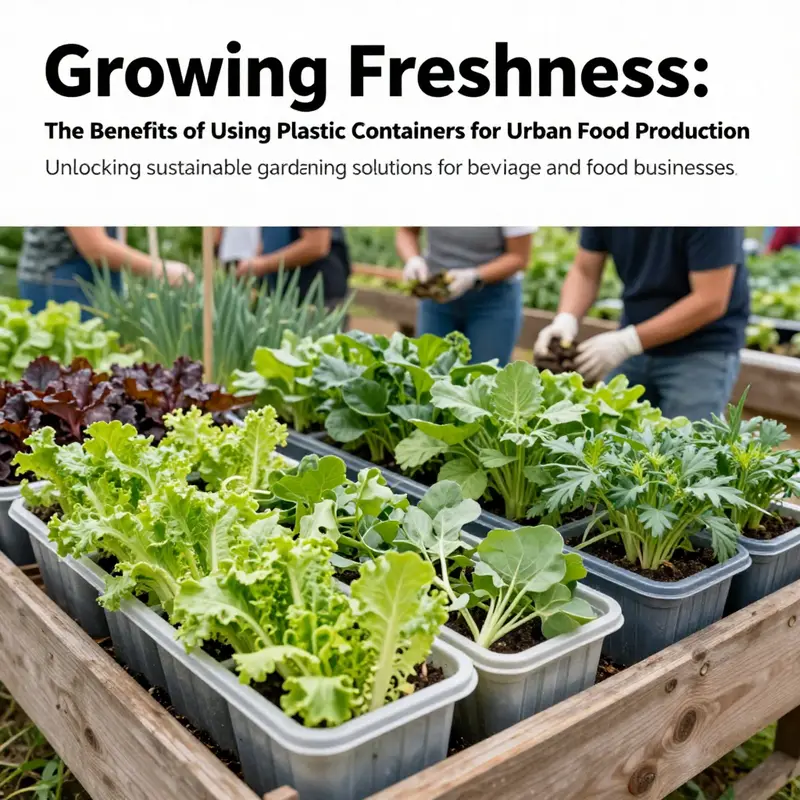
Urban gardening has gained significant traction as businesses strive to reduce their environmental footprint and provide fresh ingredients. For establishments like bubble tea shops, restaurants, food trucks, and catering services, the question arises: Can you grow food in plastic containers? The answer is a resounding yes! Utilizing repurposed plastics not only supports sustainability but also offers a unique opportunity to engage with your community. This article explores safe and effective containers, vital safety tips for food growth, and the diverse types of food you can cultivate, along with their benefits. Dive in to discover how integrating this practice into your operations can enhance your culinary offerings while championing environmental responsibility.
From Bottle Gardens to Balcony Harvests: Safe, Effective Plastic Containers for Urban Food Growing
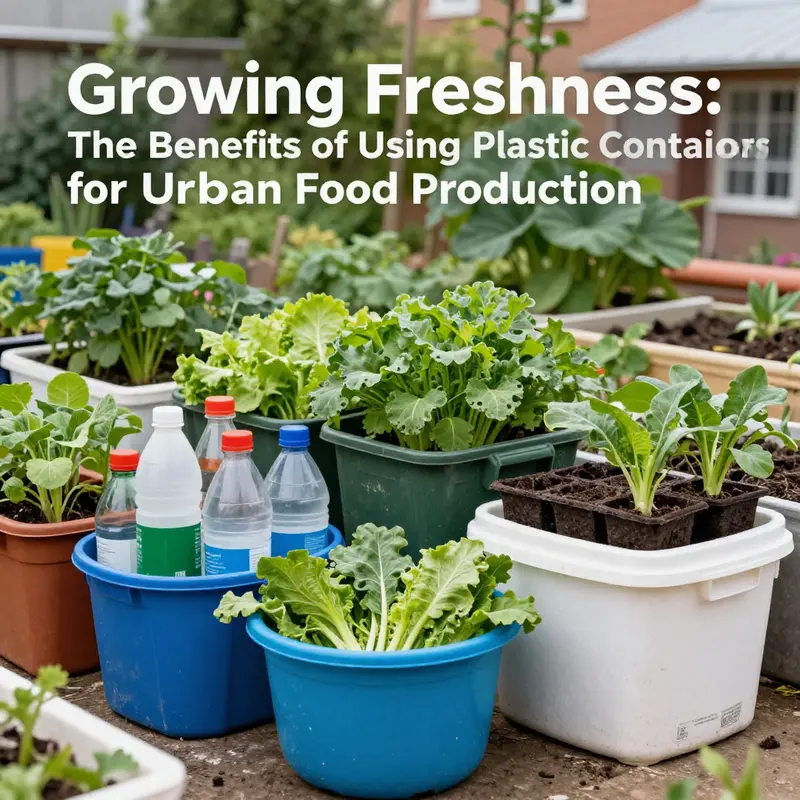
Growing food in plastic containers is not a shortcut; it’s a practical, deliberate approach to urban farming that respects safety, soil health, and ongoing stewardship of the environment. In many cities, balconies, windowsills, and community plots become productive spaces when repurposed containers are used with care. The idea is simple in theory: any container that holds soil, holds roots, and can be managed for drainage can become a micro-garden. But simplicity does not equal carelessness. The difference between a flourishing herb pot and a moldy run of failed greens is often rooted in the choices a gardener makes at the outset: the type of plastic, how the container is prepared, and how it is maintained over time. This chapter walks through those choices in a way that keeps the focus on safety and productivity, so that the practice remains reliable rather than risky. It is about turning common plastic items into dependable growing vessels rather than random, haphazard plant boxes. The result, when done well, is a compact, resilient system that can deliver fresh greens and herbs with minimal fuss and a smaller environmental footprint than many would expect from urban growing.
Choosing the right material matters more than it might appear at first glance. Not all plastics are created equal when it comes to food gardening. The safest options are plastics that are known for chemical stability and food compatibility. In practical terms, the most prudent choices are containers made from food-grade polypropylene (PP) or high-density polyethylene (HDPE). These polymers have long records in food packaging precisely because they resist leaching and degrade more slowly under normal gardening conditions. They were designed to hold safe substances and to withstand routine use, cleaning, and re-watering without inviting dangerous residues into the soil. When you select a container for edibles, the first rule is not to reuse items that previously contained toxic chemicals, pesticides, or non-food products. Even residues can be tricky; a surface that once hosted cleaners or solvents can leave traces that migrate into the soil and, ultimately, into the plants.
Beyond material identity, the condition of the container matters. Cracks, deep scratches, or discolored, brittle plastic are red flags. Over time, plastics can become stressed by heat, sun, and abrasion, and degraded areas may release microplastics or chemical compounds into the soil. For long-term use, consider how the container will age under typical balcony conditions. If you expect intense sun, high heat, or frequent temperature swings, plan to rotate containers or store them in shaded locations during peak heat to slow degradation. In practice, this means evaluating a container’s surface for cloudiness or crazing and choosing options that look and feel sturdy even after a season of use. In addition, ensure that the container is adequately sized for the intended plant. A small pot may restrict root growth for deeper crops, while overly large, unstructured containers can encourage composting failures when drainage is not managed properly.
Preparation is the bridge between selecting a safe material and achieving reliable growth. Cleanliness cannot be overemphasized when reusing a container. Start with hot water and mild dish soap to remove oils, labels, and residues. A thorough rinse is essential because even tiny traces of soap can affect seed germination and seedling health. If the container has a neck or narrow opening, use a bottle brush to reach crevices and ensure nothing remains that could harbor pests or mold. After cleaning, inspect the container again with a critical eye. Look for hairline cracks that could widen as the container heats during summer or as soils shift with watering. This is not merely about aesthetics; cracks can become pathways for microplastics to break loose or for soil to wick out through imperfections, diminishing moisture control and inviting soil erosion. If any signs of degradation are present, replace the container rather than risk plant health. A small upfront replacement can prevent long-term problems and deliver more reliable harvests.
Drainage is equally essential, and it is often the most overlooked factor in container gardening. All plastic containers used for edible crops require deliberate drainage. Without holes, water stagnation leads to root rot and anaerobic conditions that undermine plant growth. The standard practice is to drill several small drainage holes, typically around 0.5 to 1 centimeter in diameter, across the base. The number and placement of holes should reflect the container’s size and the plant’s water needs. A layer of protection over the holes—such as broken pottery shards, window screening, or a piece of mesh—prevents soil from washing out while still allowing water to escape freely. This simple step makes a big difference in how well roots breathe and how consistently moisture is managed. If you’re growing moisture-loving greens or herbs, you may want to consider a potting mix that balances drainage with moisture retention. A well-draining container, paired with a high-quality growing medium, sets the stage for strong germination and steady growth.
The growing medium is more than a filler. It is the environment in which roots explore, feed, and stabilize the plant’s life above ground. For container gardening, use a high-quality potting mix rather than garden soil. Container blends are designed to be light, well-aerated, and capable of holding moisture without compacting. They often combine peat moss or coconut coir with perlite or vermiculite and a measured dose of compost or slow-release fertilizer. This mixture ensures roots have access to oxygen, which is crucial for healthy root systems and vigorous top growth. It also minimizes the risk of compaction because the soil remains loose and penetrable as the plant grows. While soil from a garden can be attractive for its texture, it is usually too dense for containers and can harbor pests and diseases if not sterilized or amended. A carefully chosen potting mix contributes to healthy seedlings, sturdy stems, and flavorful leaves.
Monitoring and maintenance form the ongoing discipline that transforms a good setup into a dependable harvest. Plastic does not automatically mean a risk-free garden; it means a system that requires thoughtful oversight. Periodically inspect the container and the soil for signs of wear, such as cracking, chalky residues, or unusual brittleness in the shell of the container. Temperature fluctuations can accelerate material degradation, so consider moving containers to shaded or cooler areas during the hottest parts of the day in summer. While direct sunlight is essential for photosynthesis, long exposure to intense sun can degrade plastics and alter the microenvironment around the root zone. If you notice cracking, color changes, or drooping in plants that doesn’t align with normal growth patterns, it may be time to retire the container and switch to a fresh one. Soil health is another frontline concern. Test the soil periodically for pH levels if you reuse a container across seasons. Some plastics can influence the soil chemistry over time, and pH fluctuations can affect nutrient availability to crops. While the risk is generally low with PP and HDPE under typical gardening conditions, it is prudent to track pH and adjust with acidifying or alkalizing amendments as needed.
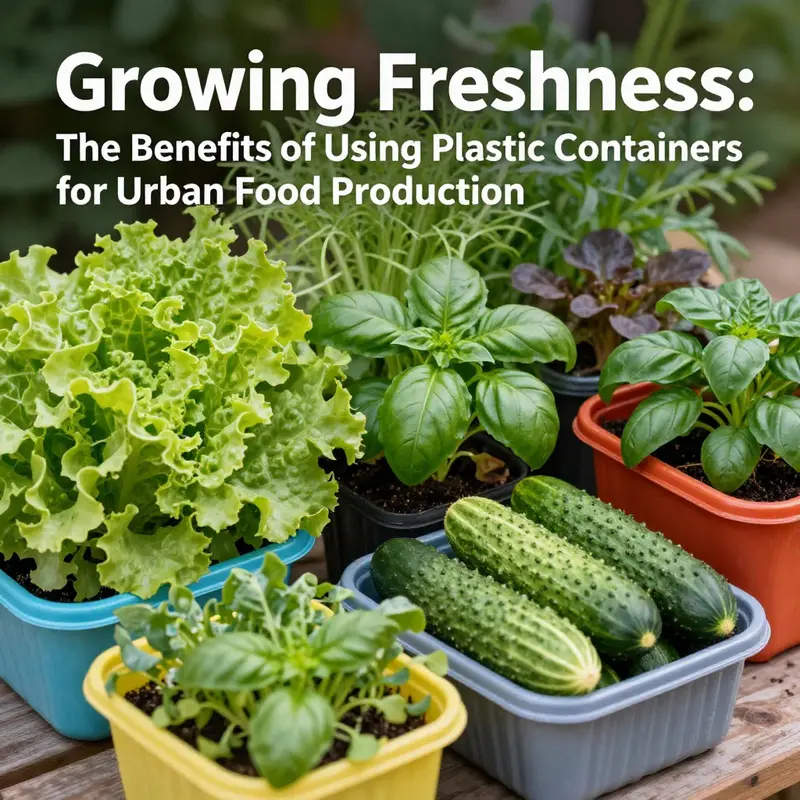
The kinds of crops you can grow in plastic containers are as diverse as the containers themselves. Leafy greens—lettuce, spinach, kale, and chard—do especially well in shallower pots and on window ledges where space is at a premium. Fresh herbs such as basil, mint, cilantro, and parsley thrive in sunlit corners or bright indoor spaces. Root vegetables, when given deeper containers, reward patient growers with crisp radishes and carroty roots. For those who relish the challenge of vertical gardening, vining plants like cucumbers, zucchini, and small pumpkins can be trained on trellises that rise above the pot’s edge, turning a modest balcony into a living wall of produce. Even sprouts have a place in this system: pea shoots and mung bean sprouts can flourish in clean, shallow plastic trays and provide quick, nutrient-dense additions to meals. The key is to match the container depth, width, and stability with the plant’s root architecture and growth habit. A strawberry or tomato crop, for example, benefits from deeper containers and stake support, while radishes and leafy greens lower the risk of water stress in smaller vessels.
The environmental and social dimension of growing food in plastic containers deserves its own quiet reflection. Repurposing plastic waste into planters reduces the volume of discarded materials occupying landfills and waterways. It demonstrates how everyday items can be given a second life in a way that yields nourishment rather than waste. Community initiatives that reuse containers to create vertical gardens illustrate how a shared project can transform a neighborhood’s green space and, at the same time, cultivate a culture of care for the local environment. Bottle Gardens and similar efforts have shown that volunteer-driven projects can expand green space and broaden access to fresh produce. The practical benefits extend beyond food to include education, physical activity, and social connection—neighbors exchanging cuttings, sharing tips on soil mixes, and supporting one another through seasonal changes. In this light, plastic containers do not symbolize waste; they become channels for resilience, creativity, and nourishment.
Safety remains the anchor of responsible practice. The literature and practical guides emphasize a few non-negotiables: use containers with food-grade materials, avoid those previously handling toxic substances, and replace aging containers to maintain integrity. A careful gardener also uses high-quality potting soil, ensures robust drainage, and avoids heat exposure that could accelerate material breakdown. These precautions, when observed consistently, make plastic containers not only convenient but safe for producing edible crops. With proper care and timely replacement—often every six to twelve months, depending on the container’s condition and the local climate—plastic containers pose no significant health risk for growing vegetables and herbs. The claim aligns with recent gardening guidance that stresses safe reuse and mindful handling of heat and UV exposure. The conversation around safety becomes more nuanced when one accounts for the entire lifecycle of a container, including the energy invested in recycling programs, the choices about end-of-life disposal, and the ongoing effort to minimize waste. In practice, this means choosing containers that are designed for long-term use, treating them with care, and embracing substitutions if the material begins to show signs of aging.
In sum, growing food in plastic containers can be a reliable, low-cost pathway to better access to fresh produce for urban households. The essential ingredients are simple and repeatable: select safe, food-grade materials; prepare and inspect the container thoroughly; install proper drainage and use a high-quality growing medium; monitor plants and containers with a regular eye for wear; and be deliberate about what you plant and how you support it as it grows. When these elements come together, a balcony, patio, or shared garden space can sustain a steady rhythm of harvest—the greens, herbs, and climbers that grid the growing season with color and flavor. The practice does more than feed people; it demonstrates that thoughtful reuse of plastic can align with broader environmental goals, showing how a community can repurpose waste into nourishment while fostering hands-on learning and social connection. If you are just starting out, begin with a modest window box or a sunny balcony, and grow a few easy crops to build confidence. As your system proves itself, you can expand to deeper pots for root crops, add trellises for vining plants, and experiment with different potting mixes to optimize water retention and airflow. The result is a resilient, adaptable garden—a small but meaningful expression of care for plants, for people, and for the planet.
External resource for further reading: https://www.theguardian.com/lifeandstyle/2025/jan/12/growing-food-plastic-containers-safe-reuse
Safe Harvests in Small Spaces: Practical, Thorough Safety Guidelines for Growing Food in Plastic Containers
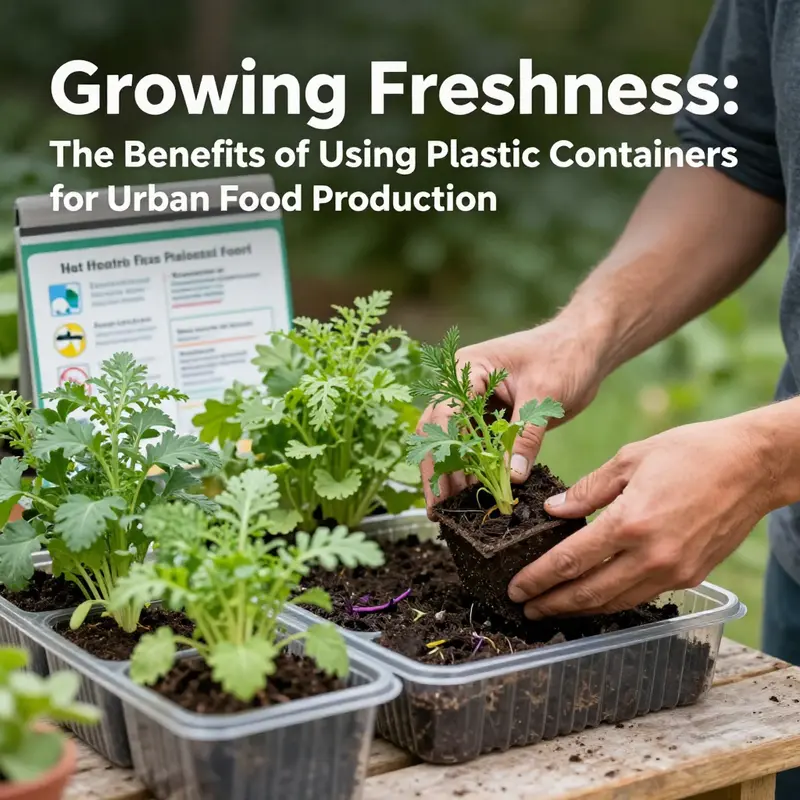
Growing food in plastic containers is more than a clever urban hack; it is a practical, accessible pathway to fresh produce for people who may not have traditional soil plots. When done thoughtfully, it can be a safe, productive, and environmentally conscious way to bridge gaps in access to fresh greens, herbs, and compact roots. The logic is straightforward: containers offer the control of a defined soil volume, the ability to tailor watering and drainage, and the potential to reuse materials that would otherwise clutter a recycling bin. Yet the very material that makes plastics versatile can also raise concerns about safety and health. Leaching, heat buildup, and the gradual degradation of plastics under certain conditions are real considerations. A well-informed approach blends cautious material choice with disciplined maintenance, mindful growing practices, and an ongoing awareness of how environmental factors interact with container design. In this sense, safety is not a one-time checklist but a dynamic practice, woven into every decision from the moment a container is selected to the moment the harvest is rinsed and stored. The narrative here follows that logic, because the strength of container-based growing lies in habits as much as in materials.
To begin, the cornerstone is choosing the right materials. Not all plastic is created equal for gardening, and what matters most is what the container was designed to hold, and how it will be used in a horticultural setting. Food-grade plastics, particularly those made from polypropylene (PP, #5) and high-density polyethylene (HDPE, #2), are the gold standard for growing edible crops. These materials are known for chemical stability and minimized risk of migrating substances under typical garden conditions. They were designed with food contact in mind, so they tend to be less prone to leaching than other common plastics. When inspecting a container, always check the bottom symbol. Containers marked with #3 (PVC) or unclear codes warrant extra caution and are best avoided for food growing. The presence of BPA in some plastics has rightly made gardeners wary, but for many current food-contact materials, BPA-free design complements a broader safety framework. The emphasis is on stability and predictability; if a container carries the right mark, it’s a reliable starting point for a safe growing cycle.
Of course, not every plastic container will bear a pristine origin story. The temptation to reuse bottles, yogurt tubs, or foam boxes can be strong in urban environments where waste diversion is a communal goal. But safety hinges on origin and prior use. Containers that previously held pesticides, motor oils, solvents, or other non-food items can leave residues that are not easily removed by washing. Even thorough cleaning does not guarantee innocence; microscopic residues can remain embedded in the plastic matrix and, under certain conditions, migrate into the soil or the plant’s growing medium. Foam boxes, such as standard polystyrene foam often used for shipping produce, require extra scrutiny. While some horticultural foam boxes are labeled as food-safe, many are not designed for prolonged contact with soil or crops, and their degradation products can become a concern over time. If a foam tray is offered for a garden, confirm it is explicitly designed for horticultural use and labeled as food-safe. When in doubt, charter a course toward containers with well-established food-contact credentials. The investigation into container safety is not about dogmatic avoidance but about informed choice and consistent practice.
Another essential safeguard is vigilance about heat and sun exposure. Plastic behaves differently from natural materials in the face of sunlight and high temperatures. Direct, prolonged sun exposure can accelerate aging and degradation of the polymer, increasing the likelihood that small amounts of additives or breakdown products migrate into soil and water. The practical upshot is simple: keep containers out of harsh sun for extended periods, especially during peak heat. In practical terms this means positioning raised beds or pots where they receive morning light but shade for the hottest part of the day, using reflective covers or shade cloth when needed, and not leaving containers in a car, on a sunny balcony, or near heat-absorbing surfaces. A shaded microclimate helps protect both the container and the crop. Temperature thresholds matter too. While many gardens operate successfully with containers in moderate warmth, temperatures approaching and exceeding sixty degrees Celsius (about 140 degrees Fahrenheit) can stress plastics and compounds. If a container overheats, move it to cooler, shaded spots or provide passive cooling strategies. The aim is to minimize temperature fluctuations that could promote leaching and to avoid sustained heat that weakens the container’s integrity over time.
Preparation and maintenance set the tone for safety across an entire growing season. Before first use, wash new containers with warm soapy water, around 50°C (122°F), then rinse thoroughly and allow them to air dry completely. This step helps remove manufacturing residues, dyes, or additives that may have been incorporated during production. It also helps reduce any initial odors or colors that could indicate particularly reactive substances. Brightly colored plastics, while common in consumer goods, can sometimes contain pigments that release trace metals when exposed to acidic substances or high heat. If you can avoid these, you are reducing one more potential source of risk. When cleaning, don’t neglect the edges where soils and root exudates accumulate. The act of washing becomes part of a broader hygiene practice that protects your plants and your kitchen environment.
Replacing containers is another practical anchor in a safety framework. Plastic is an enduring material, but it is not permanent. UV exposure, chlorine in water systems, soil chemistry, and the very act of root growth can contribute to micro-cracking and clouding. These indicators—cracks, cloudiness, brittleness, or fading—signal that a container has reached the end of its preferred lifespan for edible crops. A widely accepted guideline is to replace growing containers every 1–2 years. In households where children are involved or where crops are particularly sensitive (such as leafy greens or baby herbs), replacing at closer intervals, like every 6-12 months, becomes a prudent habit. This practice isn’t about fear, but about sustaining consistent, safe outcomes. Think of it as renewing a small part of your garden’s infrastructure, ensuring that the container continues to perform as a reliable, inert vessel rather than a potential source of risk.
The medium occupying the container is just as important as the container itself. The growing medium should be clean, uncontaminated, and appropriate for container growing. Options like coconut coir, perlite, and peat-free compost provide good drainage and aeration, reducing the accumulation of standing water that can foster bacterial growth or localized chemical reactions. Avoid soils and substrates from unknown sources that might harbor heavy metals or persistent pollutants. The fertilizers and pesticides used should reflect a cautious, informed approach as well. Organic or certified natural products are often preferable, particularly for home gardens where children or pregnant individuals may be involved. And while the urge to maximize yields can be strong, it’s wise to resist excessive fertilizer application, which can stress plant tissues and alter pH in ways that interact with certain plastics. In this context, the gardener becomes a steward, balancing productive growth with a steady vigil over the chemical and biological environment that sustains life inside a plastic-restrained space.
The choices of crops themselves can subtly influence safety considerations. Leafy greens—lattices of lettuce, spinach, kale, and chard—turn over quickly and require careful attention to moisture, drainage, and wash practices. Herbs such as basil, mint, cilantro, and parsley grow well in containers; their volatile oils and acidity often interact less aggressively with container materials than some root crops. Root vegetables like radishes and carrots need deeper containers to avoid compacting soil and to maintain even moisture; the deeper the root zone, the more carefully you must monitor heat exposure and moisture consistency, because roots can become stressed in plastic interiors with poor drainage. For vining plants such as cucumbers, zucchini, and even small pumpkins, trellises become essential. They enable vertical growth, reducing the volume of soil in contact with the container and helping with air circulation, which in turn mitigates disease pressure. Even sprouts—peas, mung beans—can find a home in clean plastic trays designed for nursery use. The overarching idea remains: choose crops compatible with the container’s dimensions, drainage, and microclimate, and maintain a disciplined routine for water, light, and temperature.
A pivotal thread weaving through these practices is the concept of hygiene and the handling of harvests. Even when all safeguards are in place, good kitchen hygiene remains a nonnegotiable partner to safety. Rinse produce thoroughly under running water before eating to remove dust, microbes, or trace contaminants that may have settled on leaves or roots. This step echoes a broader public-health principle: safety resides not only in the growing environment but also in the post-harvest phase. It also reinforces the practical reality that homegrown food benefits from an intentional cleanliness standard—from the tools used during planting and watering to the surfaces where harvests are cleaned and stored. In many households, a simple routine of washing, separating, and drying before storage can reduce the risk of microbial growth and help extend the shelf life of freshly harvested greens.
The social and environmental dimensions of growing food in plastic containers deserve attention as well. Repurposing containers to create a compact garden is a clear act of resourceful sustainability. In urban neighborhoods, initiatives like Bottle Gardens demonstrate how community involvement can transform discarded items into thriving green spaces. This practice reframes plastic as a temporary vessel for nourishment rather than as a final resting place in a landfill, reinforcing a broader ethos of circular economy thinking. When people see where their food comes from, and when they participate in the process of growing and caring for plants, they often develop a deeper sense of stewardship for the environment and for each other. The safety framework described here aligns with that ethos: it is designed to protect health while enabling community members to share in the practice of homegrown food.
A final, pragmatic note ties safety to the broader standards that guide food-contact materials. Recognizing that local regulations may vary, one can anchor practices to established guidelines and industry standards that specify the kinds of plastics considered safe for contact with foods and certain growing contexts. In many places, these standards incorporate widely accepted principles of chemical stability, resistance to leaching under typical kitchen and garden conditions, and clear labeling that helps consumers avoid materials that pose higher risks. A useful mind-set is to interpret the container as a vessel whose safety is a product of its material, its condition, and the care with which it is used. It is not enough to buy a container labeled as food-grade once; ongoing vigilance—through inspection, replacement, controlled exposure to heat, and clean handling—ensures that the container remains a safe partner in the garden. The combination of careful material selection, prudent use, and disciplined maintenance makes plastic-container gardening not only feasible but responsibly sustainable for many households.
This integrated approach resonates with the broader context of urban food production. It aligns with community projects that repurpose waste for green spaces and fosters a culture of practical experimentation. For those seeking a broader perspective on how to reuse plastic materials safely and effectively, this internal resource offers additional context on sustainable packaging and reuse practices. eco-friendly-recyclable-pulp-2-4-cups-coffee-take-away-cup-holder.
In closing, safety in plastic-container gardening hinges on intentional choices and consistent habits. Begin with the right containers—preferably food-grade plastics that are stable, clean, and free from unknown residues. Protect those containers from heat and prolonged sun exposure, and commit to regular inspections that prompt timely replacements. Choose growing mediums that are clean and well-drained, and select crops that suit the container’s size and microclimate. Maintain hygiene across all stages—from sowing to harvest—and wash produce before eating. Embrace a mindset of stewardship, recognizing that small acts of care—washing, pruning, rotating crops, and refreshing containers—add up to safer, more reliable yields. If you carry these practices forward, the tiny garden in a plastic vessel becomes a robust source of freshness, resilience, and connection to the spaces we inhabit. It demonstrates that safety and sustainability can advance together, turning modest urban corners into productive, nourishing landscapes.
External resource: For a broader exploration of safety guidelines and evolving recommendations around growing food in plastic containers, see The Guardian’s 2025 Gardener’s Guide to Safe Reuse, which discusses how proper care and periodic replacement help minimize health risks associated with plastic container use in vegetable production. https://www.theguardian.com/lifeandstyle/2025/jan/12/growing-food-plastic-containers-safe-reuse
null
null
Final thoughts
Growing food in plastic containers represents a proactive approach for businesses in the food and beverage sectors to contribute to sustainability while providing fresh ingredients. By selecting safe containers, adhering to essential safety tips, and exploring various food crops to cultivate, enterprises can reap not only the nutritional rewards but also serve as a model of environmental stewardship. As urban spaces become increasingly vital for food production, leveraging plastic waste can transform your establishment into a pioneer of green practices — proving that freshness and responsibility can thrive together.