
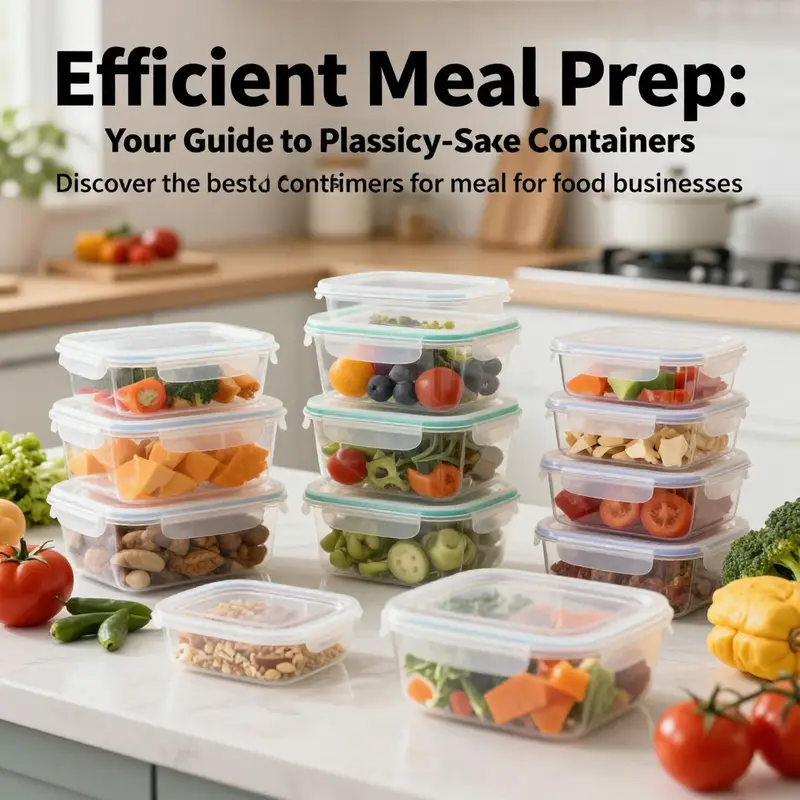
In the bustling world of food service, efficiency and safety are paramount. As bubble tea shops, restaurants, food trucks, catering services, and corporate procurement teams strive to enhance their operational capabilities, the reliance on high-quality food prep plastic microwave-safe containers has become more significant than ever. These containers not only facilitate meal preparation and storage but also ensure the safe reheating of food. This article explores various aspects of plastic microwave-safe containers tailored for the food industry, covering types, material properties, associated benefits and limitations, and economic considerations to provide businesses with insights for making informed decisions that align with their unique needs.
Types and Truths: Navigating Microwave-Safe Plastic Containers for Smart Meal Prep
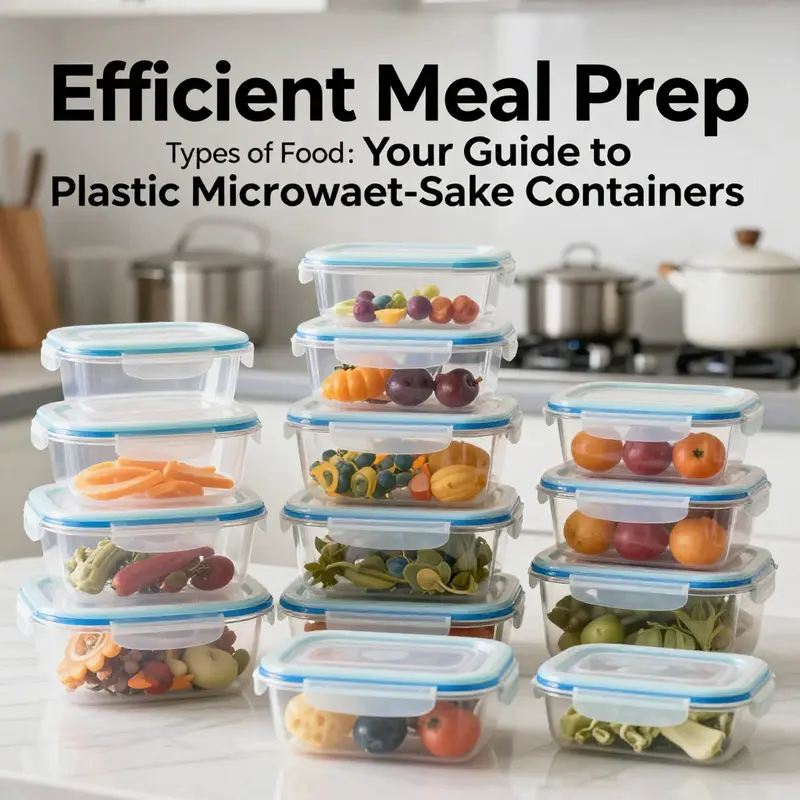
In the modern kitchen, the humble plastic container has become a trusted partner for planning, storing, and reheating meals. The microwave-safe label promises a simple promise: food heated quickly, without the container warping, melting, or seeping chemicals into the dish. Yet beneath the surface of that label lies a spectrum of plastics, each with its own heat tolerance, safety profile, and practical quirks. For anyone who builds a week’s worth of meals on a Sunday, understanding that spectrum is not a luxury; it is a foundation. The right container supports flavor, texture, and nutrition, while the wrong one can compromise safety and quality in subtle, cumulative ways. The story of microwave-safe plastic containers is therefore less a single rule and more a careful alignment of material science, design, and everyday use. At the center of that alignment sits a simple, sometimes overlooked truth: not all plastics are created equal when heated, and the label alone cannot guarantee safety unless it points to a specific, reliable material with a proven heat resistance.
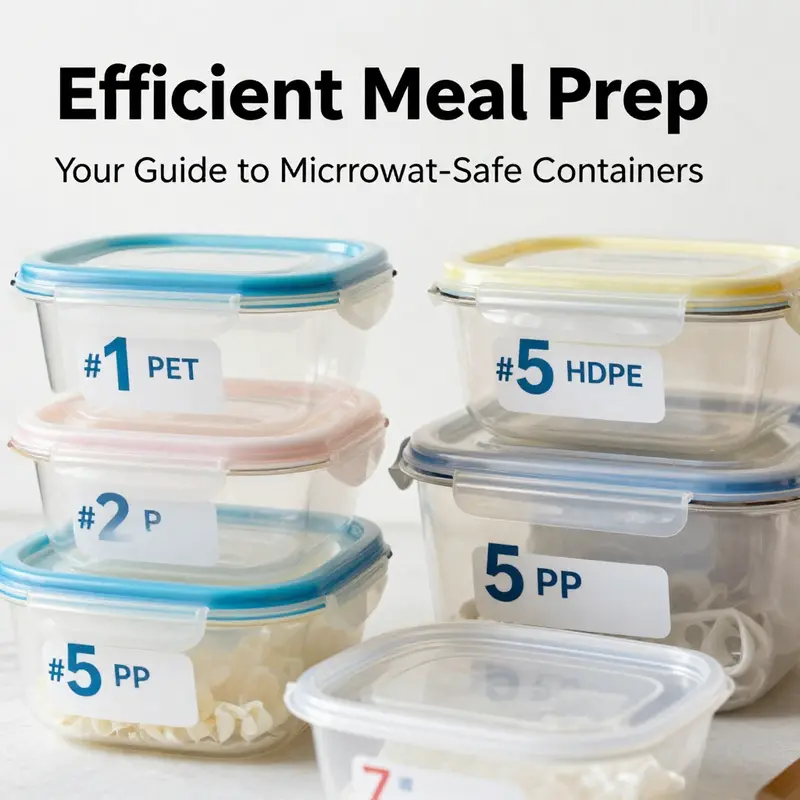
To begin with, the material most researchers and safety guidelines highlight as consistently reliable for microwave heating is polypropylene, the plastic type known as #5 PP. When a container bears the recycling symbol #5 or carries the explicit “Microwave Safe” designation right on the container, you are looking at a material designed to withstand high temperatures without softening or releasing unhelpful byproducts during typical reheating. Polypropylene’s heat resistance is notable enough to handle temperatures well above the boiling point of water, which makes it well suited for reheating soups, stews, sauces, and leftovers that come from a cooking process that reaches simmer or higher. The practical implication is straightforward: for containers that you reuse in the microwave, PP is the most consistently reliable option in the realm of plastic. This does not mean other plastics are universally unsafe; it means they require much more careful handling, and many common containers in kitchens are not designed to be heated to the same degree or kept for repeated cycles without risk.
The emphasis on #5 PP is not just about a recycling code; it is about a verified capability. When you pick up a container that is clearly marked with #5 or the formal “Microwave Safe” symbol, you are choosing a product that has been engineered and tested for heating. The design considerations that accompany this selection include heat-stable walls, a lid that can vent rather than trap steam, and a seal that remains effective across multiple cycles. The lid is not a mere afterthought. It is part of the system that keeps food fresh and prevents leaks while still allowing safe venting. A lid that locks in place with a tight seal may seem perfect for storage, but in a microwave, it can trap steam and pressure. A vented lid, within reason, can accommodate the release of steam without compromising safety. The lid, in other words, is an integral element of safety, not a detachable accessory that you ignore once heating begins.
Food storage containers, soup containers, and compartmentalized packages are three common archetypes you will encounter in the market. Each uses the same PP-based approach for heat resistance but is tuned for specific tasks. Food storage containers with clear, airtight lids excel at keeping leftovers crisp and accessible. Their transparency is more than cosmetic; it reduces the need to open multiple containers to identify contents, thereby limiting exposure to air and moisture loss that can dull flavors and alter textures. The airtight seal minimizes leaks, which is especially valuable for workplace lunches or on-the-go meals. Clear lids also help minimize the time spent decoding what’s inside—a small but meaningful efficiency that adds up for busy households.
Soup containers, by contrast, are built with thicker, more heat-resistant plastics designed to handle hot liquids and the stress of thermal shock. Heating soup or sauce directly from the fridge requires a material capable of withstanding sudden temperature changes without cracking or warping. Bouillonnant steam or a quick transfer from freezer to microwave can place stress on any container. The best soup containers are designed with this reality in mind: their walls retain shape, their seals stay intact, and their interiors remain free from warped corners that could harbor leftover food or become difficult to clean. In a pantry filled with a variety of kitchen tools, a well-designed soup container stands out because it remains both functional and durable across years of reheating cycles—and it does so in a way that preserves the quality of the broth, the color of the vegetables, and the consistency of a thick sauce.
Compartmentalized containers, often called bento-style sets, address a different facet of meal prep: portion control and balanced meals. These containers are particularly popular among people who plan meals around protein, carbohydrates, and vegetables. The design challenges here revolve around keeping separate components from mingling while still allowing convenient reheating. A well-made PP-based compartmentalized container uses rigid dividers and well-sealed lids to maintain the integrity of each component, so a grain-based side doesn’t absorb the flavor of a sauce-laden protein. The result is a practical, visually clear meal that looks similarly fresh after reheating, not a jumbled mix of textures that loses appeal in the microwave. The same principle applies to the transparency of the lid and container; being able to see the contents quickly reduces the temptation to overheat by guessing time, which can degrade texture and taste.
But the story of microwave-safe containers is not a tale of a single material. It is also a cautionary guide about what not to assume. The kitchen is full of familiar shapes and designs that may look like they belong in the microwave but do not. The initial rule is clear: trust the container’s labeling, especially for the material type, and don’t rely on external packaging alone. PET, the #1 plastic common in beverage bottles, is not a safe bet for heating. While PET’s visibility and clarity can be appealing, its heat tolerance is insufficient for reliable reheating. Heating PET can cause warping and, in some cases, may contribute to the migration of additives when exposed to higher temperatures than those encountered during typical storage. The line is simple: if a container’s primary use is beverage storage, do not attempt to microwave it, even if the outer packaging suggests it might be compatible with plastics designed for household use. The same logic should apply to PS, PVC, and LDPE in heated contexts. Each of these plastics presents a distinct risk profile, from the potential release of styrene with PS to the leaching of phthalates with PVC or the melting risk associated with LDPE when faced with prolonged microwave exposure.
The caveat about “what’s safe” extends to the lid itself. In some cases, the body of a container might be labeled as #5 PP, yet the lid is made from a different material that does not share the same heat tolerance. This misalignment creates a trap for unwary users: they heat with the lid on, thinking they are following the safety guidelines, only to find the lid warping, cracking, or releasing odors into the heated food. The practical takeaway is straightforward: always check both the body and the lid for the same “Microwave Safe” designation. If either part lacks a clear label, it is safer to remove the lid before heating or to use a vented lid that is explicitly designed for microwave use.
The broader safety practices extend beyond labeling. Even with the right material, the heating process itself requires attention. Never seal a container tightly for heating. Steam builds up quickly, and pressure can escape through vents or, in worst cases, through the altered seal of a rigid lid. Leaving the lid slightly ajar or venting through built-in vents reduces the risk of explosions or deformation. This approach also protects the container’s edges and the seals, which can degrade over time with repeated exposure to heat. For foods with high fat content or sugar, the risk of warping can be greater because these components heat more aggressively and can soften filling materials faster. The guidelines are simple, but the stakes are real: a degraded container is more likely to leak, to warp, or to impart off flavors into the next batch of foods stored inside.
Another important practical dimension is the compatibility of containers with other parts of a kitchen workflow. The most versatile options are often labeled not only as microwave-safe but also as freezer-safe and dishwasher-safe. Freezer compatibility matters because a freezer-friendly container may be subjected to stress from rapid temperature changes when placed in the microwave after being frozen. If the same container bears “Microwave Safe” and “Freezer Safe” together, you have a broader range of use cases. Still, a note of caution is warranted: a container that is safe for freezer storage does not automatically guarantee that it is ideal for heating. Freezer conditions can stiffen plastics, whereas microwaving introduces heat and moisture; the combination of the two can cause material fatigue. The best practice remains to confirm the exact heating guidelines provided by the manufacturer and to follow them consistently.
A practical dimension to consider is economy and procurement. Bulk sourcing offers maverick savings, but it also invites questions about durability and sustainability. Some wholesale suppliers advertise strikingly low prices per piece for large orders, reflecting the economies of scale rather than the peace of mind of a premium product. In the long run, it is worth investing in higher-quality containers with robust seals, better heat resistance, and clearer labeling. The upfront cost tends to pay off through fewer replacements, less odor retention, and better performance after repeated heating cycles. For home cooks, couples, and small families, the combination of a clear set of PP-based containers with vented lids can support a streamlined routine where leftovers are ready to reheat with minimal fuss and maximum consistency.
Beyond the kitchen, there is a broader conversation about what we choose to store and heat in. Plastic, when well understood and well used, offers lightness, affordability, and convenience that are hard to beat. But it also invites a conversation about alternatives and trade-offs. Glass, for example, may be chemically inert and extremely durable, but it weighs more and can be less forgiving in terms of dishwasher and microwave handling. The discussion about safety, though, is not a binary one. It is about a judicious mix of materials and practices that keep meals tasty and safe. For many people, the decision rests on three pillars: reliability of the label, suitability for heating under typical household conditions, and the container’s ability to maintain flavor and texture without absorbing or imparting odors. When you combine these factors with routine checks for the correct material, you create a practical framework for meal prepping that stands up to the week’s demands.
For readers who are curious about alternatives and related packaging choices, there is a useful point of comparison. Some packaging options in the marketplace foreground kraft paper bowls and other fiber-based designs as a conscious deviation from plastic. These products may appeal to those who want to reduce plastic use or who seek a surface that can stand up to reheating, at least in some configurations. If you are evaluating your options and curious about sustainability in packaging beyond plastics, you can explore examples like disposable octagonal box restaurant food kraft paper packaging, which represents a different approach to serving and reheating foods in a way that emphasizes material choice. This kind of packaging is often designed for takeout and single-use contexts, but it also highlights the broader landscape of food-contact materials and how design choices intersect with safety and performance. For a direct look at that packaging option, see this page: disposable octagonal box restaurant food kraft paper packaging.
In sum, the pathway to confident use of microwave-safe plastic containers begins with a clear understanding of material science, embodied in the PP designation. It continues with careful attention to labeling on both the body and lid, mindful handling of heat, and a disciplined approach to venting and timing. It also invites a pragmatic openness to alternatives when appropriate. The objective is not to demonize plastics but to harness their strengths while navigating their limits. A well-chosen PP-based container can support a disciplined meal-prep routine that emphasizes safety, convenience, and the preservation of flavor and texture across multiple reheating cycles. The deepest takeaway is simple: when you see #5 PP or a clear “Microwave Safe” label on the container itself, you are looking at a product that has been designed for heating and reusing. When you do not, the safest choice is to reserve that container for cold storage or for non-mmicrowave tasks.
External resource: For authoritative guidance on labeling and safety standards, consult the FDA’s microwave-safe labeling guidance at https://www.fda.gov/food/food-contact-materials-ingredients-and-packaging/microwave-safe-labeling.
Heat, Health, and Handling: The Material Truth Behind Microwave-Safe Plastic Food-Prep Containers
Polypropylene, the workhorse of microwave-safe food-prep containers, forms the backbone of how modern kitchens store and reheat meals with confidence. Its popularity rests on a pragmatic blend of heat resistance, chemical safety, and practical design features that make daily meal prep more predictable and less messy. In the hands of careful manufacturers, polypropylene (PP) is engineered to withstand the rhythm of a busy kitchen: it can tolerate repeated microwaving, it resists warping, and it provides a relatively clear, durable surface for labeling and visibility. This material is commonly identified by the recycling code #5, a label that already signals to users and recyclers alike that the container belongs to a family designed for heat exposure and everyday reuse. Yet the story of polypropylene in microwave-safe containers is more nuanced than a single label or a single temperate threshold. It rests on a matrix of regulatory compliance, evolving safety research, and the realities of industrial production that together determine how well a container performs in real kitchen conditions.
Among the most important properties is heat resistance. PP can typically withstand temperatures up to about 120°C (248°F) without warping or losing its shape. That performance boundary matters because microwaves heat food by exciting water molecules, and the plastic surrounding the food experiences a rapid rise in temperature. A container that warps or deforms under this regime can compromise the seal, leak contents, or allow hot food to leak onto skin or the microwave cavity. The same property that makes PP practical for reheating also makes it a candidate for structural features such as reinforced walls. Many containers designed for hot soups and stews incorporate thicker walls or special geometries to manage thermal shock—the sudden temperature shift that can crack or stress weaker plastics. In short, the material’s heat tolerance supports both function and safety when a user needs to reheat a prepared meal quickly.
Compliance is the other pillar. PP containers used in the United States are commonly designed to meet regulatory standards for food-contact materials. The FDA’s guidance on polypropylene, codified under 21 CFR §177.1520, establishes a framework for substances that come into contact with food. This compliance is not a guarantee of absolute safety in every conceivable scenario, but it is a baseline expectation that a reputable product will meet specific, enforceable criteria for safe contact with food under typical conditions of use. The BPA-free status of most PP food containers is a key selling point for many consumers. Bisphenol A has been a concern for decades, and industry practice has moved toward eliminating BPA from most consumer plastics. PP is widely marketed as BPA-free, addressing at least one of the long-standing public health questions about safety in the microwave. Yet the broader safety conversation does not end with BPA. Even while BPA-free, some plastics can release other substances when heated. Phthalates and microplastics are topics of ongoing research, especially as plastics are exposed to heat over repeated cycles or used to heat foods high in fats and oils. While the risk profiles differ, the core message remains: polypropylene is safer than many alternatives in wide use, but it is not an absolute guarantee of risk-free heating.
The practical features of PP containers extend beyond heat resistance and regulatory compliance. The design typically emphasizes airtight seals with secure, spill-proof lids. A well-executed seal minimizes air exchange, reducing the chance of odor migration and helping to preserve freshness. The transparent design, another hallmark of many PP containers, not only lets users see what is inside but also aids inventory management in busy households or kitchens. Transparency, combined with a reliable seal, supports meal-prep workflows by letting cooks see portions at a glance and by keeping leftovers visually identifiable. The ability to stack containers without sacrificing stability is another practical benefit, translating into more efficient storage and less clutter in refrigerators. In the realm of hot liquids, certain PP containers are engineered with reinforced walls or specific lid features to resist thermal shock and to prevent cracking when hot soups are carried or reheated. Each of these design considerations is, in essence, a response to the everyday demands of meal prep: speed, reliability, and cleanliness.
Despite these strengths, limitations persist. Lids can warp after repeated microwaving, especially if subjected to overheating or poor venting. Odor retention is another common complaint; certain foods with strong flavors can leave a lingering impression in plastic, making subsequent uses less pleasant even if the container remains intact. Not all polypropylene products are designed for freezing. While many are labeled as microwave-safe and dishwasher-safe, freezer compatibility is not universal. Freezing can alter the mechanical properties of plastics, making it important to verify the product specifications if a user plans to store meals long term in the freezer. And, crucially, while some suppliers emphasize the reuse of materials as a sustainability metric, cost-cutting practices can lead to recycled or blended resins that compromise performance and safety. Sound material compliance and rigorous quality control become critical here. The temptation to lower costs by skimping on resin purity or by shortening testing cycles can manifest as subtle changes in clarity, a higher rate of lid warping, or reduced seal integrity over time. For buyers, this underscores the importance of sourcing from reputable manufacturers who publish clear material compliance data and who engage in robust quality assurance.
The landscape of alternatives also matters. Glass remains a strong counterpoint to plastic for many users who seek chemical inertness and long-term durability. Glass is less likely to leach substances into food and tends to hold up well to repeated heating and cleaning. Yet glass brings its own constraints: weight, fragility, and sometimes higher upfront costs. Plastic’s advantages—portability, lighter weight, and cost-effectiveness—remain compelling for households, offices, and institutions that require bulk purchasing. The choice between PP and glass will often hinge on the context of use: whether the priority is everyday portability and affordability, or long-term inertness and permanence. Some users also consider alternative packaging formats for particular meals, such as paper-based or composite containers, which may offer environmental benefits or different performance characteristics. For readers exploring such paths, it is useful to see how packaging options interrelate with safety, convenience, and sustainability goals. For instance, readers might explore eco-friendly paper-based options like corrugated ripple-wall cups with lids as a comparative approach to handling hot beverages or soups without plastics. This kind of exploration can be guiding for those who want to diversify their toolkit for food storage and service. For readers curious about alternatives within packaging design, consider this option: eco-friendly corrugated ripple-wall paper coffee cup with lid.
Material choice and performance are deeply connected to supplier practices and the broader supply chain. The most reliable PP containers come from brands that clearly label their products as microwave-safe and provide explicit notes about freezer or dishwasher compatibility. The labeling isn’t a mere marketing flourish; it reflects the results of internal testing and external standards compliance. When a container is marketed as microwave-safe, it suggests that the material has been tested for the typical conditions a consumer might encounter: the level of microwaving, the average food temperature, and the integrity of seals under heat. The world of wholesale and bulk purchasing adds another layer of complexity. Some suppliers offer customizable options in a range of sizes—from compact 450 ml to larger 1300 ml capacities—along with color options. The flexibility is valuable for both consumer meal prep and commercial use, where consistent portioning, labeling, and presentation are part of daily operations. Yet this flexibility must be balanced with assurances about material quality. A smart buyer will request material compliance documentation, scrutinize the origin of resins, and seek suppliers that demonstrate traceability and independent testing. In this context, the safety calculus extends beyond a simple heating tolerance. It includes the lifecycles of the plastics, how they are washed and reused, and how they behave after exposure to repeated microwaving cycles.
In thinking about the long arc of material choices, it helps to acknowledge that polypropylene, while dominant, is not a universal solution. The research landscape continues to explore how to minimize leaching risks, how to reduce microplastics formation, and how to preserve the integrity of seals across repeated use. The consumer-facing takeaway is practical: seek products with clear safety labeling, verify the scope of microwave use, and be mindful of the number of cycles a container experiences before lattice fatigue or seal degradation might occur. It also means recognizing the trade-offs inherent in any single material system. Plastic offers lightness, cost efficiency, and the convenience of portable meal prep; glass offers chemical inertness and durability; and paper-based options represent a different category altogether, often aimed at single-use convenience with deliberate end-of-life choices in mind. None of these paths are a flawless solution; each carries a distinct set of considerations for safety, performance, and environmental impact. The evolving dialogue about plastic safety, regulation, and consumer behavior continues to shape how households and institutions choose containers for reheating and storing food.
Care and use guidelines, though sometimes overlooked, illustrate how material properties translate into everyday outcomes. The best practice starts with a careful reading of product specifications, especially regarding heat tolerance, sealing capability, and whether the item is rated for freezer use or dishwasher cleaning. Gentle handling after microwaving helps preserve seals and structural integrity—allowing containers to cool before stacking, avoiding aggressive scrubbing that can wear away rims, and resisting the urge to reuse damaged lids or warped bases. A simple habit like venting lids during microwaving can reduce pressure buildup and prevent accidental leaks. While such steps may seem obvious, they reflect an understanding that the performance of PP containers depends not only on the raw material but on how users care for the items over time. In the long run, well-chosen, well-maintained containers contribute to safer reheating, cleaner storage, and smoother meal-prep routines. This is where the science of material properties intersects with practical kitchen wisdom.
From a procurement perspective, the strength of polypropylene as a material is amplified when buyers engage in due diligence with suppliers. Ensuring that the manufacturer adheres to robust quality-control standards reduces the likelihood of off-spec resins or inconsistent performance across batches. It also helps guard against situations where cost-cutting measures, rather than continued safety testing, govern product selection. The broader implication is clear: safe, reliable microwave-safe containers depend on a combination of sound material science and responsible supply-chain practices. The user’s experience—whether in a bustling cafeteria, a family kitchen, or a corporate lunch program—reflects this combined emphasis on performance and accountability. As the field advances, ongoing research into alternative polymers, surface treatments, and recycled-content resins may shift the balance between safety, cost, and environmental impact. For now, polypropylene remains a practical, widely used material that has proven its value in countless meal-prep workflows, provided that users and manufacturers alike stay attentive to labeling, testing, and real-world performance. To place this chapter in a regulatory and scientific context, regulators and researchers continue to monitor how heat, contact surfaces, and repeated use interact with plastics, with the FDA serving as a touchstone for what constitutes acceptable food-contact materials. For readers seeking authoritative guidance on polypropylene compliance, the U.S. FDA offers detailed resources on food-contact materials and the standards for safety and performance that underwrite these everyday products. External readers may consult the official guidance here: https://www.fda.gov/food/food-contact-materials-issues/food-contact-materials-and-food-packaging. This external reference helps to frame the conversation around material properties, safety, and the evolving expectations for household and commercial containers.
Balancing Convenience and Caution: The Real-World Pros and Cons of Microwave-Safe Plastic Food Prep Containers
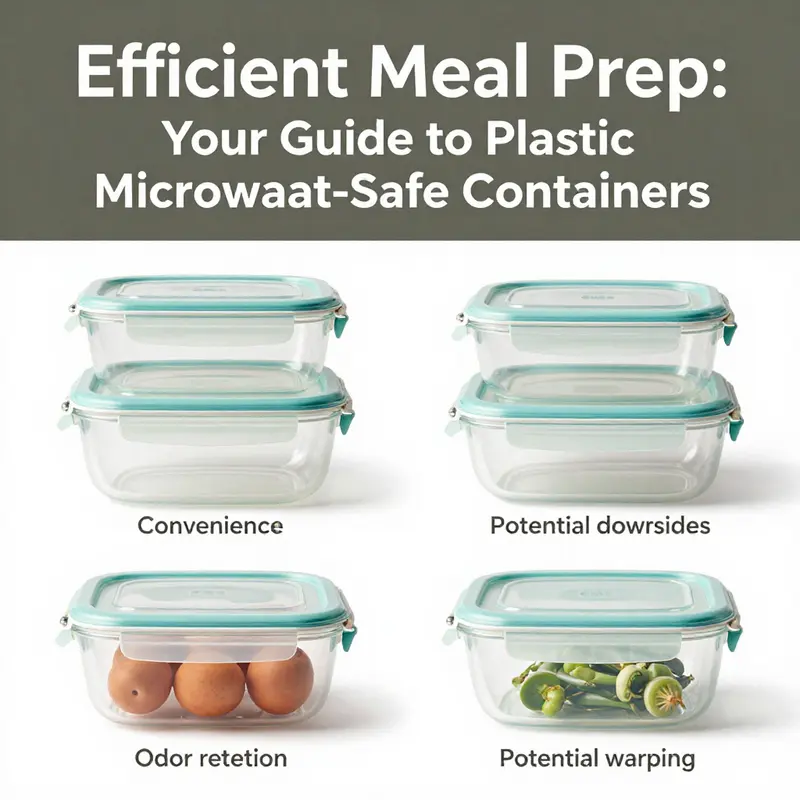
When people plan meals, the goal is simple: cook, store, reheat, and eat without waste or fuss. Microwave-safe plastic food prep containers have become a quiet backbone of that workflow. They promise a clean handoff from chopping board to cooking surface, from fridge to table, and back to the fridge again, all with a single vessel. They are designed to withstand the heat of a microwave, to hold liquids without leaking, to keep sauces and grains in their lanes, and to be light enough to carry to work, to a classroom, or on a trip. In practice, these containers deliver a steady stream of practical benefits that can transform everyday routines when used with awareness. Yet like any tool, they come with limits that deserve careful attention. The chapter that follows threads together the tangible positives and the legitimate caveats, offering a grounded perspective on why these containers have become fixtures in home kitchens and foodservice operations alike while also prompting a reflective assessment of how best to use them.\n\nThe most immediate advantage of microwave-safe plastic containers is the efficiency they inject into meal preparation. The moment a cooked dish is placed in a container and sealed, the need to transfer flavors and liquids between multiple bowls is reduced. The lid seals in moisture and prevents splatter, which means less time cleaning and more time enjoying a tidy kitchen landscape. When a batch of meals is prepared for the week, the same container can shuttle from the fridge to the microwave and then to the lunch bag without a cascade of transfers. This streamlined sequence is not only a matter of convenience but also of consistency. Having a predictable container system—one that stacks neatly, fits in the freezer, and tolerates frequent washing—minimizes the cognitive load of daily meal routines. In corporate or campus settings, that same simplicity scales. A single set of containers translates into standardized portions, predictable reheating times, and a reliable hand-off from kitchen to customer or colleague. The result is fewer surprises in both the kitchen and the break room, and that reliability, in turn, supports adherence to planned menus and wellness goals.\n\nPortability and storage are the other halves of this practical triad. Plastic containers used for meal prepping tend to be lightweight, which matters when people carry lunches, snacks, or leftovers on foot, by bicycle, or in a crowded commute. Their stackable form minimizes the footprint of a pantry or a refrigerator shelf, enabling more organized meal planning in compact spaces. The durability that comes with properly chosen plastic—especially when containers are made to withstand repeated microwaving, washing, and handling—translates into a lower rate of breakage compared with glass. For families that rely on ready-to-eat options or in settings where meals are distributed to many people, the ability to reuse containers many times reduces waste and can translate into cost savings over months and years. The transparency of many containers adds another layer of practicality: the contents are visible at a glance, reducing the need to unlatch lids and sniff or dig around for what’s inside. This clarity complements portion control, making it easier to assess what’s available, what needs to be consumed first, and how much room remains in the fridge for new meals.\n\nFrom a cost perspective, microwave-safe plastics offer an appealing balance between performance and price. In markets where daily meal prep or takeout packaging is a common pattern, these containers are typically more affordable upfront than their glass and ceramic counterparts. The appeal multiplies when buying in bulk, where wholesale options and multiple size configurations align with the varied needs of households, small offices, or catering operations. The economics aren’t merely about the per-piece price; they extend to the lifecycle of the product. If a container system reduces waste and simplifies cleanup, the time saved and the reduction in disposable alternatives contribute to a broader sense of value. It’s not unusual to find sets that include several lids and a spectrum of sizes to accommodate everything from a single serving of soup to a multi-section meal. The alignment of form and function—the clear lids, the tight-sealing rims, the modular shapes—helps make the daily routine more predictable and the weekly plan more attainable.\n\nTo understand the real-world functioning of these containers, it helps to consider the materials themselves. The most common plastics used for microwave-safe containers fall into recognizable families: PET (often identified as #1), HDPE (#2), polypropylene (#5), and the broader category of #7, which is the “other” group that includes various high-heat-resistant polymers. Among these, polypropylene is particularly popular because it offers robust heat resistance and durability. That combination matters in real kitchen use: it means containers can handle the back-and-forth of microwaving and chilling without excessive warping or structural compromise. Clear, rigid designs with visible graduations allow users to gauge portions and to portion out meals with confidence. Lids that seal tightly and resist leaks provide practical peace of mind when transporting meals in a bag or backpack. And because these containers can be used in the freezer as well as the microwave, they support batch cooking and long-range planning—a feature that aligns with modern approaches to nutrition, where planning for balanced meals reduces impulsive snacking and increases adherence to dietary goals.\n\nYet even as the benefits mount, the limitations deserve careful attention because they cut straight to safety, quality, and sustainability. The most widely discussed concern centers on chemical leaching. While a container may be labeled microwave safe, that designation is not an umbrella guarantee against every chemical that could migrate into food. Over time, especially if a container is scratched, discolored, or exposed to harsh detergents or repeated high-heat cycles, certain substances used in plastics may migrate. Bisphenol A (BPA) has long been the focal point of public concern, although many modern microwave-safe plastics are marketed as BPA-free. Phthalates—the additives used to soften some plastics—have also drawn scrutiny for potential endocrine-disrupting effects. It is important to note that the degree of risk is often a function of exposure level, the specific polymer, the age and condition of the container, and the type of food being heated. Moreover, the composition of the food matters. Fatty and acidic foods can behave differently under heat in contact with plastic than neutral foods, potentially affecting the rate and amount of any leaching. For consumers, the practical takeaway is to prioritize containers in good condition, avoid heating in scratched or discolored plastics, and be mindful of the types of foods heated in plastic at high temperatures.\n\nAnother frequently encountered constraint is the true heat tolerance of the containers. The label “microwave safe” implies that the container can withstand typical reheating cycles without deforming or releasing harmful substances. However, excessive power levels or prolonged heating can degrade the plastic, leading to warping, clouding, or micro-cracks that provide routes for odors, stains, or even contaminants to interact with food. This is not merely a cosmetic concern. A compromised container can alter the integrity of the seal, increase the potential for leaks, and, in extreme cases, release small amounts of degraded plastic into the meal. The practical implication is to respect moderate power settings and shorter heating intervals, especially when reheating leftovers. A quick stir or even a brief one-minute reheating session followed by a rest period can reduce hot spots and the chance of overheating. This approach also works well when reheating soups, stews, or sauces that often pass through the lid’s venting mechanisms but still benefit from a gentle, even heat distribution. It’s worth emphasizing that even in well-made plastic systems, the risk profile shifts with the type of food stored. Very fatty or highly acidic items can stress certain polymers more than simple grains or vegetables, so mindful matching of the container with the intended meal becomes a practical habit.\n\nDurability and longevity are closely tied to maintenance. Repeated washing, particularly in dishwashers, can contribute to the dulling of transparency, the development of micro-scratches, and, in some cases, the gradual formation of micro-cracks. These small imperfections may not be immediately obvious, but over time they increase the surface area that can harbor food residues and odors, complicating cleaning and potentially increasing the risk of contamination. The cycle of heating and cooling also imposes mechanical stresses. Frequent changes in temperature—from freezer to microwave, for instance—introduce thermal shock that some plastics tolerate less gracefully than others. The upshot is a practical invitation: inspect containers regularly, retire those with deep scratches or clouding, and consider upgrading to newer designs if you notice a sudden shift in performance. In comparative terms, glass and ceramic options often present an inert, durable surface that does not interact with food in the same way plastics can. They are heavier and less portable, but they can be preferable for long-term storage or frequent reheating of fatty or acidic meals, where the goal is to minimize any potential chemical interaction and to reduce the chance of odor transfer.\n\nBeyond the kitchen, there is an environmental dimension to this conversation that cannot be ignored. Reusability is a major advantage, but plastics also contribute to waste and recycling challenges. While many of these containers are designed for repeated use and can significantly outlast disposable alternatives, they require proper recycling streams at end of life. The reality is nuanced: some plastics are easier to recycle than others, and recycling infrastructure varies by region. This means that even though a container may be marketed as reusable, its ultimate ecological footprint depends on how it is managed after its service life. Consumers looking to minimize environmental impact often weigh the convenience of plastic against longer-term considerations like reuse, disposal, and the availability of curbside recycling programs. In sum, the environmental footprint of microwave-safe plastic containers depends less on the container alone and more on the behavior surrounding its use and end-of-life management.\n\nGiven these dynamics, practical guidance emerges for choosing and using microwave-safe plastic containers in ways that maximize benefits while reducing risk. First, prioritize good-condition containers with clear labeling about microwave use, dishwasher compatibility, and freezer suitability. When in doubt about heat exposure, err on the side of shorter heating intervals and lower power settings, especially for complex dishes or those containing fats and acids. Consider gradually transitioning to glass or ceramic for long-term storage or reheating high-fat meals, particularly when the goal is to minimize chemical exposure or avoid odor transfer after repeated use. Second, select containers with robust lids that seal tightly, resist warping, and remain secure during transport. Airtight and leak-proof designs not only preserve freshness but also prevent spillage when carrying meals in transit. Third, lean into the visible organization that clear, transparent containers offer. A well-organized set of containers in the fridge or freezer can support more mindful meal planning, better portion control, and less food waste. Fourth, for households embracing batch cooking or workplace meal programs, consider the value of varied sizes and compartmentalized designs to separate different components—proteins, grains, vegetables—without sacrificing convenience. This approach helps keep meals balanced and visually appealing, which in turn supports healthier eating patterns.\n\nFrom a sourcing perspective, the landscape offers flexible pathways. Reputable suppliers often provide a range of sizes and configurations to fit both personal kitchens and commercial operations. The ability to tailor a set—different capacities, color options for easy content identification, and compatible lids—can simplify inventory management and improve the user experience. There is a broader strategic value in choosing options that balance cost, durability, and performance, especially for organizations that rely on daily meal prep or bulk reheating. While the per-piece cost of large orders can be attractive, the true value comes from the container’s durability, the reliability of the seal, and the consistency of heat performance. Keeping an eye on warranty, customer support, and return policies can also help ensure that the chosen system remains reliable over time.\n\nIn practical terms, professionals in home kitchens and foodservice environments often gravitate toward compartmentalized designs that support portion control and meal planning. Bento-style configurations, for instance, allow a single container to hold multiple components in separate sections, which helps preserve texture and flavor separation during reheating. The minimalist, yet purposeful design reduces the need for additional dishes and makes it easier to transport meals while keeping components from mingling. For those who routinely prepare lunches for a team or a family, this approach can translate into more predictable nutrition and less time spent sorting disparate leftovers at the end of a busy day. Yet even here, the same cautions apply: the discipline of moderate heating, frequent inspection for wear, and thoughtful pairing of containers with specific meal types remain essential to maximizing safety and satisfaction.\n\nAs the chapter circles back to the practical realities of everyday use, the takeaways crystallize. Microwave-safe plastic containers are a dependable ally for saving time, organizing meals, and reducing waste in many scenarios. They fit a wide range of sizes, adapt to different foods, and travel well, provided users remain attentive to the limits of heat resistance, material composition, and wear over time. The most effective use emerges from a balanced approach: leverage the convenience and cost efficiency for regular, moderate reheating of typical meals; reserve glass or ceramic options for longer-term storage and higher-fat or acidic foods; and maintain a vigilant eye on container condition, especially when heating. In this way, the benefits of microwave-safe plastics can be realized without neglecting the cautions that keep food safe, flavor intact, and the environment a little less burdened by waste.\n\nFor readers seeking to deepen their understanding of safety considerations and the evolving science around plastic in microwaves, a comprehensive external resource provides a broader context beyond consumer experience. This resource reviews how different polymers interact with heat, the implications of additives, and evolving regulatory perspectives on what constitutes truly microwave-safe packaging. See the external reference for a deeper dive into the science and safety considerations: https://www.consumerreports.org/microwaves/microwave-safe-plastics-a506898573/.
Sourcing at Scale: Economic Logic and Pathways for Microwave-Safe Plastic Food Containers
The market for microwave-safe plastic food prep containers has evolved beyond a simple packaging choice. It is a complex decision matrix where safety certifications, supply chain reliability, material science, and cost discipline intersect with changing consumer habits and professional kitchen needs. In many regions meal-prep culture and the rise of the delivery economy have created sustained demand for containers that perform under heat, seal tightly, withstand repeated use, and remain cost-effective at scale. The art of sourcing in this space is less about the lowest price and more about building a resilient supply chain that preserves product integrity from resin to release liner, through molding, and distribution. That means evaluating the entire value chain, not just the sticker price, and weighing material safety, manufacturing discipline, traceability, and logistical agility as equally important as unit cost. The story of sourcing in this domain is a balance between speed and safety, capacity and quality, and scale and sustainability.
To understand where these containers come from is to understand where the core risks and opportunities lie. China remains the dominant manufacturing hub for microwave-safe plastic containers, with production concentrated in regions with thick, vertically integrated ecosystems. Provinces such as Hebei, Guangdong, Shandong, Jiangsu, and Shantou offer resin sourcing, injection-molding capabilities, finishing lines, and packaging expertise, often under one roof or within a tightly coordinated network of facilities. This vertical integration reduces touchpoints that could introduce contamination or delay and helps compress lead times when a client wants to run trial batches before ramping up. Typical timelines after sample approval—roughly twenty to thirty-five days—reflect both the pace of large-scale manufacturing and international shipping realities. For buyers seeking predictable timing, those windowed cycles translate into dependable replenishment plans, lower stockout risk, and alignment with promotions and seasonal demand.
Within this landscape, the choice of material is a defining performance parameter. Polypropylene, identified by its resin code #5, remains the industry workhorse for microwave-safe containers. It offers heat resistance, stable mechanical properties, and broad regulatory acceptability for food contact (FDA standards). Not all PP is equal; some suppliers blend or recycle resins to shave costs, which can diminish heat tolerance, clarity, and durability. Suppliers should provide material certifications—ISO 9001, FDA compliance, and where applicable LFGB or EU validations—and clear BPA-free declarations with third-party test results. Traceability becomes more than a buzzword when recalls hinge on resin origin, processing history, and batch documentation.
For some buyers, alternative materials offer distinct advantages. Tritan-style copolyesters can provide clarity and impact resistance at a premium, while silicone-based or collapsible plastics offer space-saving benefits. These options bring caveats: some silicone or flexible plastics may not withstand the same high-temperature microwaving as PP, and handling procedures may differ. A prudent sourcing strategy weighs these trade-offs against target use cases, whether home meal prep, corporate cafeterias, or large-volume takeout programs. In the end, best practice is to secure virgin, food-grade resin with robust supplier assurances rather than rely on recycled or blended materials whose long-term performance is less predictable.
Economic considerations form the practical backbone of any sourcing plan. Bulk prices respond to volume, customization, and specification depth. In high-volume scenarios, unit costs can drop substantially when suppliers amortize fixed mold and QA costs and optimize logistics. But as orders shrink, prices rise; mid-range quotes may reflect basic functionality plus premium features—airtight seals, stackable designs, venting, or branding. Lead time, MOQs, and finished-goods availability largely determine whether a deal feels urgent or planned.
Capacity is the other pillar shaping price and reliability. Factories with high daily throughput can offer favorable landed costs and flexible terms, including better terms for seasonal spikes. Negotiate MOQs aligned to your planned use and leverage supplier capacity with long-term commitments. Shipping economics also matter: sea freight is typically most cost-effective for bulk orders, with established routes from Chinese ports to North America, Europe, and other regions; consolidation services let smaller buyers batch orders to optimize freight. Air freight is faster but costly, useful for urgent restocking or early sampling. The ability to blend modes is a hallmark of a mature sourcing program.
A well-structured sourcing plan includes rigorous supplier evaluation beyond price and MOQs. Automated molding lines, integrated leak-testing, inline QA checkpoints, and traceable packaging workflows signal a supplier capable of sustaining performance as demand grows. Compliance discipline matters: consistent food-safety standards, documented test results, and transparent labeling that names resin origins. Communication is crucial: responsive suppliers with clear timelines who can collaboratively troubleshoot tooling, production, or post-production testing. The best relationships share risk management as a joint responsibility.
The sourcing playbook for microwave-safe containers emphasizes regions with deep vertical integration, virgin PP with robust documentation, and scalable MOQs anchored to demand. Demand full compliance documentation and third-party test results, and insist on traceability of resin origin and processing history. Use verified B2B platforms to validate supplier track records and capabilities. In this sense, procurement becomes a disciplined exercise in risk reduction, cost control, and reliability that translates into better product quality and fewer disruptions for kitchens of all sizes.
For teams exploring broader packaging strategies, biodegradable or compostable paper-based options are increasingly considered to diversify packaging portfolios and reduce plastic reliance where suitable. Biodegradable kraft paper bowls designed for takeout illustrate how sustainability considerations are integrated into procurement, alongside continued need for microwave performance in many contexts. These alternatives should be evaluated for lifecycle impacts and brand storytelling as part of a holistic sourcing strategy, not as a direct replacement in all applications.
From a practical standpoint, the economics of container procurement are tied to the business model and customer base. Recurring deliveries for meal-prep services, corporate cafeterias, or restaurant partners favor a stable supplier base and predictable lead times, reducing ripple effects across menus and staff scheduling. Total landed cost—resin, processing, QA, packaging, and freight—drives pricing decisions when mapping to demand forecasts and seasonality. Establish a preferred specification set, a clear QA plan, and contingency options with alternate suppliers or lines in case of outages. The goal is continuity: a resilient supply chain that keeps shelves stocked and kitchens running smoothly, even in the face of external shocks.
External research and industry guides provide benchmarks and case studies to translate these principles into action. For teams seeking broader supplier perspectives, regulatory expectations, and global sourcing dynamics, credible industry resources describe how wholesale microwave-safe plastic containers are manufactured, tested, and distributed. A structured overview of supplier capabilities can help procurement leaders calibrate expectations against proven market practices. In practice, this means building a sourcing framework that includes supplier audits, sample testing, lead-time expectations, and a shared language around safety standards and performance metrics. It also means recognizing when adjacent packaging formats could complement plastics, enabling brands to respond to changing preferences without compromising microwave reliability.
In sum, the economics of microwave-safe plastic containers demand a disciplined, forward-looking approach. Regions with deep, integrated manufacturing ecosystems, a clear preference for virgin resin, strong compliance culture, and scalable production capacity offer the best probabilities of stable quality and favorable total costs. Buyers who combine discipline with openness to adjacent packaging formats can craft procurement programs that are economical and adaptable to market expectations. The result is a sourcing framework that supports reliable product performance, predictable delivery, and sustained value for kitchens, households, and the commercial side of food service across cycles of growth and change.
Final thoughts
Utilizing plastic microwave-safe food prep containers offers an invaluable advantage for businesses in the food service industry. By understanding the different types available, the material properties ensuring safety and durability, as well as weighing the benefits against limitations, food businesses can optimize their meal preparation and service processes. Effectively sourcing these containers while keeping economic considerations in mind not only enhances operational efficiency but also contributes to improved food quality and consumer satisfaction. Making informed choices in container selection aligns with the overall mission of excellence in service delivery and food safety.