
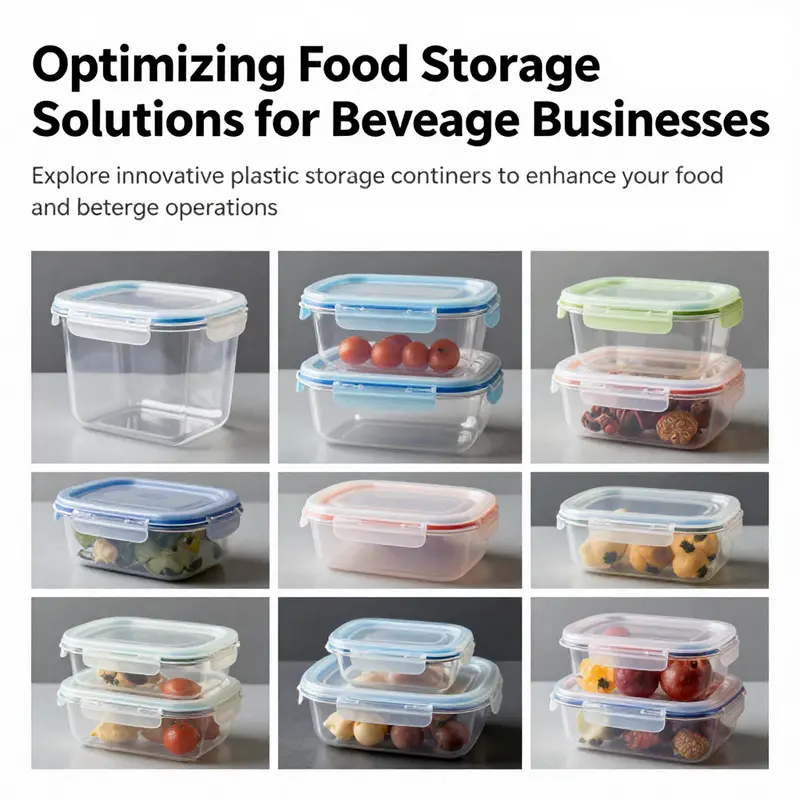
In the vibrant world of food and beverage service, efficient storage solutions are paramount to maintaining quality and ensuring operational success. Bubble tea shops, restaurants, food trucks, and catering services all benefit significantly from effective food storage containers that not only preserve freshness but also enhance visual appeal and convenience. This article dives into various types of plastic food storage containers, exploring their functionalities, designs, and applications. From the 6-liter transparent containers ideal for bulk storage to customizable multi-compartment boxes that cater to diverse meal compositions, we examine how each solution fits seamlessly into your culinary needs. Each chapter illustrates the strategic advantages these containers provide, ensuring you can serve your customers with the best products available while optimizing back-of-house efficiency.
Clear Capacity, Clear Insight: Performance and Market Forces Shaping the 6-Liter Plastic Food Storage Container
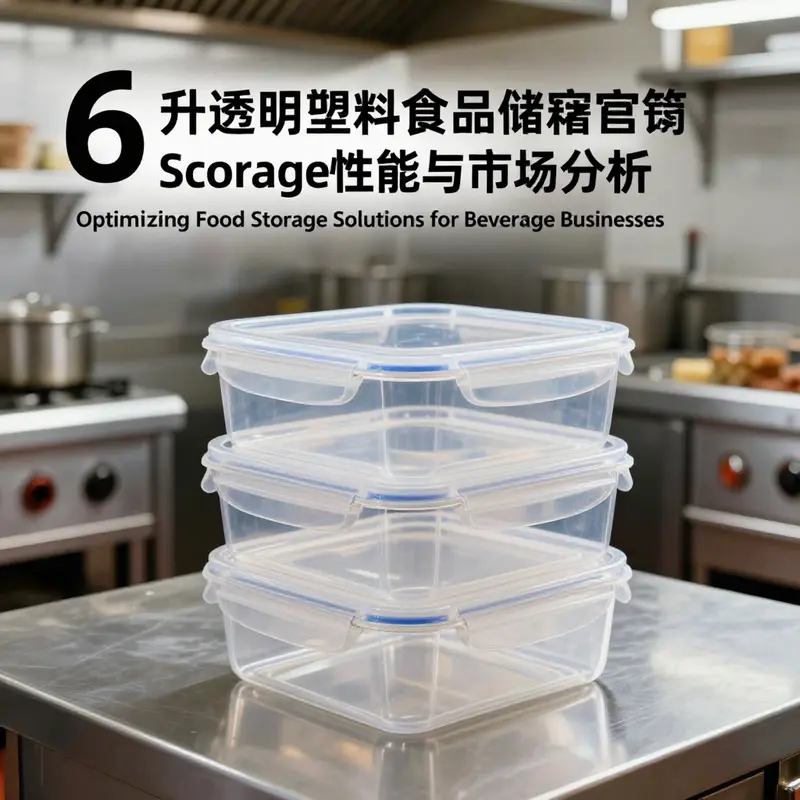
The modern kitchen is a workspace of efficiency, where volume, visibility, and reliability converge to turn raw ingredients into finished meals with minimal waste. In this landscape, the 6-liter transparent plastic food storage container has emerged as more than a simple vessel; it is a strategic tool that speaks to how material science, ergonomic design, and market demand intersect. A container of this size and clarity addresses a set of practical concerns common to households, foodservice operations, and retail environments: how to maximize space without sacrificing accessibility, how to preserve freshness without compromising safety, and how to present contents in a way that is both intuitive and brand-friendly. The appeal lies not just in the capacity, but in the combination of transparency, durability, and versatility that such a container can offer across diverse workflows and cultural expectations. When a kitchen team places a 6-liter clear tub on a line, it signals a commitment to organization, speed, and accountability that can ripple through every stage of a service or storage cycle.
Material choices stand at the core of this performance equation. Containers in this class commonly employ sturdy thermoplastic resins that balance toughness with clarity, allowing staff and managers to identify contents at a glance without breaking the visual flow of the workspace. The choice of resin has implications for temperature resilience, chemical compatibility, and long-term hygiene. A robust 6-liter model is typically rated for a wide temperature span, enabling cold storage for perishables and compatibility with hot or warm contents without compromising the integrity of the container. In practice, this means a single vessel can transition from refrigerator to prep table to a light reheating environment, streamlining workflows and reducing the need for multiple specialized containers. The absence of bisphenol A, or a BPA-free formulation, is increasingly highlighted as a core safety feature in contemporary design. For families and professionals alike, BPA-free status offers reassurance that prolonged contact with foods through repeated use will not introduce unwanted chemical migration, an increasingly salient factor as consumers scrutinize cookware and storage options through the lens of wellness and sustainability.
From a design perspective, the transparent character of these containers is not merely aesthetic. Visibility translates into tangible workflow gains. When a chef or a home cook can see a container’s contents without lifting the lid, decision-making becomes quicker and more precise. This benefit compounds when production lines or service counters require rapid rotation of stock or quick batch retrieval. A clear container also affords easier detection of moisture or residue buildup, which is crucial for maintaining hygiene standards and reducing cross-contamination risks. The lid and seal system deserve equal attention because airtightness directly affects shelf life and odor control. A robust seal—often achieved through a tightly fitting cap and a resilient gasket—prevents leaks and shields contents from ambient odors, which is especially valuable in busy kitchens or open-shelf displays. Several design approaches exist within the broader category of 6-liter storage solutions. Some containers emphasize a round, barrel-like form that maximizes interior capacity and fosters efficient stacking. Others adopt a more squat, square footprint that tames vertical space in cluttered pantries and airline-style catering setups. In either case, the aim is to harmonize structural integrity with nestable, space-saving behavior so that a fleet of containers can be stored compactly when not in use, yet deployed quickly when needed.
Durability is another nontrivial part of the performance story. In both domestic and commercial settings, containers are subjected to frequent handling, washing, and exposure to various foods and cleaning agents. A well-made 6-liter container resists cracking, yellowing, and staining, maintaining its transparency and ease of cleaning over time. The choice of resin also influences chemical resistance, with common options designed to withstand exposure to oils, acids, and alkaline solutions that might accompany everyday cooking or food preparation. Dishwasher safety, either in consumer-grade machines or higher-throughput commercial washers, is a practical expectation that guides material selection and surface treatment. Smooth, non-porous surfaces contribute to easier wipe-downs and lower maintenance costs, supporting a longer useful life while reducing labor hours spent on sanitation. When maintenance is straightforward, a business or family is more likely to reuse containers rather than dispose of them, aligning with growing sustainability priorities and total-cost-of-ownership considerations.
These containers operate within a supply chain that blends standardization with flexibility. The 6-liter format is widely adopted because its capacity maps onto common storage metrics while remaining manageable for transport and handling. Buyers frequently consider not only the unit price but the minimum order quantity, delivery times, and availability of customization options. The ability to imprint branding, apply labels, or tailor the packaging to fit a retailer’s display needs adds a downstream value that extends beyond the container’s functional role. Customization can cover a range of touches—from a branded lid to a specific color or texture for the grip—to support product differentiation in crowded marketplaces. This capacity for customization aligns with broader market trends where producers and retailers seek to reinforce identity through packaging while maintaining consistency with safety and usability standards. Consumers, in turn, increasingly expect clarity not just in the contents, but in the packaging’s safety certifications and recyclability credentials. Materials that are widely recyclable and free from problematic additives can ease end-of-life disposal, addressing a growing dimension of the sustainability conversation that shapes procurement decisions for both households and institutions.
Market dynamics around 6-liter clear storage solutions reflect a convergence of professional-grade durability and consumer-friendly design. In foodservice contexts, these containers are valued for bulk storage of staples such as grains, pulses, or sauces, where a large, transparent vessel accelerates stock checks and portioning. In hospitality and catering operations, the ability to seal contents securely minimizes cross-contact between different menu offerings, supports compliance with sanitation protocols, and reduces waste caused by spillage. In retail and e-commerce environments, the same container can serve as packaging or as a take-home storage option, offering a practical way for customers to reclaim space in domestic kitchens after purchasing dry goods or prepared foods. The economics of procurement also come into play. Sourcing considerations include the price-per-unit at different MOQ levels, the feasibility of mixed containers to accommodate varied shelf spaces, and the logistics of transporting large volumes with favorable packaging. Suppliers often balance economies of scale with the agility to support brand owners and distributors who demand quick iterations of product design and rapid rollout. In this ecosystem, the offer of samples becomes a key catalyst for evaluating performance before committing to large-scale orders, a step that supports risk management and confidence in the final product.
Consumer expectations have evolved alongside technological and environmental considerations. The contemporary shopper looks beyond a container’s basic function to its health implications, its potential for reuse, and its role in minimizing waste. BPA-free labeling, confirmed thermal tolerance, and resistance to staining or odor absorption become selling points that influence purchase decisions. Ease of cleaning, compatibility with common kitchen appliances, and stable stacking behavior all contribute to a container’s perceived value. The visible inventory on a shelf or in a pantry correlates with how efficiently a household or operation can manage food storage, portion control, and rotations, reinforcing a broader cultural preference for orderly, predictable systems. In response to these expectations, manufacturers emphasize not only the raw performance metrics but also the life-cycle story—the materials’ origin, the container’s durability, and the ease with which it can be recycled or repurposed at the end of its useful life. As sustainability narratives gain prominence, the industry is increasingly inclined toward materials and processes that reduce environmental impact while maintaining the reliability essential to daily use.
The chapter’s performance and market analysis points toward a future where the 6-liter transparent container remains a workhorse of kitchens and storage rooms, but where incremental innovations elevate its role. We may see enhancements such as more precise measurement cues molded into the body, smarter lids with integrated vents, or clearer indicators of fill levels that reduce guesswork during bulk handling. Advances in surface chemistry could yield coatings that resist staining and make cleaning even more effortless, while evolving recyclability standards will shape how plastics of this size are processed at end of life. In all, the trajectory points to a container that is not just a simple receptacle but a modular component of a smarter, more efficient, and more transparent approach to food storage. The result is a product category that continues to balance practicality with innovation, responding to the day-to-day needs of kitchens and the longer-term imperatives of sustainable consumption.
To illustrate the practical dimension of this class without naming specific branded models, consider a representative example of this category: a transparent container designed to store a range of dry or semi-dry ingredients, with a secure seal and a clear view of contents from a distance. A linked reference to a typical offering in this space helps readers visualize how the concepts described here translate into real-world products. See PET-Plastic-Food-Storage-Container-Transparent_1600913544787.html for a concrete example of the PET-based approach discussed above. While the materials and details vary by manufacturer, the core principles—clarity, durability, safe materials, and practical design—remain consistent across this category.
In sum, the 6-liter transparent plastic food storage container embodies a pragmatic fusion of material science, ergonomic design, and market adaptability. Its performance hinges on a careful alignment of resin properties, sealing technology, and structural form that honors both the daily rhythms of kitchens and the strategic aims of food businesses. The market rewards containers that offer clear content visualization, robust temperature tolerance, and a durable, easy-to-clean surface, all while supporting sustainable use through recyclability and low environmental footprint. As consumer awareness and retail sophistication continue to rise, the container’s role will likely broaden further, integrating with broader packaging ecosystems that prioritize safety, efficiency, and responsible stewardship across the food supply chain.
External reference for technical context: https://www.cambro.com/products/6qt-transparent-food-storage-container
null
null
Redefining Freshness: How PrepNaturals Reusable Plastic Food Storage Containers Align Safety, Convenience, and Sustainability
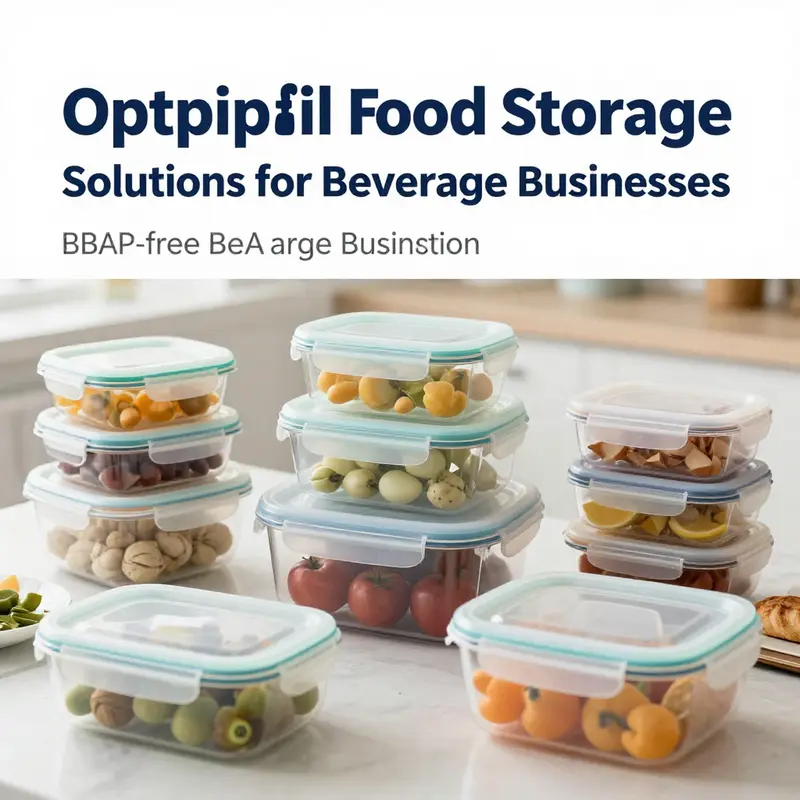
In kitchens where speed and cleanliness matter, the shift from disposable to reusable is not just a trend but a discipline. The modern household and the small-scale food operation share a common pressure: to keep meals fresh, safe, and appetizing while minimizing waste and clutter. Against this backdrop, the PrepNaturals line emerges as a representative example of how plastic storage can balance practical needs with health and environmental considerations. It is not merely a container to hold leftovers; it is a carefully engineered tool designed to sustain food quality from refrigerator to table. The appeal rests on a simple premise with broad implications: a reusable, food grade plastic container that does not compromise safety for convenience, and that can support the rhythms of busy lives without becoming a logistical headache. This philosophy speaks directly to the core of plastic storage, where materials science, user habits, and sustainability goals converge in everyday choices.
The foundation of PrepNaturals containers is safety, and that foundation is explicit. These reservoirs are described as BPA free, PVC free, and free from phthalates, a triad of concerns that have influenced consumer trust for years. In practice, this means the plastic is selected and processed to minimize the risk that dangerous substances migrate into food during frequent reuse and repeated heating or chilling. The emphasis on food grade materials is not a marketing flourish; it reflects a growing demand from families, health-conscious individuals, and even shopfront kitchen operators who need reliable performance without compromising long-term health. When a container promises safe contact with a wide range of foods—from vegetables to sauces to cooked proteins—the value extends beyond a single meal. It becomes a habit. It becomes a mindset. The result is not only safer meals but also greater confidence when taking meals to work, school, or a gym, where the container itself travels across multiple environments and temperatures.
The promise of safety extends into the practical realities of daily use. PrepNaturals containers are designed to be reusable, a quality that resonates with people who want to minimize waste and avoid the constant cycle of buying and discarding. Reusability is more than durability; it is about how a product behaves through repeated cycles of storage, reheating, and cleaning. The materials chosen for these containers are chosen to withstand those cycles without breaking down or imparting off flavors or odors. This reliability is crucial for families who meal prep once or twice a week and want the same containers to serve hot meals, cold snacks, and everything in between. The capacity to resist stains and lingering smells is among the subtle features that users notice after several rounds of use. In the broader sense, a reusable approach reduces the total amount of single-use plastics that might otherwise accumulate in landfills or complicate recycling streams. It is a practical commitment with far-reaching benefits that extend from the kitchen to the planet, a narrative that grows more persuasive as more households adopt it.
Versatility is another cornerstone of PrepNaturals design. The core idea is that a single container can support multiple cooking and dining workflows, from batch cooking to on-the-go meals. The ability to switch between preparing, storing, and reheating without changing containers streamlines routines that would otherwise hinge on different vessels for different tasks. The design philosophy preserves the integrity of meals during storage by providing dependable seals and tight lids, which help prevent leaks, spills, and cross-contamination of flavors. While specific product pages emphasize the stability of the lid interface, the underlying principle is universal: an effective seal reduces the risk of spills in bags, backpacks, or briefcases and minimizes odor transfer within a refrigerator or a cooler. In a world where meals travel with people across spaces and time, the container becomes a backstage partner that keeps food in balance, preserving texture and taste even after hours in the fridge or minutes in a hot carry bag.
Beyond safety and versatility, space efficiency is a defining advantage of the PrepNaturals approach. Reusable containers must not clog the kitchen, and they must fit into the daily rhythm rather than demand strategic planning to accommodate them. A practical hallmark of this category is the way containers nest or stack, enabling tight packing in cabinets and drawers. The 60-piece packaging format, commonly used for household and small-scale use, illustrates how manufacturers can offer breadth and value without overwhelming the user with excessive choices or bulky packaging. For households managing limited fridge real estate, a compact, stackable system translates into clearer organization and easier access. For small cafes, meal prep services, or campus dining operations, bulk packaging supports bulk purchases while still delivering a user-friendly experience. In short, space efficiency is not just about footprint; it reflects how a product integrates with routines, menus, and schedules, turning storage into a streamlined, predictable part of cooking rather than a source of clutter.
The environmental dimension of prep and storage is not a sideline but a central part of the value proposition. Reusable plastic storage containers contribute to a broader strategy of reducing disposable packaging usage. Each meal prep box kept in circulation instead of discarded contributes to lower waste streams and a smaller environmental footprint. PrepNaturals, with their emphasis on safety and durability, positions itself as a practical counterbalance to the disposable culture that underpins much of takeout and leftovers today. The lifecycle of a reusable container—its purchase, use, and eventual recycling at end of life—reflects a conscious commitment to responsible consumption. While no material ecosystem is entirely free of impact, choosing containers designed for long service life and easy maintenance helps minimize the overall environmental cost per meal. This is especially relevant in households that prepare multiple meals weekly or in small eateries seeking to reduce packaging waste while maintaining quality and consistency.
Another layer to consider is the real-world workflow of meal prep and daily dining. People who cook in advance appreciate containers that can handle the entire journey—from refrigerating prepared meals to reheating them, and perhaps even serving directly from the same vessel. PrepNaturals addresses this continuum by offering a design that supports versatile handling, with lids that are reliable and simple to operate. The ease of use is not merely about opening and closing; it also encompasses how well the container stacks, how easily contents can be identified, and how straightforward it is to clean after use. The value here extends to caregivers managing family meals, students coordinating study schedules, and professionals balancing nutrition with a busy day. When a container helps maintain a balanced plate—the right mix of vegetables, grains, and protein—it becomes part of a holistic approach to healthier eating. The narrative moves beyond a single product and into a kitchen philosophy that supports consistent, intentional choices about what and how we eat.
For readers who want a concrete example of how such a system functions in practice, a quick look at the PrepNaturals Meal Prep Containers page provides context. This reference illustrates how a curated set of reusable containers can align with safety assurances, practical use, and scalable packaging. It is a reminder that the most effective storage solutions emerge when design considerations meet everyday needs and a culture of mindful consumption. In the broader conversation about plastic storage, this kind of product demonstrates how a well-made container can support both personal routines and small-scale food service operations without sacrificing safety or sustainability. It is not the future in abstraction but a tangible example of how materials science, consumer behavior, and environmental responsibility converge in the kitchen. For those exploring the topic, this alignment of form and function offers a useful model for evaluating other storage options and for thinking about how a simple container can influence everyday habits in meaningful ways.
In the broader arc of the article, the PrepNaturals example helps articulate why materials matter when we talk about plastic storage containers. It is not enough to claim that a product is sturdy or convenient; what matters is how those attributes translate into safe food, simplified routines, and a reduced environmental footprint over time. The conversation about plastic storage thus shifts from a catalog of features to an integrated story about how households and small-scale operations can cook, store, and move meals with confidence. As readers move to the next chapter, the thread remains: the best storage solutions are those that keep what’s inside delicious and safe, while also simplifying life and supporting sustainable choices. In this sense, the PrepNaturals approach embodies the balance that many households seek in a world increasingly aware of health, practicality, and environmental stewardship. For further context on food contact materials and safety standards, see the external resource linked here.
External resource: https://www.fda.gov/food/packaging-labeling-safety/food-contact-materials
null
null
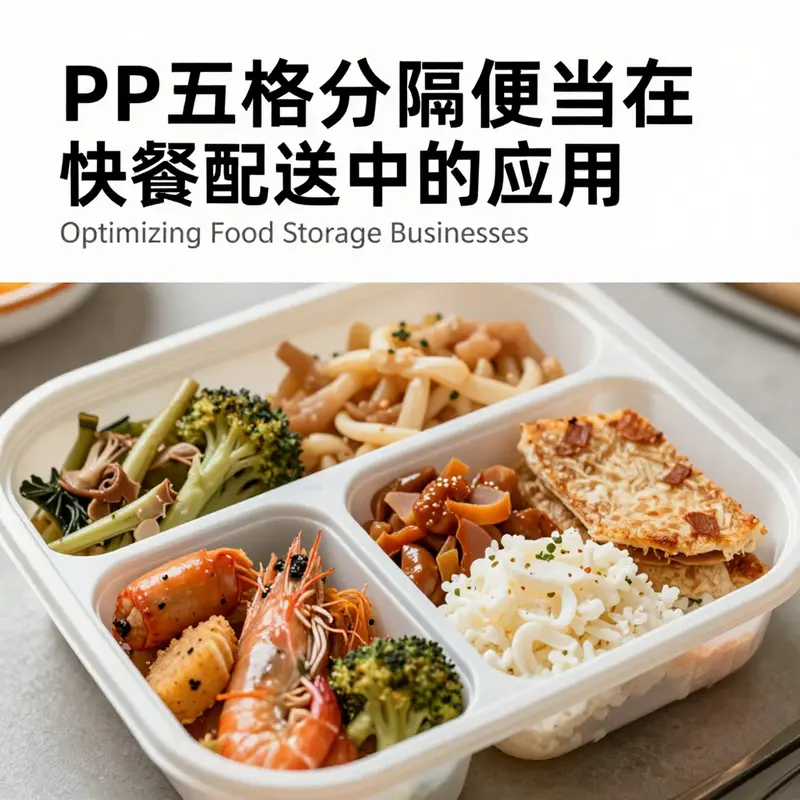
Beyond Compartments: Customization and Production Capacity for Three- and Six-Compartment Plastic Food Storage Boxes
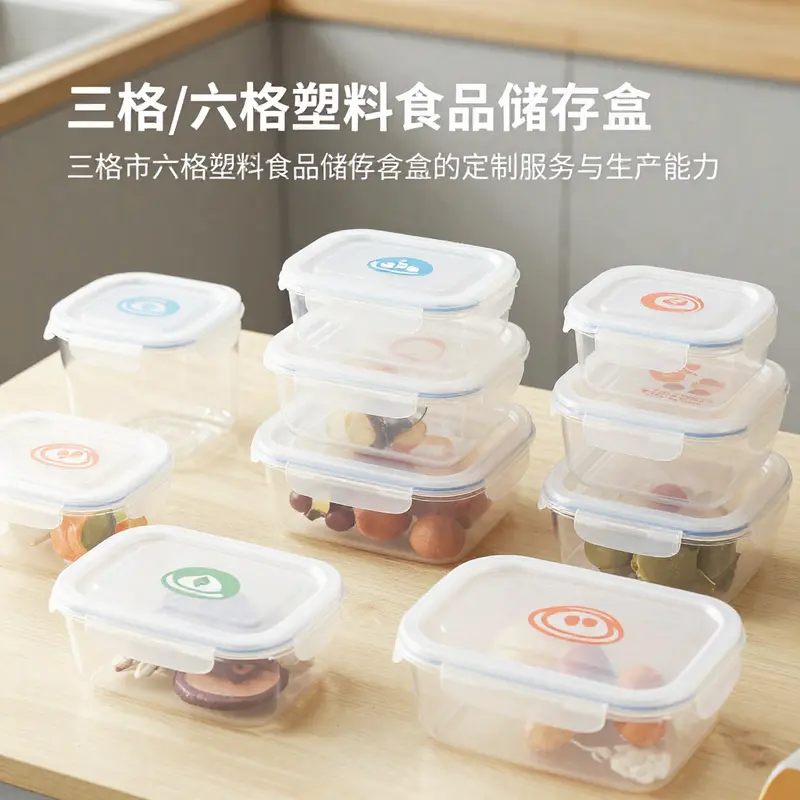
The evolution of three- and six-compartment plastic food storage boxes reveals more than a simple solution for portioning meals. It exposes a sophisticated choreography of design flexibility, material science, and scalable manufacturing that must align with safety standards, functional performance, and brand messaging. In markets ranging from corporate catering and school lunch programs to fast-casual takeout operations, these multi-compartment boxes are not mere containers; they are instruments of efficiency, hygiene, and presentation. When a buyer asks for a three- or six-compartment box, they are not only seeking a partitioned vessel. They are seeking a partner who can translate a set of aesthetic and logistical requirements into a reliable, mass-produced product. That translation depends on deep capabilities in customization and a transparent sense of production capacity, so the design truly scales from a handful of samples to tens of thousands, or even hundreds of thousands, without compromising safety or performance.
Customization in this segment is less about a flashy feature and more about a holistic alignment of form, function, and identity. The core options typically revolve around geometry, materials, and finishing, with each choice carrying implications for performance in heat, leak resistance, stackability, and shelf presentation. The geometry questions are practical: should the divider walls be fixed or modular? How many partitions should the lid accommodate, and what is the footprint for stable stacking on crowded shelves or in delivery bags? A common configuration leverages three or six compartments, with partition walls that can be either fixed to the base or removable, depending on whether the customer wants a versatile single-box solution or a dedicated, mission-critical tool for precise meal planning and portion control. Dimensions in this space are often tuned to fit standard commercial bags, cold chain containers, or chiller shelves, while still maximizing usable volume for each segment of a meal. The design challenge is to preserve separation under pressure while ensuring the entire unit remains light enough for easy handling by busy staff or end users.
Material selection reinforces these design decisions. Polypropylene (PP) remains the workhorse for three- and six-compartment boxes because of its balance of chemical stability, heat resistance, and cost. PP’s ability to withstand brief microwaving, when the lid seals properly, makes it attractive for ready-to-eat meals and meal-prep plans. In higher-end or specialty applications, researchers and designers may explore PET or multilayer composites for clearer visibility or enhanced barrier properties, but every material choice must pass rigorous food-contact safety standards across target markets. Many buyers demand that boxes be BPA-free, inert to common sauces and oils, and compatible with cold storage as well as reheating scenarios. Beyond core safety, the finish matters: glossy or matte surfaces can influence grip, ease of cleaning, and perceived quality, while color choices on lids and walls support branding or category differentiation in a cafeteria line or retail display.
A critical part of customization is branding and packaging integration. Companies seeking to reinforce corporate identity often incorporate logos, color schemes, or decorative patterns on the lids or sides of the base. This can extend to the carton packaging and any retail bags used for takeout, creating a coordinated visual story from shelf to table. The degree of customization here ranges from simple logo printing on the lid to full-scale branding across multiple surfaces, including the interior partitions if a design team wants an unmistakable brand cue visible after opening. The realization of such branding requires collaboration on printing methods—pad printing, screen printing, or digital printing—each with its own tolerances for surface curvature, ink adhesion, and durability through washing, stacking, and repeated use. In the professional kitchen and catering contexts, the ability to print or emboss a brand motif on the lid can transform a routine meal into a branded experience, which in turn can support consumer recall and loyalty.
From a production perspective, capacity is the heartbeat of customization. The capacity to deliver three- and six-compartment boxes at scale depends on the breadth of the supplier’s tooling, extrusion, molding, and assembly lines, as well as their ability to manage complex color runs and fast-changing orders. In practice, manufacturers structure their lines to accommodate both standard catalog shapes and bespoke orders that require new mold sets. Tooling for multi-compartment designs involves creating precise wall thicknesses, seal geometries for secure lids, and interlocking features that ensure stable stacking and secure sealing under varied temperatures and transit conditions. The lead times for custom designs typically begin with a design phase, followed by the creation of a prototype or pilot run, then a sampling cycle for customer approval before full-scale production. This sequence can take weeks, especially if the client requests a unique divider configuration or a non-standard footprint. Once approved, large-scale production can accelerate, with dedicated shifts and process controls designed to keep tolerances within tight ranges across tens of thousands or hundreds of thousands of units.
The scale of capability in this sector often becomes apparent in the numbers. In many facilities, daily outputs rapidly rise from tens of thousands to the hundreds of thousands, driven by the same demand signals that push takeout and meal-prep markets to greater efficiency. Yet capacity is not merely a function of machinery count; it is the product of synchronized workflows. Raw material supply, molding cycles, quality testing, lid-fit verification, and packaging all need to align so that a customer who places a bulk order receives consistent performance across the entire batch. This requires a mature quality assurance regime, with checks at multiple stages: material certification for food-contact safety, dimensional checks for every batch, leak tests on seals, and stain resistance tests for surfaces expected to encounter sauces or oils. In practical terms, this means suppliers invest in controlled environments, standardized procedures, and the ability to trace materials and processes back through batch records to the sourcing of resin, the calibration of molds, and the conditions of storage and transport.
The interplay between customization and capacity also shapes the commercial terms that buyers encounter. Minimum order quantities (MOQs) are typically aligned with the cost of creating new molds and the efficiency gains of running a full-scale line. When a project stays within standard footprints and partitioning schemes, MOQs may be modest enough to enable small- to mid-sized buyers to explore test runs. When a design departs from the norm—introducing three- or six-compartment variants with bespoke lid geometries or colorways—the MOQ often rises, reflecting the higher fixed costs of tooling and the need to amortize that investment over large production runs. In return, buyers gain predictability and cost certainty at scale, plus the advantage of a finished, branded product that can drive differentiation in crowded marketplaces.
For procurement teams and kitchen operators, the decision to pursue customization against production capacity usually starts with a clear specification brief: the exact footprint, the number and arrangement of compartments, the lid type and sealing mechanism, and the desired branding. Next comes material specification, including food-safety compliance, microwave compatibility, and recyclability goals. Then a timeline is laid out: a sample phase to validate fit and finish, a tooling approval interval if new molds are required, and a mass-production window that aligns with project timelines or seasonal launches. Throughout, a trusted supplier will provide transparent milestones, sample lead times, and contingencies for shortages or supply disruptions. The best outcomes emerge from iterative collaboration, where feedback loops between design, engineering, and manufacturing teams translate user needs into a robust, scalable product that holds up under the rigors of busy kitchens and fast-moving consumer channels.
Sustainability considerations increasingly influence customization and production decisions as well. Buyers expect not only durable performance but also recyclability and end-of-life clarity. In practice, this means selecting materials that can be reconciled with local recycling streams and properly communicated to end users. It also means considering packaging efficiency—how cartons are nested, how lids are packaged, and how the entire order allocates packaging volume so that freight and handling costs are minimized without compromising protection. In some cases, suppliers offer accessory options such as resealable lids or insertable dividers made from compatible materials, enabling users to reconfigure compartments for varied meals while preserving seal integrity. The overarching goal is to deliver a product that supports sustainable food service practices and responsible consumption while preserving the reliability expected of a mass-produced item.
The narrative of customization and capacity is not a solitary tale told by manufacturers alone. It is a dialogue with the end users—catering managers, school food service directors, and consumer households—who demand predictable quality, clear branding, and practical performance. The most successful partners listen for nuance: the need for a non-slip grip, a transparent lid that shows contents at a glance, a base that resists staining from common sauces, and a lid system that can endure hundreds of cycles of opening and closing without losing seal integrity. When these attributes are harmonized with scalable production, the result is not just a container but a credible platform for portion control, branding, and operational efficiency.
In closing, the journey from concept to container in the three- and six-compartment space hinges on a balanced orchestra of design freedom and manufacturing discipline. Buyers with a clear specification stand to gain from suppliers who can translate that vision into molds, lines, and documentation that guarantee repeatable performance. The best outcomes emerge where customization is coupled with transparent capacity planning, dependable lead times, and a shared commitment to safety, usability, and sustainability. This is the axis on which modern plastic storage solutions for meals turn from basic utility into reliable, brand-enhancing tools for everyday life, whether in a school lunchroom, a corporate cafeteria, or a home kitchen.
External resource: For broader context on sourcing and manufacturing standards in this domain, readers can consult industry-wide references and supplier networks, such as the platform hosted by a major marketplace that aggregates supplier profiles, certifications, and lead times: https://www.alibaba.com
Final thoughts
Effective food storage solutions are crucial for the success of food and beverage businesses. The various types of plastic containers discussed—ranging from durable, large-capacity options to customizable bento boxes—offer not only practical benefits but also enhance the overall customer experience. By choosing the right food storage options, businesses can maintain food quality, ensure freshness, and showcase their offerings appealingly. Investing in innovative and reliable food storage containers will elevate your operation and delight your customers with every meal served.